


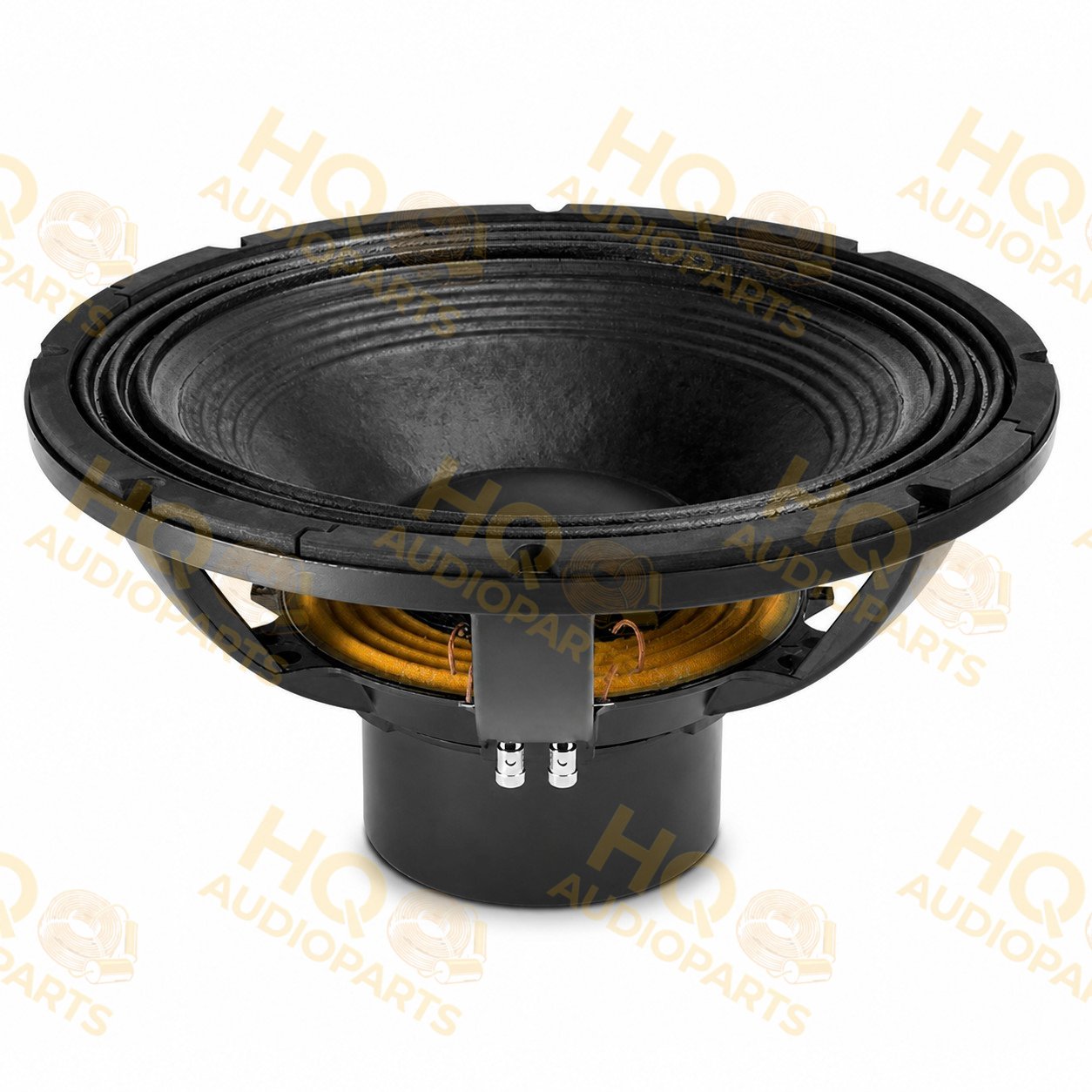
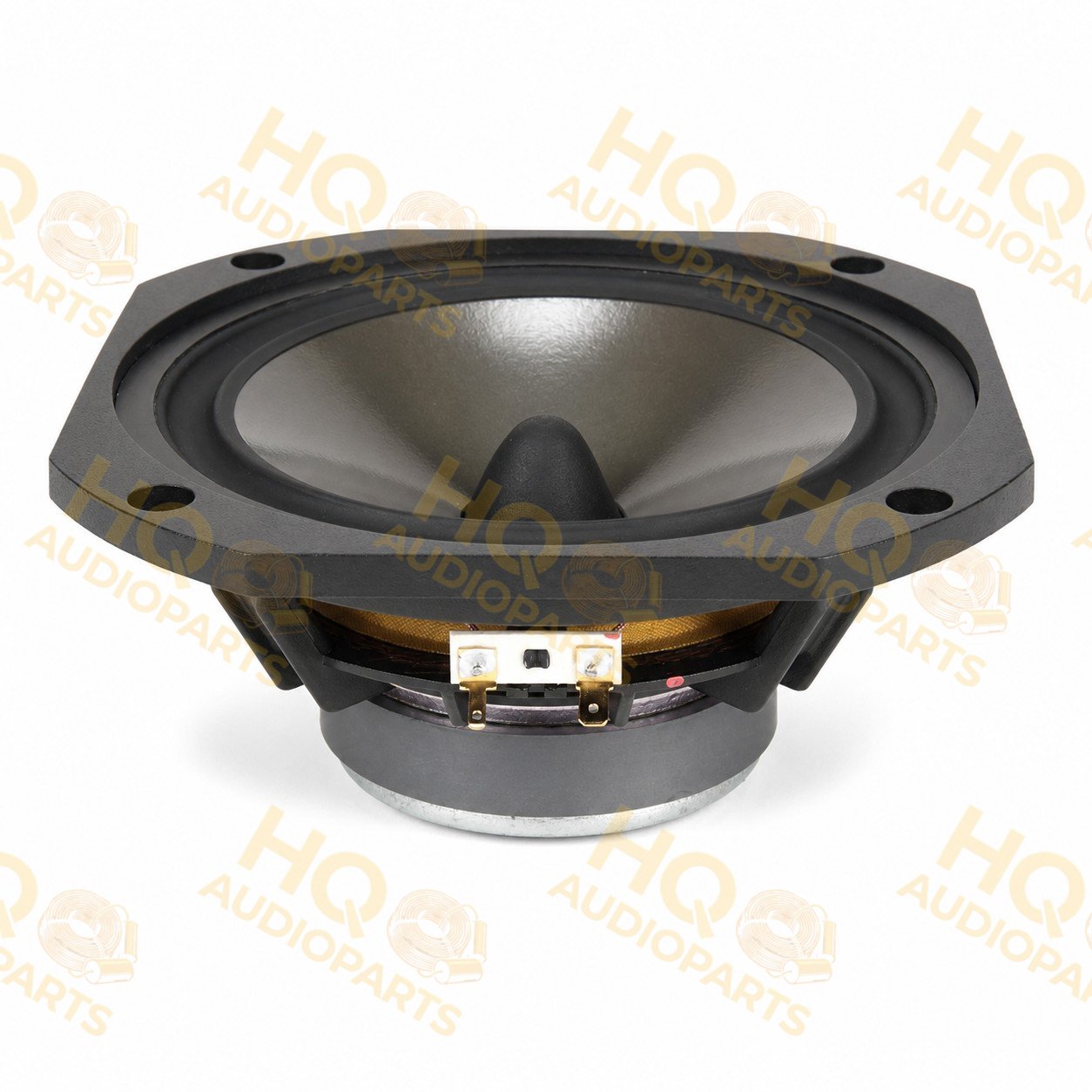
Eighteen Sound 18iD Woofer, 2 Ω, 1800 W
Stock details
| Nominal diameter | |
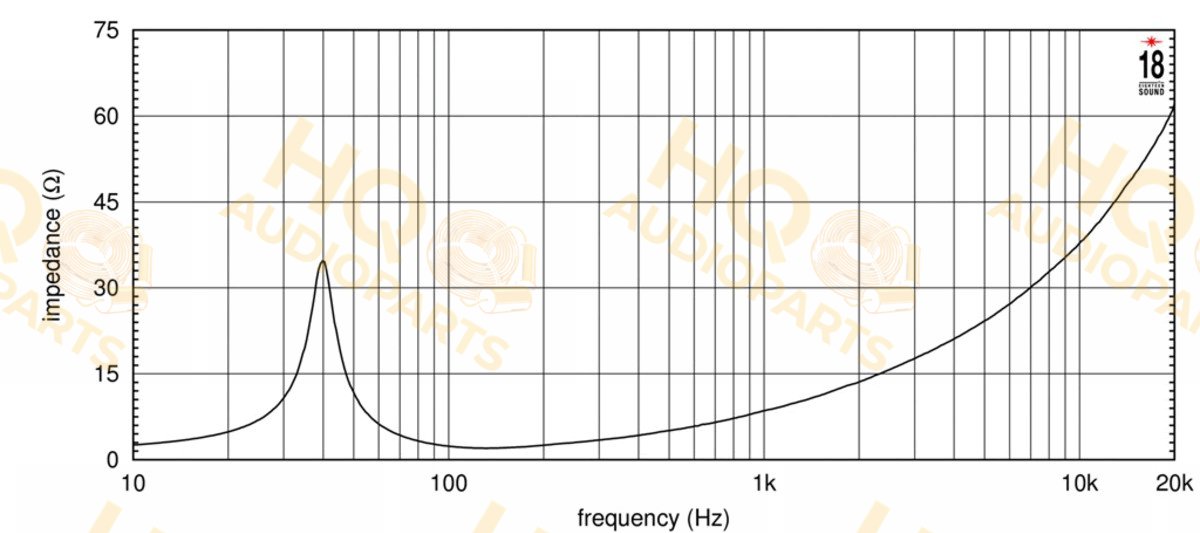
| Impedance | |
| Resonance frequency (Fs) | |
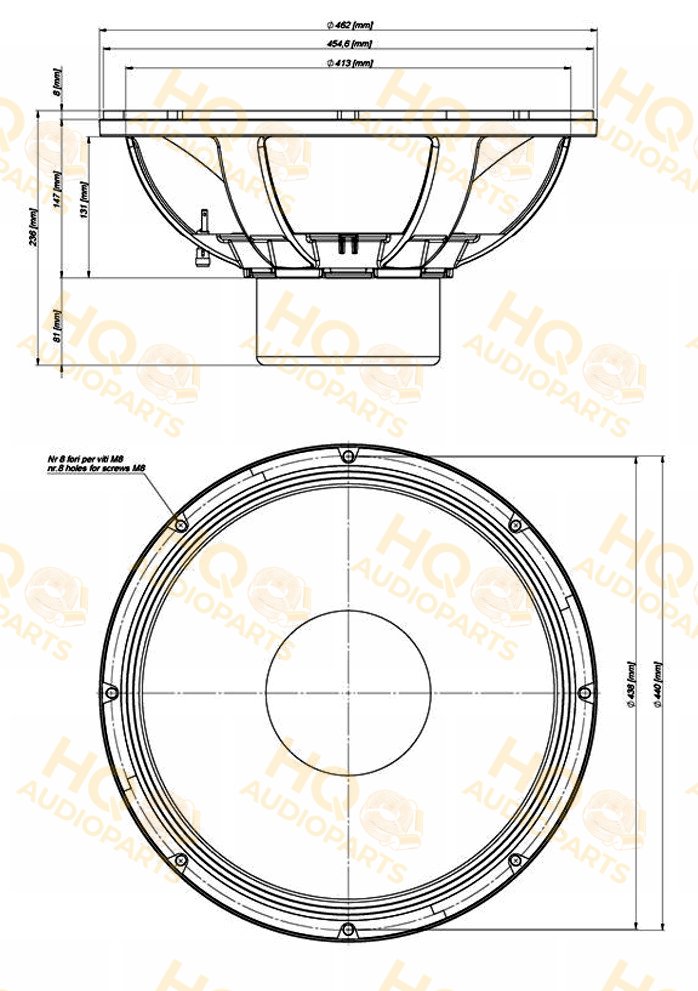
| Mounting depth (from the front panel) | |
| Front plate thickness |
| Sensitivity (SPL at 1 m / 2.83 V) | |
| Maximum linear deflection (Xmax) | |
| Total Q (Qts) | |
| Electromagnetic Q (Qes) | |
| Mechanical Q (Qms) | |
| DC resistance (Re) | |
| Voice coil inductance (L_e) | |
| BL product (BL) | |
| Equivalent volume (Iron) | |
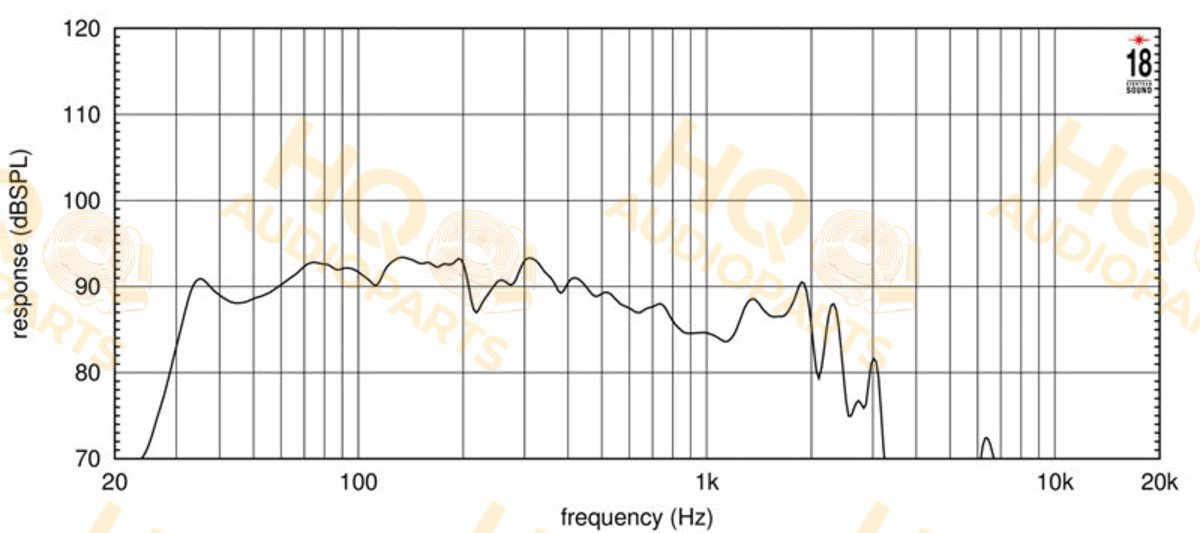
| Frequency transmission | |
| Moving mass with air load (Mms) | |
| Mechanical compliance of the suspension (Cms) | |
| Voice coil diameter | |
| Magnetic material | |
| Outer diameter | |
| Rated power (W) | |
| Cutout diameter | |
| Depth | |
| Maximum output power | |
| Efficiency | |
| Weight |
The Eighteen Sound Loudspeaker 18ID-2 represents a purpose-built model in its category rather than a generic replacement driver. Careful analysis of frequency response, dispersion, and power handling confirms proper system synergy before finalizing your cabinet and crossover layout.
The verified specifications of the Eighteen Sound Loudspeaker 18ID-2 present several interrelated selection criteria. The 95 dB sensitivity indicates the expected sound pressure level under standard test conditions. The 1800 W power rating should be interpreted according to the manufacturer's measurement standards; reliable long-term operation requires considering actual signal load, crossover filtering, and mechanical limits together. The 15.5 mm linear excursion describes the diaphragm's usable displacement range, though bass extension also depends fundamentally on enclosure volume and port tuning. When evaluating alternatives, compare dimensions, terminals, and system integration requirements alongside nominal performance figures.
Before installing the loudspeaker, verify the enclosure volume, tuning frequency, baffle cutout, mounting points, and crossover alignment. Ensure the gasket beneath the basket provides an airtight seal, and tighten mounting screws gradually in a crisscross sequence to avoid basket deformation. In multi-way systems, without checking polarity and acoustic phase, even correct nominal wiring does not guarantee smooth response across the crossover region. Small parameter shifts may occur after break-in, so final measurements and critical listening should be performed following the initial burn-in period. The product page therefore focuses on presenting verified, actionable technical data rather than promotional marketing claims.
No reviews for this product yet.
Bought this product? Sign in to review it quickly!
Sign in to review
Dayton Audio RSS460HO-4 18" Reference HO Subwoofer

FaitalPRO 12HP1060-8P Subwoofer

SB Acoustics SW26DAC76-8 Subwoofer

Jantzen Audio 001-0546 | 2.20 µF | 2% | 800 V | Superior Z-Cap Capacitor

Dayton Audio SPA300-D Subwoofer Plate Amplifier

Dayton Audio BST-1 High Power Pro Tactile Bass Shaker

Jantzen Audio 001-0590 | 22 µF | 2% | 800 V | Superior Z-Cap Capacitor