


Crossover Components
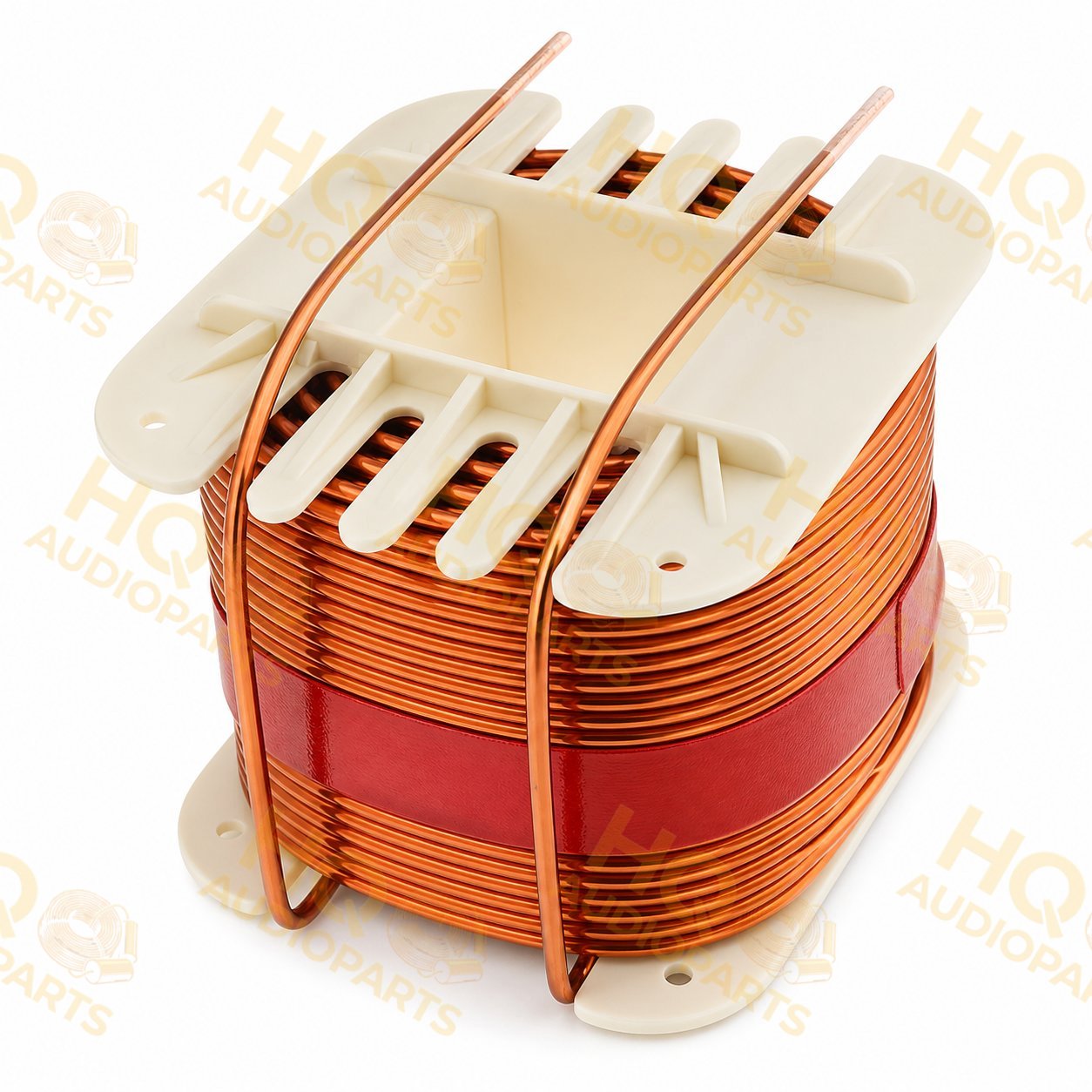
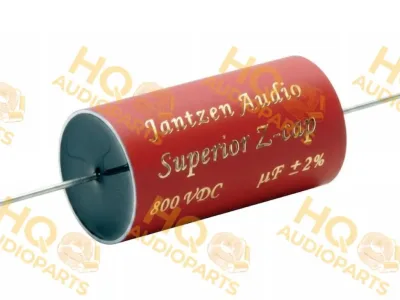
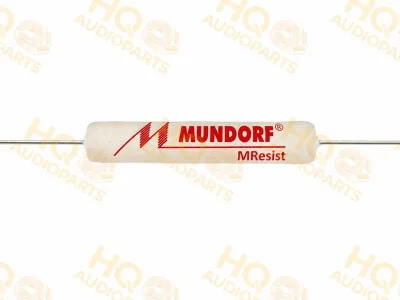
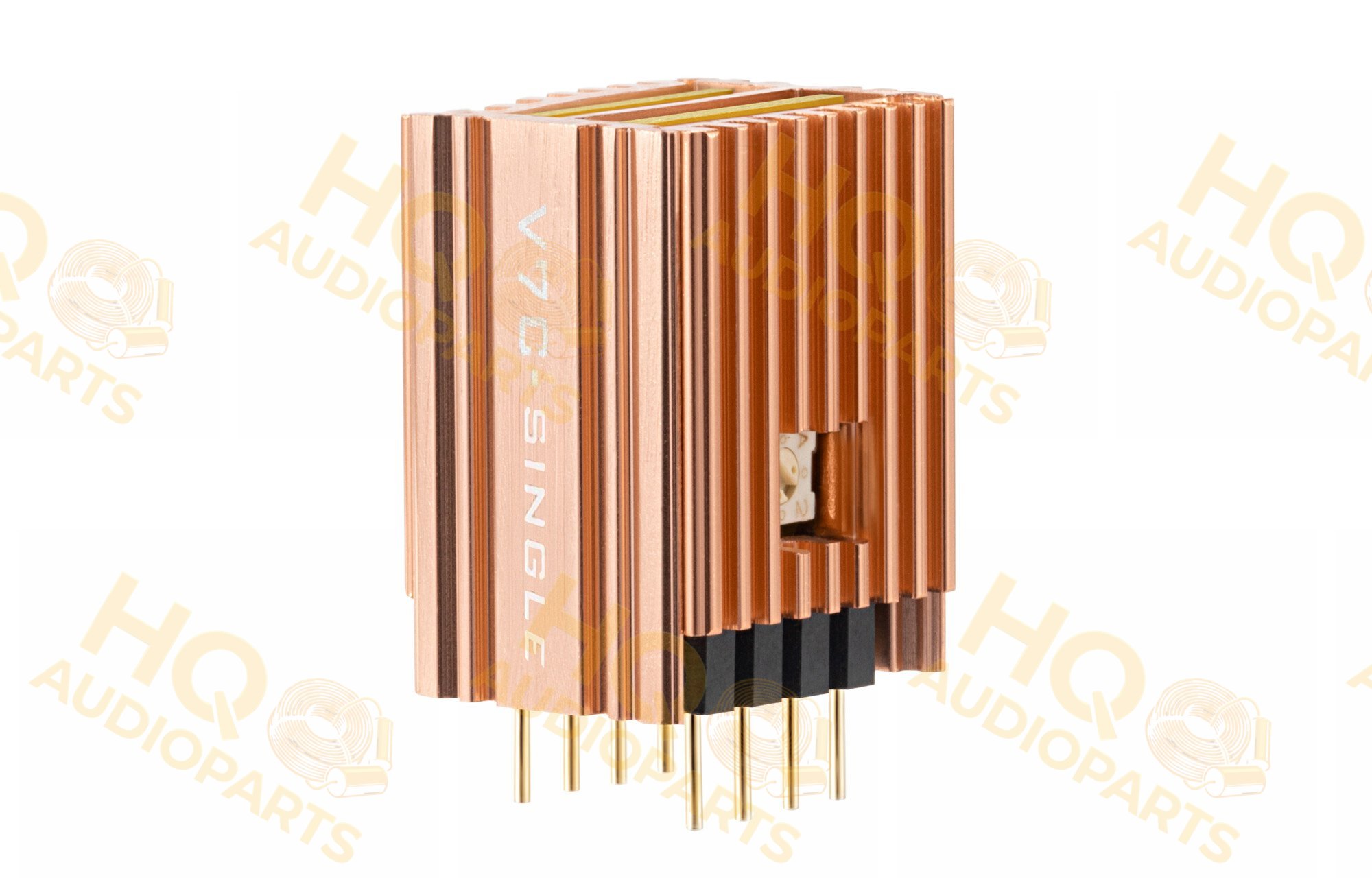

Intertechnik
Iron core coils
Intertechnik I150/8.2/160 | 8.2 mH | 0.29 Ω | 5% | 14 AWG | I-Point Coil
8.2 mH
0.29 Ω
Orderable
Nov 13.

Intertechnik
Air core coils
Intertechnik LU120/5.6/20 | 5.6 mH | 0.47 Ω | 3% | 12 AWG
5.6 mH
0.47 Ω
Orderable
Nov 13.

Intertechnik
Air core coils
Intertechnik TRI/120/3.90/0.60 | 3.9 mH | 0.58 Ω | 1% | 23 AWG
3.9 mH
0.58 Ω
Orderable
Nov 13.

Intertechnik
Iron core coils
Intertechnik I150/10/160 | 10 mH | 0.32 Ω | 5% | 14 AWG | I-Point Coil
10 mH
0.32 Ω
Orderable
Nov 13.

Intertechnik
Air core coils
Intertechnik TRI120/2.00/0.80 | 2.0 mH | 0.29 Ω | 1% | 20 AWG
2 mH
0.29 Ω
Orderable
Nov 13.

Intertechnik
Iron core coils
Intertechnik I150/12/160 | 12 mH | 0.36 Ω | 5% | 14 AWG | I-Point Coil
12 mH
0.36 Ω
Orderable
Nov 13.

Intertechnik
Iron core coils
Intertechnik I150/15/150 | 15 mH | 0.44 Ω | 5% | 15 AWG | I-Point Coil
15 mH
0.44 Ω
Orderable
Nov 13.

Intertechnik
Iron core coils
Intertechnik Bell-Core Coil – 39 mH | HQG52 | 0.50 mm Copper | ±5.0%
39 mH
0.1 nH
Orderable
Nov 13.

Intertechnik
Iron core coils
Intertechnik I150/18/150 | 18 mH | 0.50 Ω | 5% | 15 AWG | I-Point Coil
18 mH
0.5 Ω
Orderable
Nov 13.

Intertechnik
Air core coils
Intertechnik E150/150/300 | 1.5 mH | 0.14 Ω | 3% | 9 AWG | Choke Coil
1.5 mH
0.14 Ω
Orderable
Nov 13.

Intertechnik
Transformer coils
Intertechnik FE96/3.0/180 | 3.0 mH | 0.14 Ω | 5% | 13 AWG | Transformer Core Coil
3 mH
0.14 Ω
Orderable
Nov 13.

Intertechnik
Air core coils
Intertechnik LU120/6.8/20 | 6.8 mH | 0.53 Ω | 3% | 12 AWG
6.8 mH
0.53 Ω
Orderable
Nov 13.

Intertechnik
Iron core coils
Intertechnik I150/22/150 | 22 mH | 0.56 Ω | 5% | 15 AWG | I-Point Coil
22 mH
0.56 Ω
Orderable
Nov 13.

Intertechnik
Air core coils
Intertechnik TRI/120/5.60/0.60 | 5.6 mH | 0.71 Ω | 1% | 23 AWG
5.6 mH
0.71 Ω
Orderable
Nov 13.

Intertechnik
Air core coils
Intertechnik E150/180/300 | 1.8 mH | 0.15 Ω | 3% | 9 AWG | Choke Coil
1.8 mH
0.15 Ω
Orderable
Nov 13.

Intertechnik
Air core coils
Intertechnik LU120/8.2/20 | 8.2 mH | 0.62 Ω | 3% | 12 AWG
8.2 mH
0.62 Ω
Orderable
Nov 13.

Intertechnik
Air core coils
Intertechnik Tritec Hexagonal Air-Core Coil – 3.30 mH | TRI120 | ±5.0%
3.3 mH
Orderable
Nov 13.

Intertechnik
Air core coils
Intertechnik E150/220/300 | 2.2 mH | 0.16 Ω | 3% | 9 AWG | Choke Coil
2.2 mH
0.16 Ω
Orderable
Nov 13.

Intertechnik
Air core coils
Intertechnik TRI120/3.00/0.80 | 3.0 mH | 0.35 Ω | 1% | 20 AWG
3 mH
0.35 Ω
Orderable
Nov 13.

Intertechnik
Transformer coils
Intertechnik Transformer Coil – 15 mH | FE130 | DCR 0.28 Ω | Cu 1.60 mm | ±5.0%
15 mH
0.28 Ω
Orderable
Nov 13.

Intertechnik
Air core coils
Intertechnik TRI/120/6.80/0.60 | 6.8 mH | 0.79 Ω | 1% | 23 AWG
6.8 mH
0.79 Ω
Orderable
Nov 13.

Intertechnik
Air core coils
Intertechnik E170/270/300 | 2.7 mH | 0.18 Ω | 3% | 9 AWG | Choke Coil
2.7 mH
0.18 Ω
Orderable
Nov 13.

Intertechnik
Transformer coils
Intertechnik FE130/3.0/30 | 3.0 mH | 0.06 Ω | 5% | 9 AWG | Transformer Core Coil
3 mH
0.06 Ω
Orderable
Nov 13.

Intertechnik
Air core coils
Intertechnik E170/300/300 | 3.0 mH | 0.19 Ω | 3% | 9 AWG | Choke Coil
3 mH
0.19 Ω
Orderable
Nov 13.
Read more: Crossover Components
A passive crossover decides which driver gets which part of the spectrum, and where and how steeply the bands hand over to each other. At least half of a well-designed speaker's sound is shaped here, not in the drivers themselves.
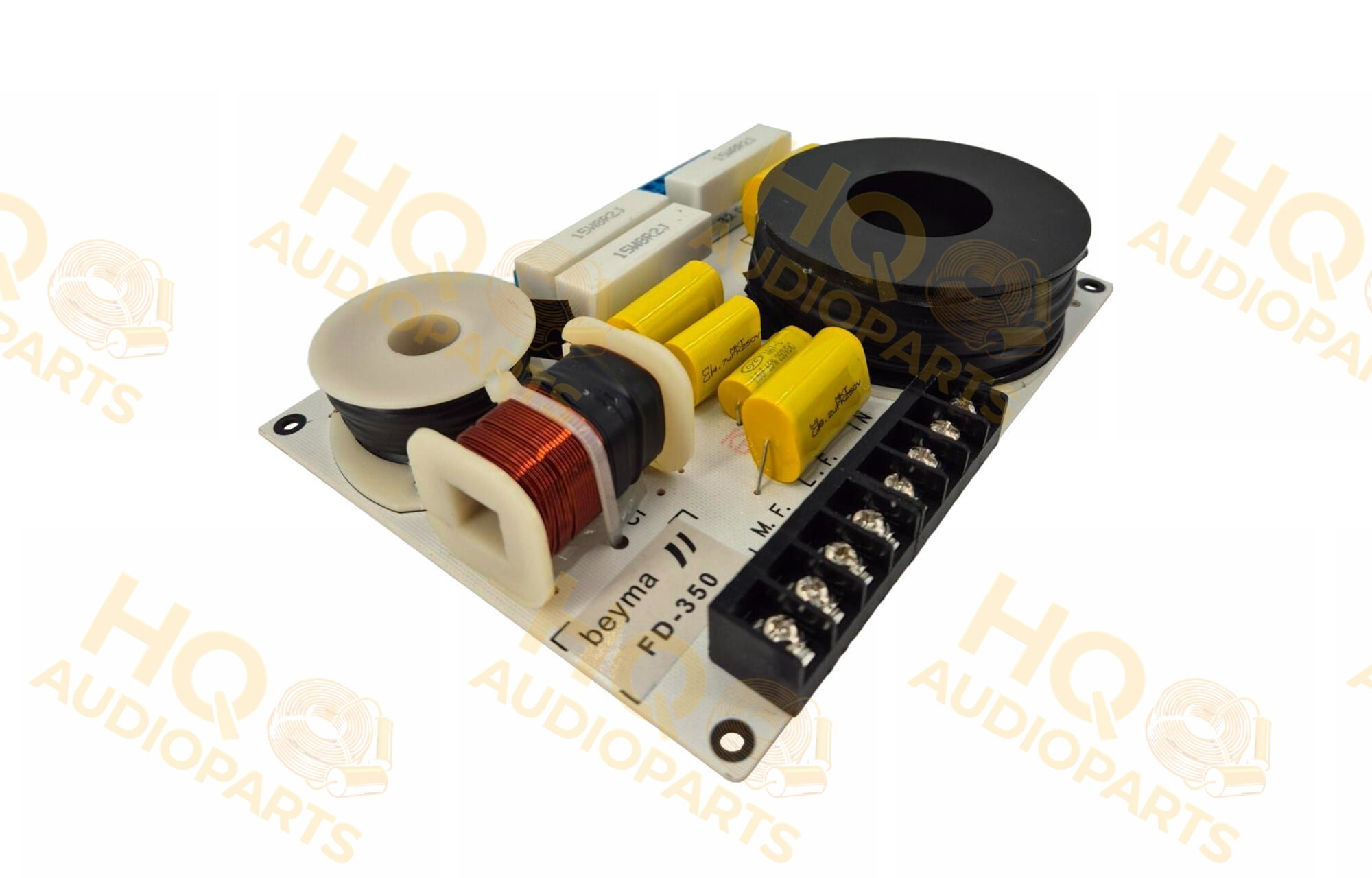
This section holds everything a crossover is built from: inductors, capacitors, resistors, circuit boards, driver protectors and ready-assembled networks. When refurbishing, start with aged electrolytic capacitors; for a new design, start by measuring the values precisely.