


Crossover Components
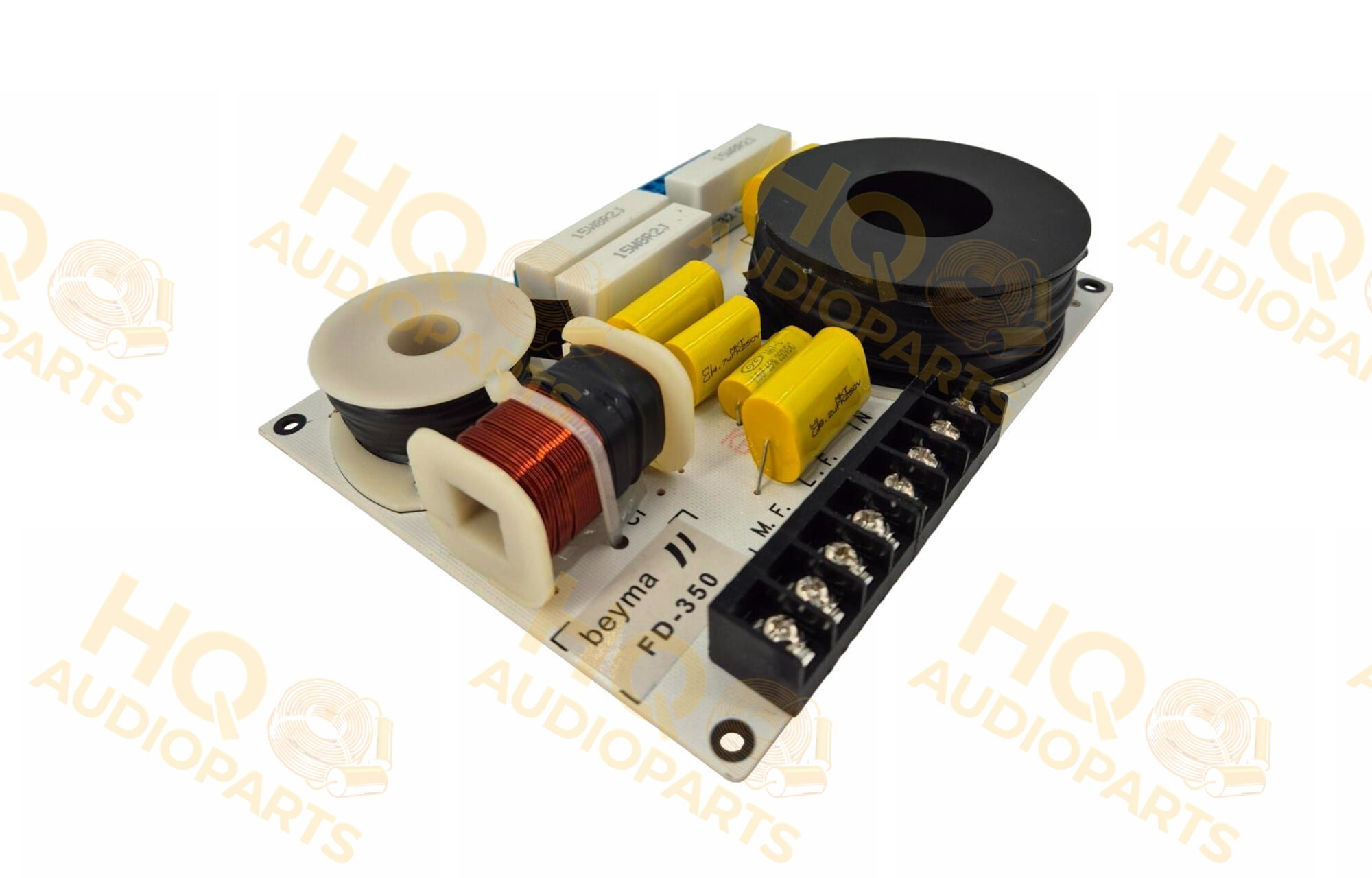
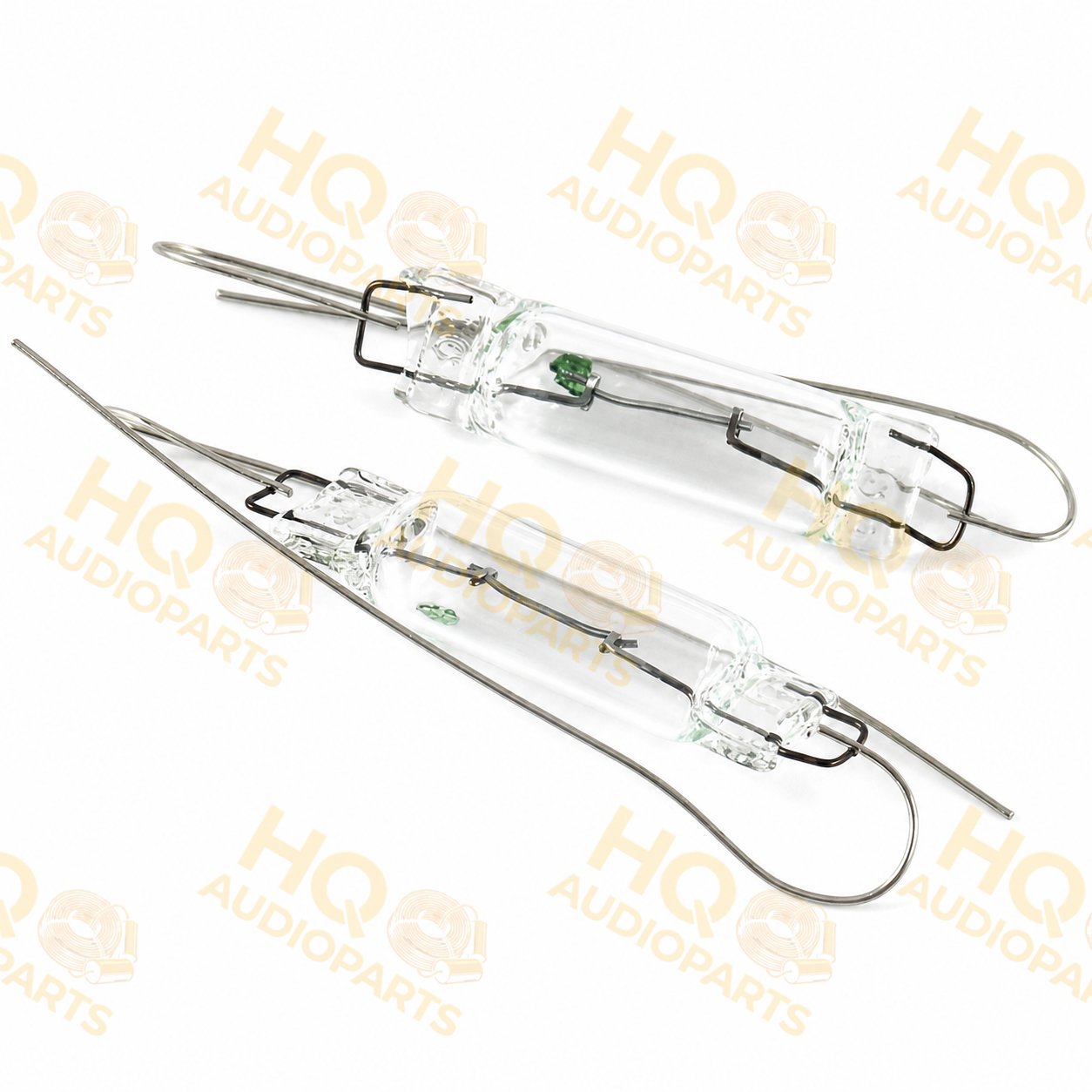

Jantzen Audio
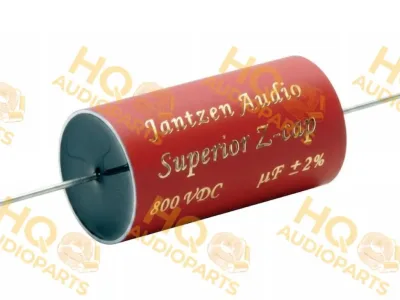
Foil capacitors
Jantzen Audio 001-7306 | 0.10 µF | 5% | 630 V | Amber Z-Cap C&B Capacitor
0.1 µF
±5%
Orderable
Dec 15.
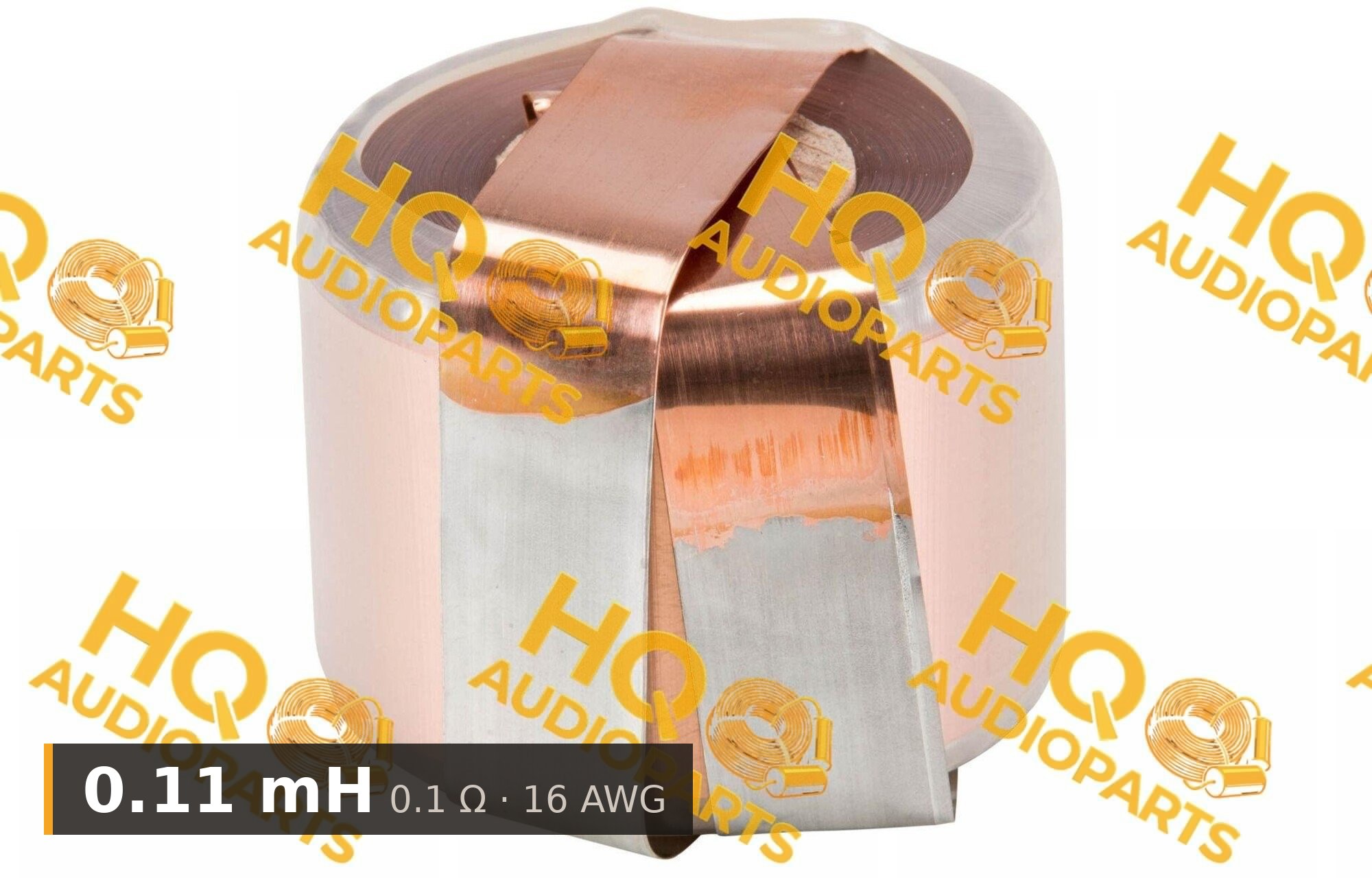
Jantzen Audio
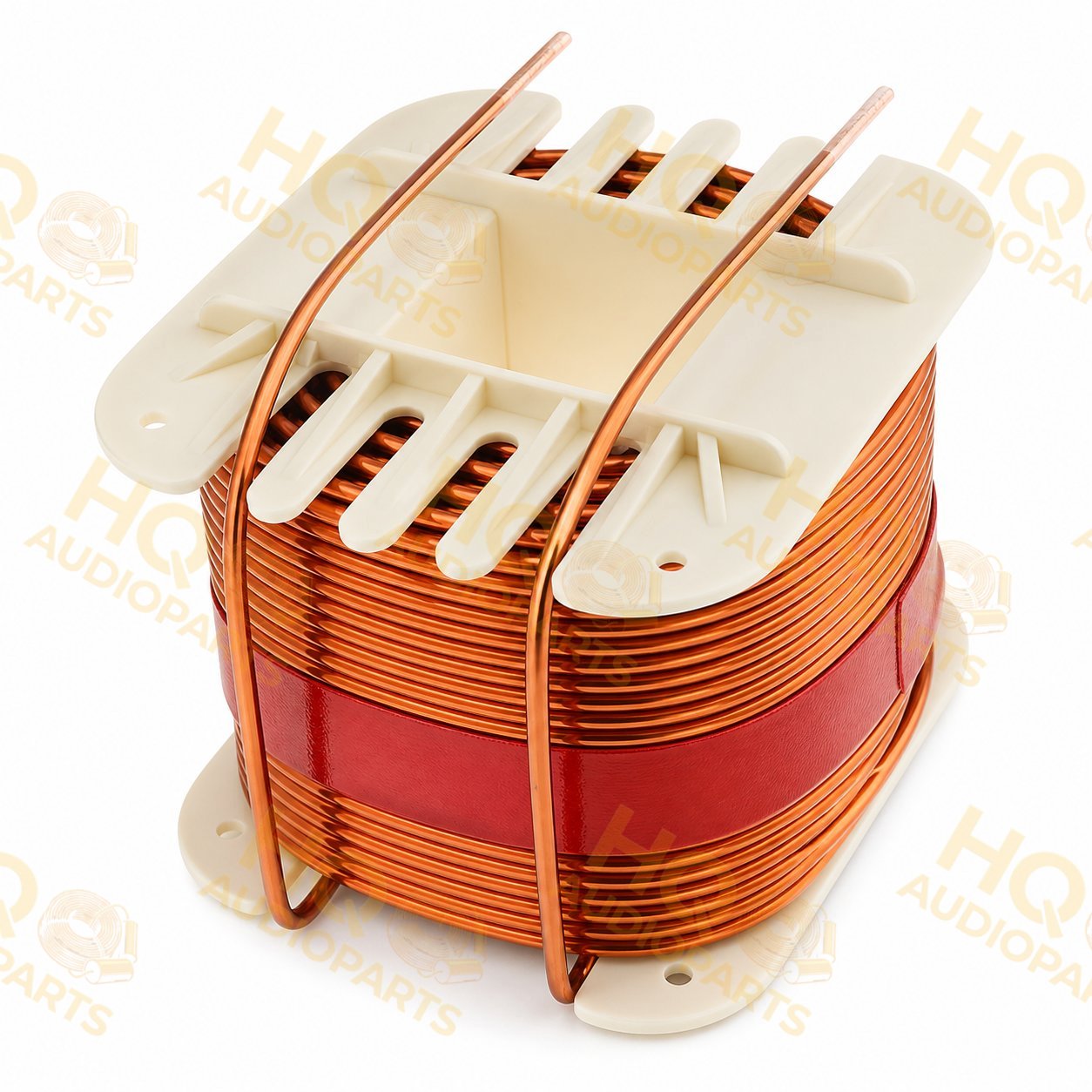
Copper foil coils
Jantzen Audio 000-7621 | 0.11 mH | 0.1 Ω | 2% | 16 AWG | Cross Coil
0.11 mH
0.1 Ω
Orderable
Dec 15.
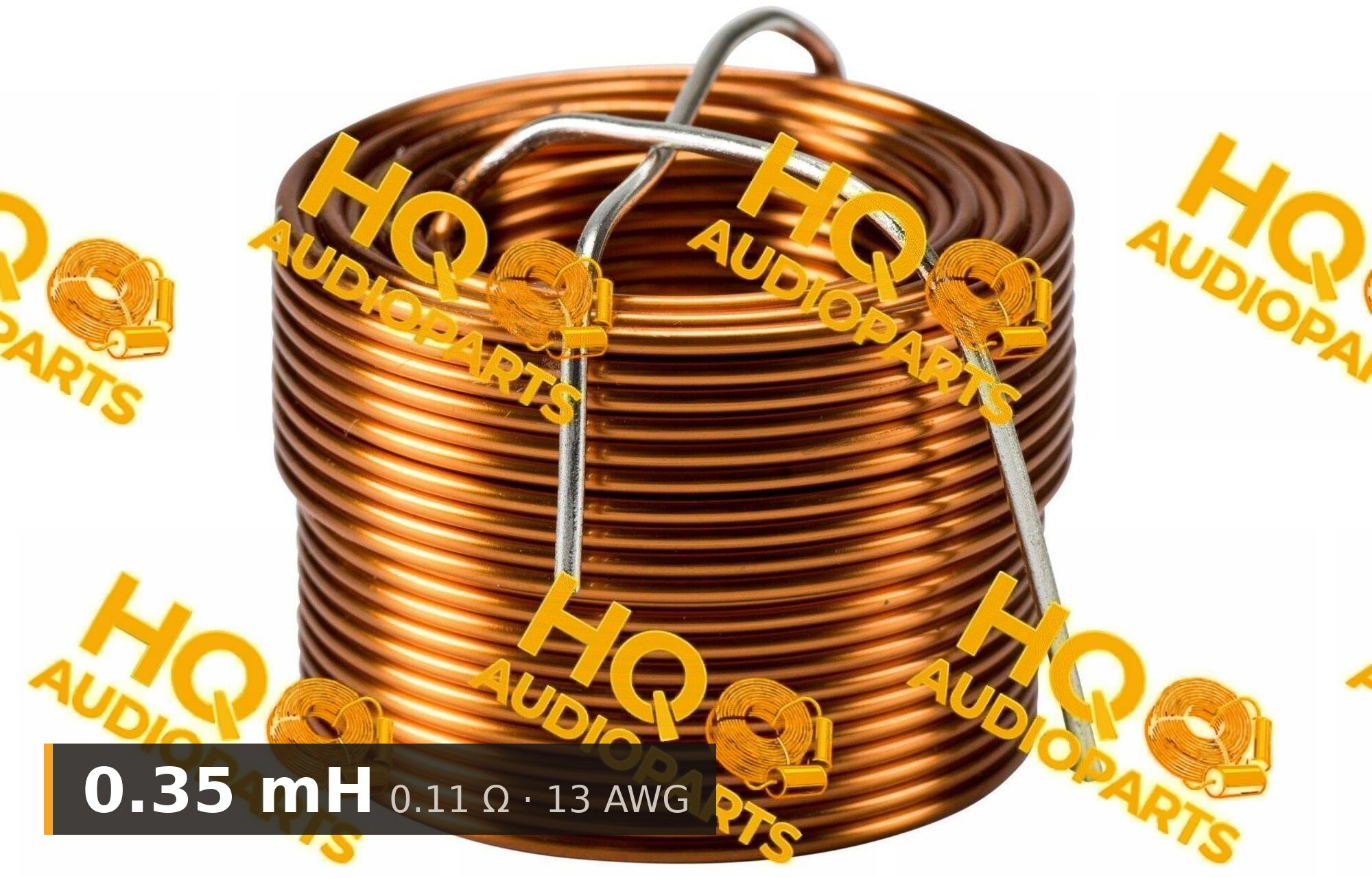
Jantzen Audio
Air core coils
Jantzen Audio 000-0860 | 0.35 mH | 0.11 Ω | 3% | 13 AWG | Air Core Coil
0.35 mH
0.11 Ω
Orderable
Dec 15.
Jantzen Audio
Air core coils
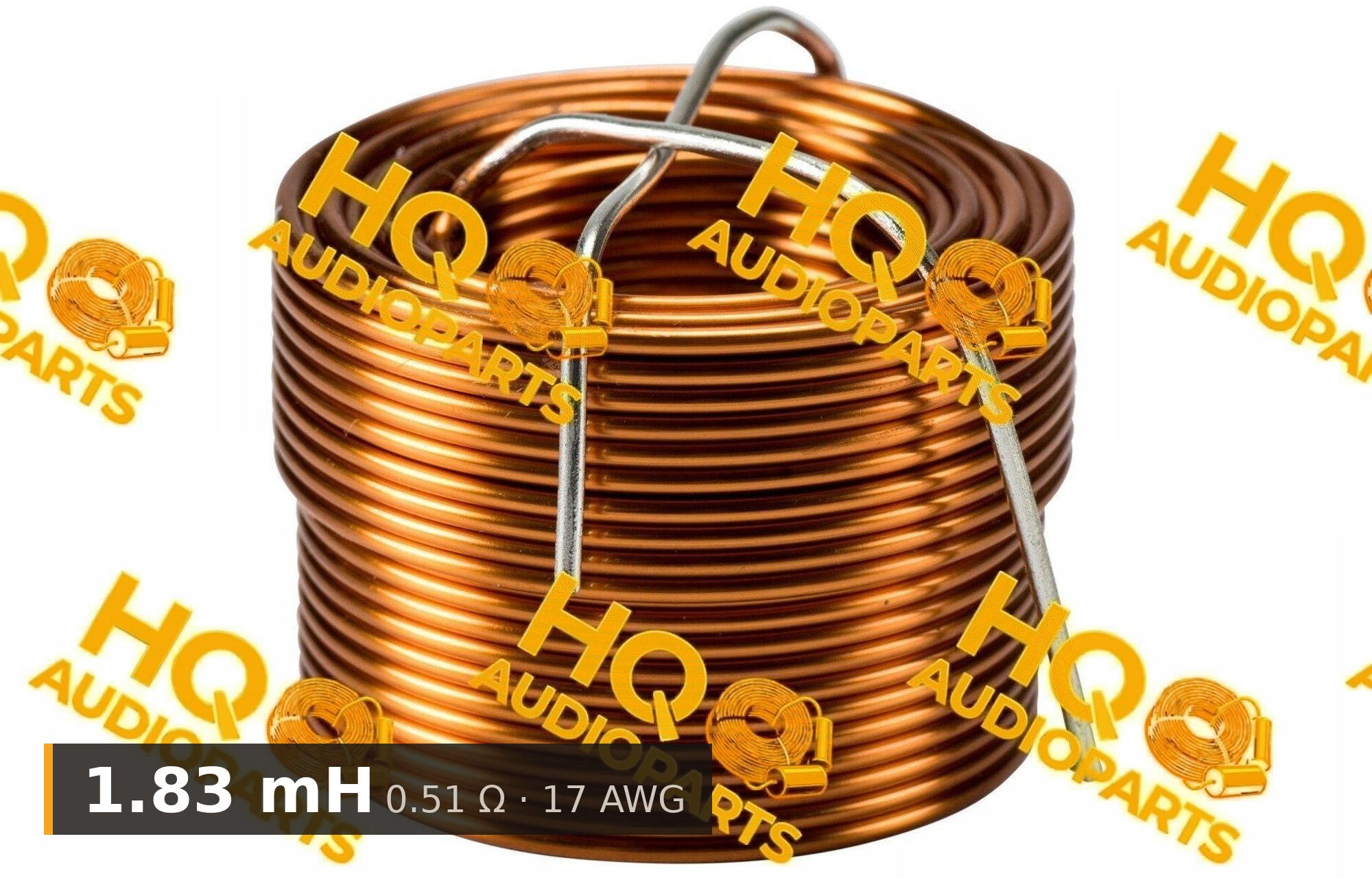
Jantzen Audio 000-0250 | 1.83 mH | 0.51 Ω | 3% | 17 AWG | Air Core Coil
1.83 mH
0.51 Ω
Orderable
Dec 15.
Jantzen Audio
Air core coils
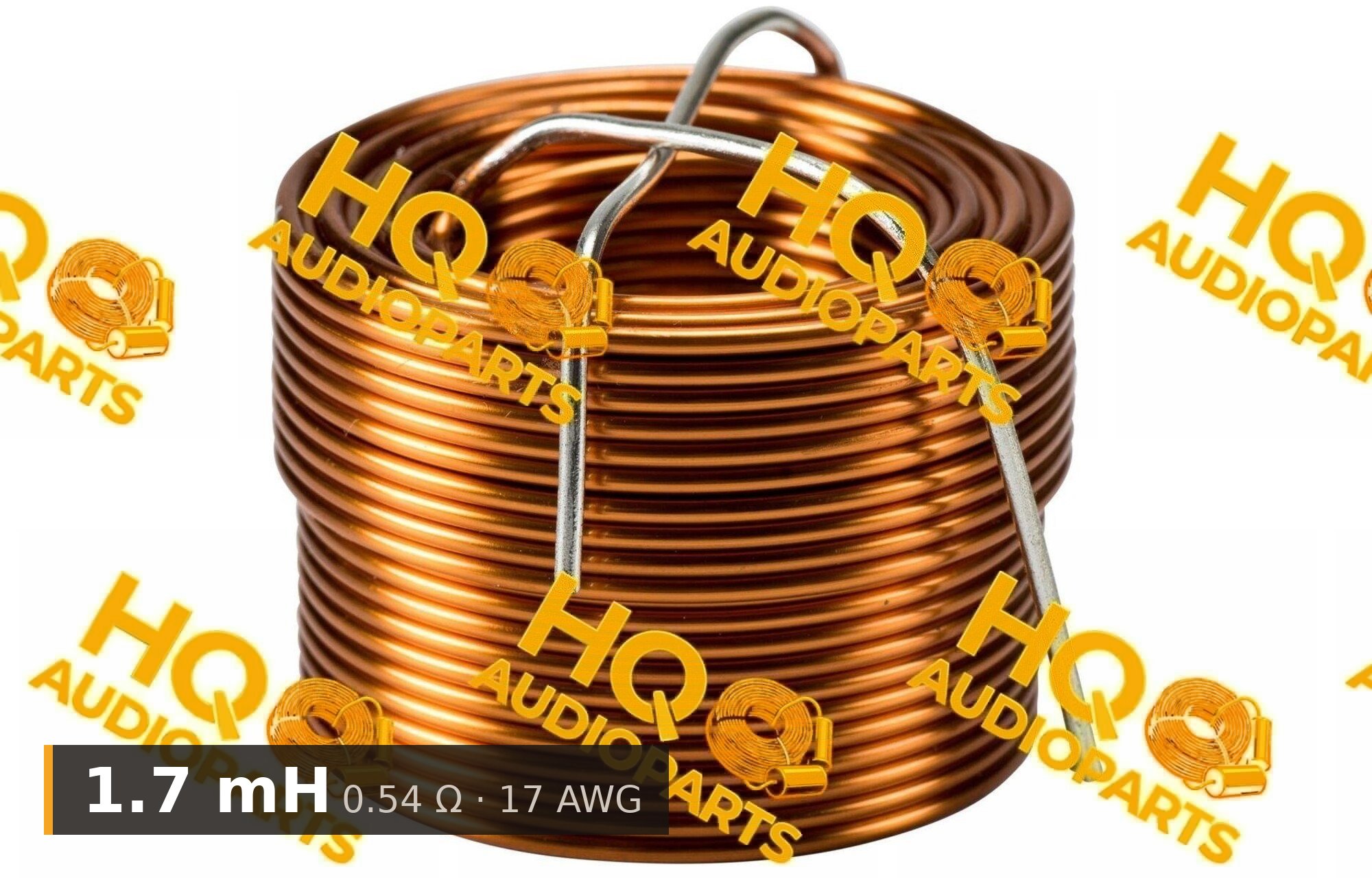
Jantzen Audio 000-1789 | 1.7 mH | 0.54 Ω | 3% | 17 AWG | Air Core Coil
1.7 mH
0.54 Ω
Orderable
Dec 15.
Jantzen Audio
Air core coils
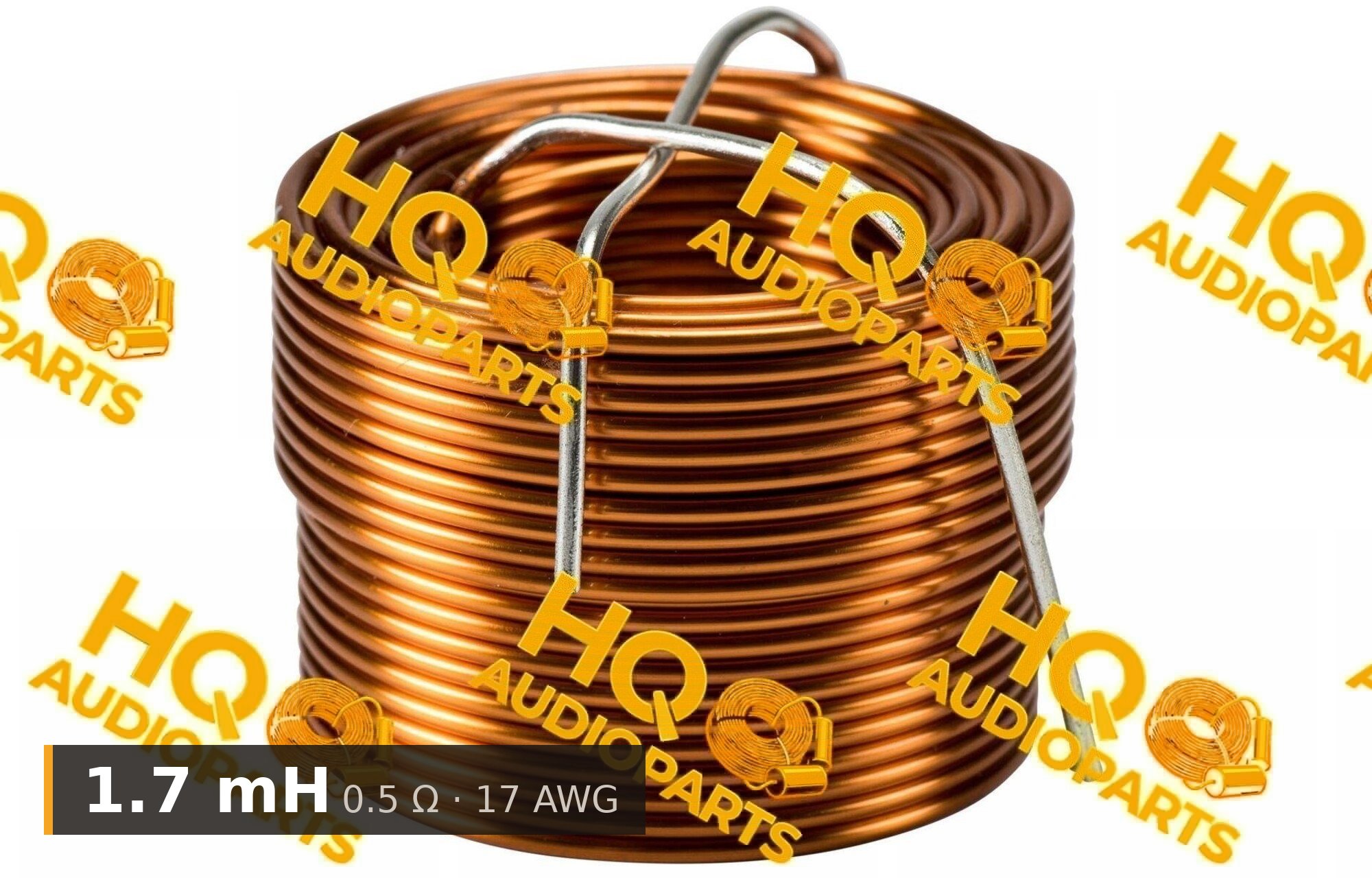
Jantzen Audio 000-1175 | 1.7 mH | 0.5 Ω | 3% | 17 AWG | Air Core Coil
1.7 mH
0.5 Ω
Orderable
Dec 15.

Jantzen Audio
Resistors
Jantzen Audio 002-1006 | 220 Ω | 20 W | 5% | Ceramic Resistor
220 Ω
20 W
Orderable
Dec 15.
Jantzen Audio
Air core coils
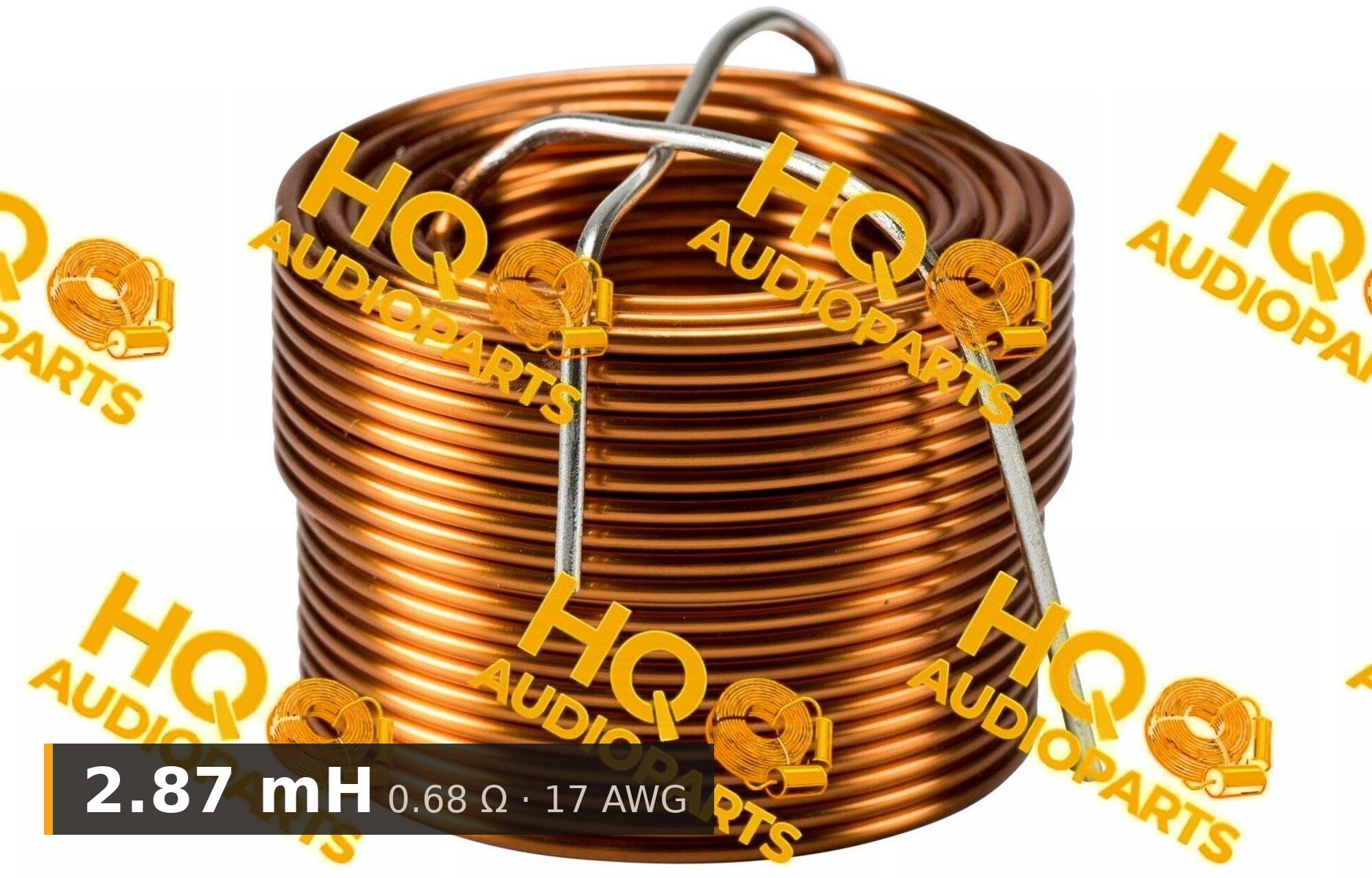
Jantzen Audio 000-0368 | 2.87 mH | 0.68 Ω | 3% | 17 AWG | Air Core Coil
2.87 mH
0.68 Ω
Orderable
Dec 15.
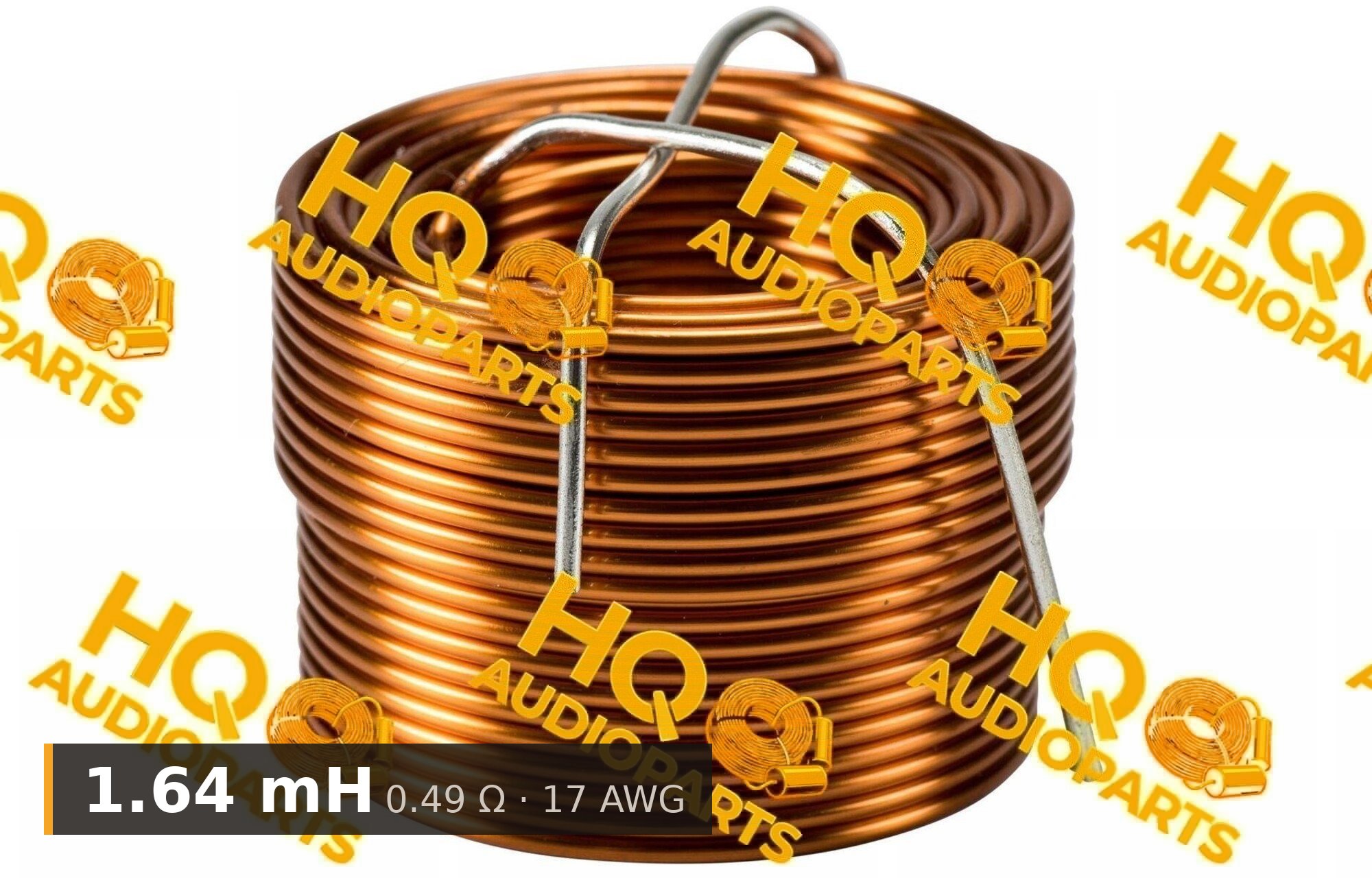
Jantzen Audio
Air core coils
Jantzen Audio 000-1176 | 1.64 mH | 0.49 Ω | 3% | 17 AWG | Air Core Coil
1.64 mH
0.49 Ω
Orderable
Dec 15.
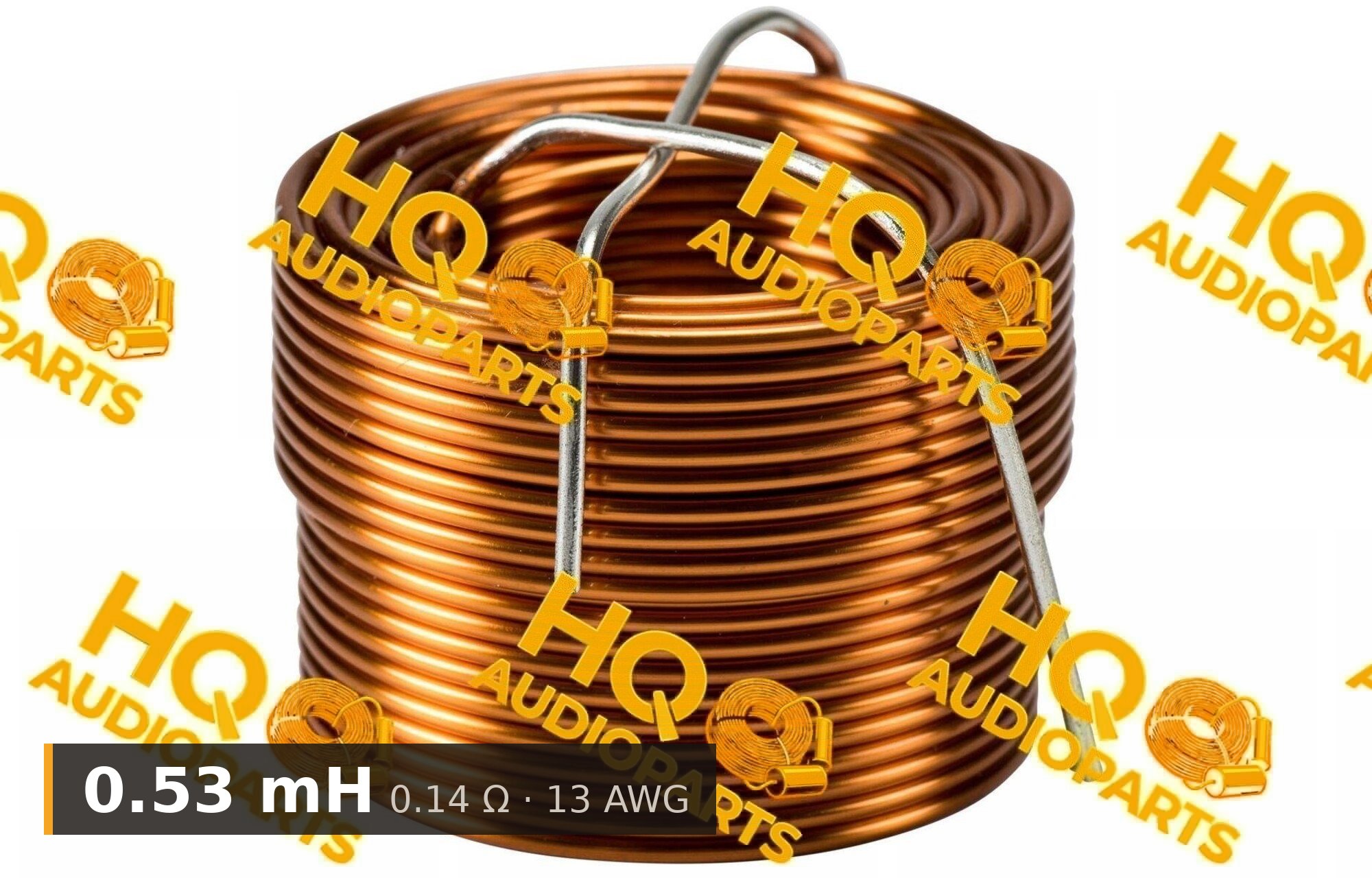
Jantzen Audio
Air core coils
Jantzen Audio 000-0099 | 0.53 mH | 0.14 Ω | 3% | 13 AWG | Air Core Coil
0.53 mH
0.14 Ω
Orderable
Dec 15.
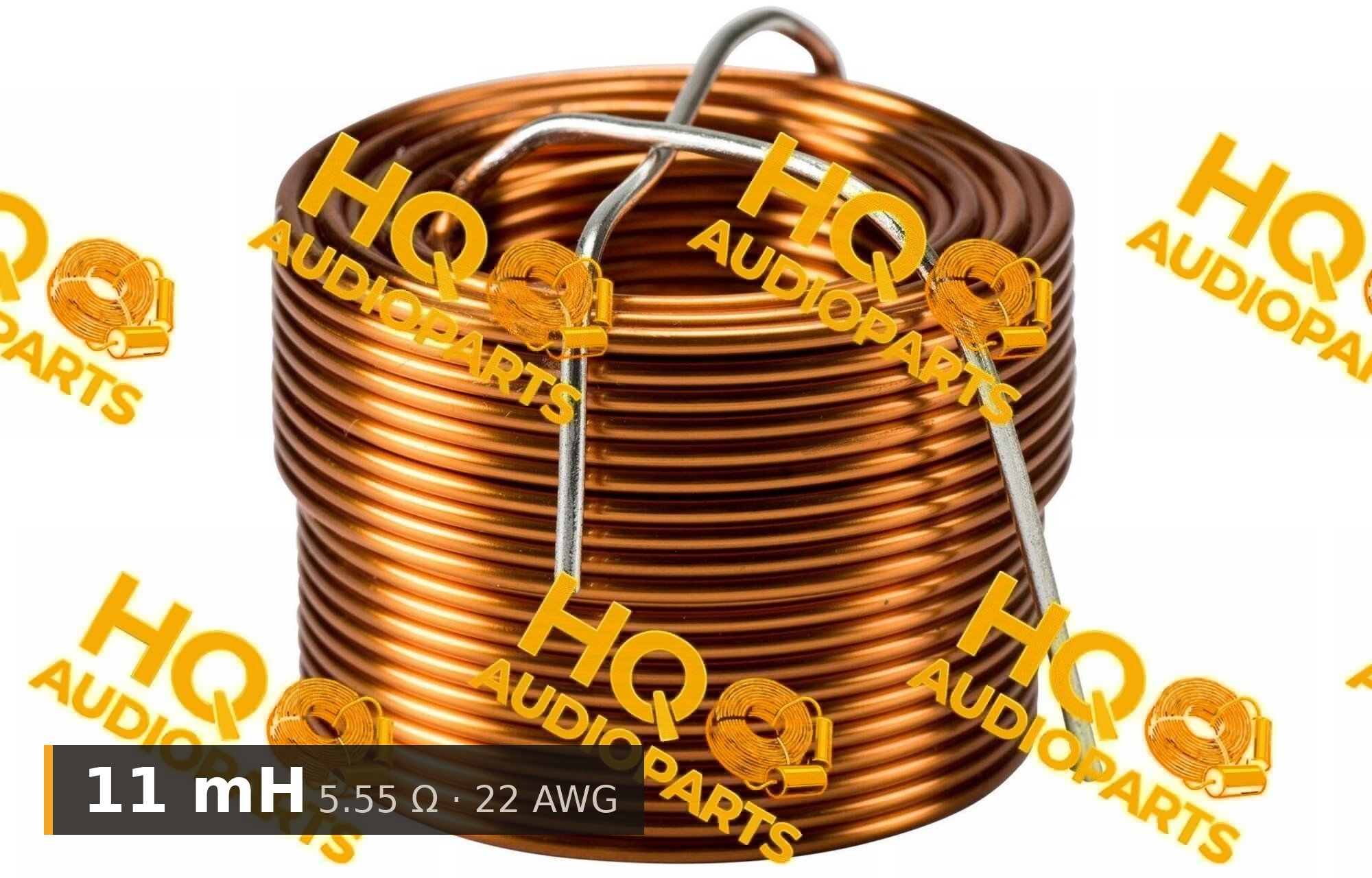
Jantzen Audio
Air core coils
Jantzen Audio 000-1749 | 11 mH | 5.55 Ω | 3% | 22 AWG | Air Core Coil
11 mH
5,55 Ω
Orderable
Dec 15.

Jantzen Audio
Resistors
Jantzen Audio 002-1000 | 100 Ω | 20 W | 5% | Ceramic Resistor
100 Ω
20 W
Orderable
Dec 15.

Jantzen Audio
Resistors
Jantzen Audio 002-0997 | 91 Ω | 20 W | 5% | Ceramic Resistor
91 Ω
20 W
Orderable
Dec 15.
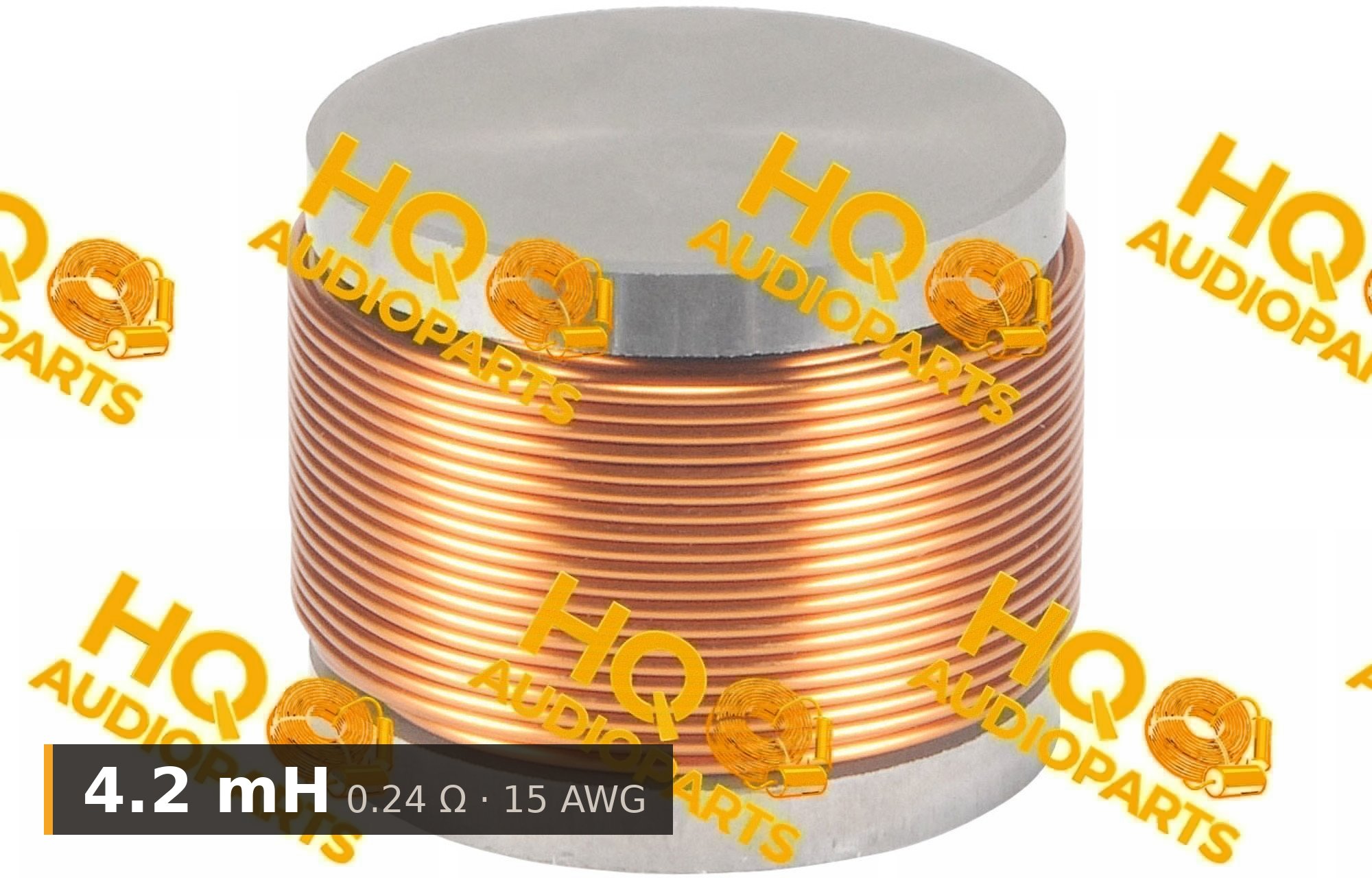
Jantzen Audio
Iron core coils
Jantzen Audio 000-5020 | 4.2 mH | 0.24 Ω | 3% | 15 AWG | Iron Core Coil With Discs
4.2 mH
0.24 Ω
Orderable
Dec 15.
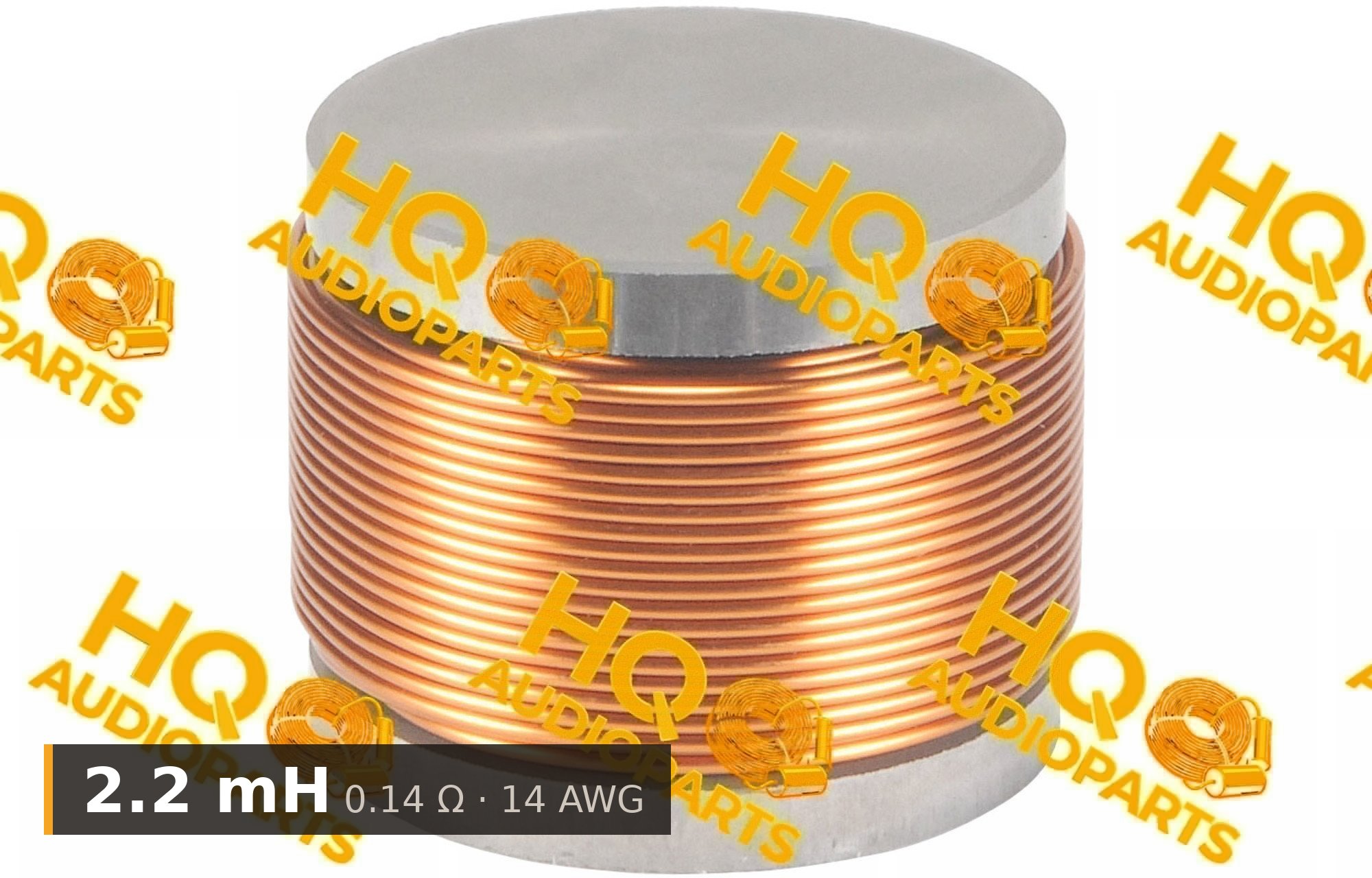
Jantzen Audio
Iron core coils
Jantzen Audio 000-5612 | 2.2 mH | 0.14 Ω | 3% | 14 AWG | Iron Core Coil With Discs
2.2 mH
0.14 Ω
Orderable
Dec 15.

Jantzen Audio
Resistors
Jantzen Audio 002-0994 | 82 Ω | 20 W | 5% | Ceramic Resistor
82 Ω
20 W
Orderable
Dec 15.

Jantzen Audio
Resistors
Jantzen Audio 002-0991 | 75 Ω | 20 W | 5% | Ceramic Resistor
75 Ω
20 W
Orderable
Dec 15.
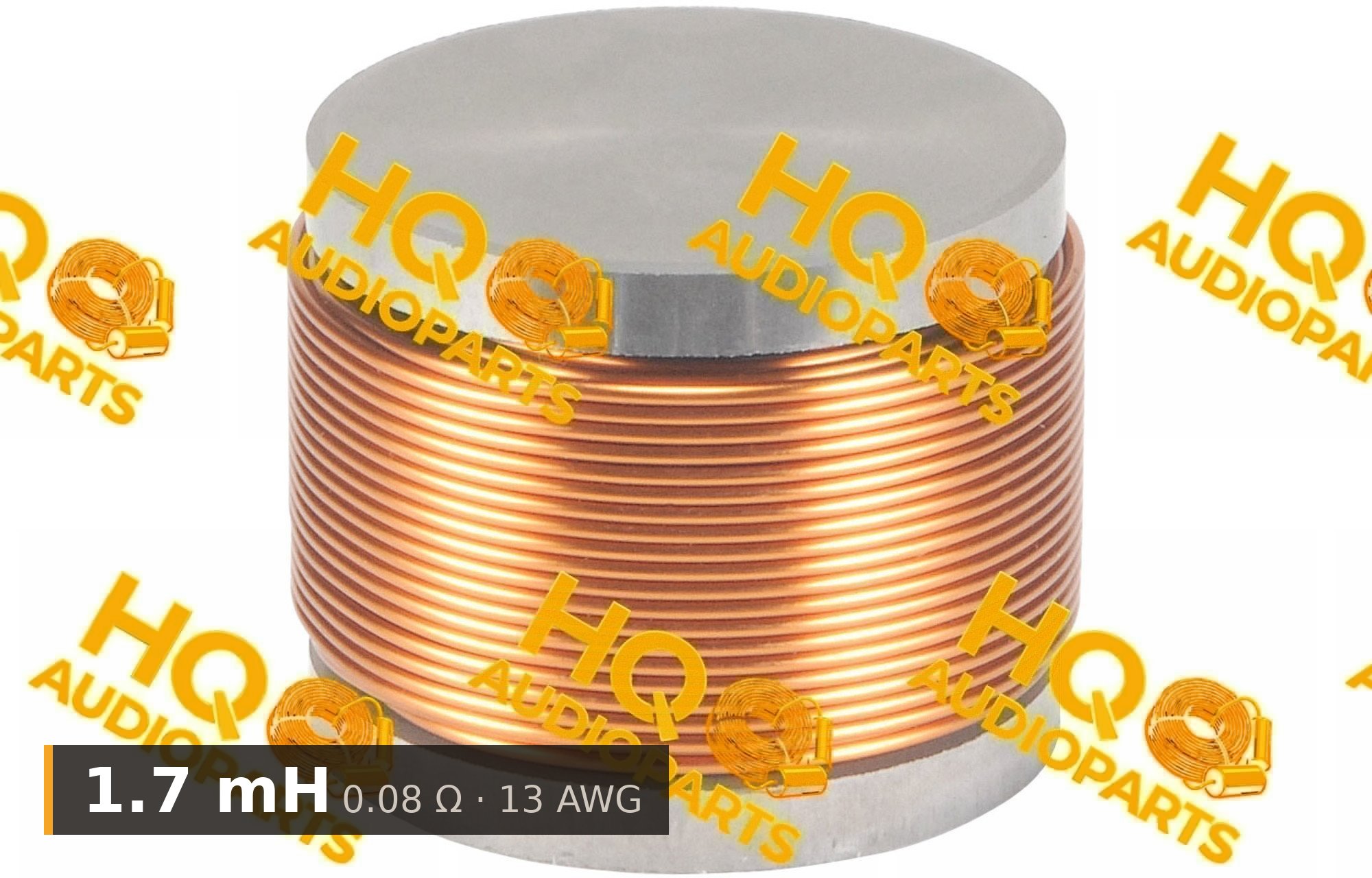
Jantzen Audio
Iron core coils
Jantzen Audio 000-5513 | 1.7 mH | 0.08 Ω | 3% | 13 AWG | Iron Core Coil With Discs
1.7 mH
0.08 Ω
Orderable
Dec 15.
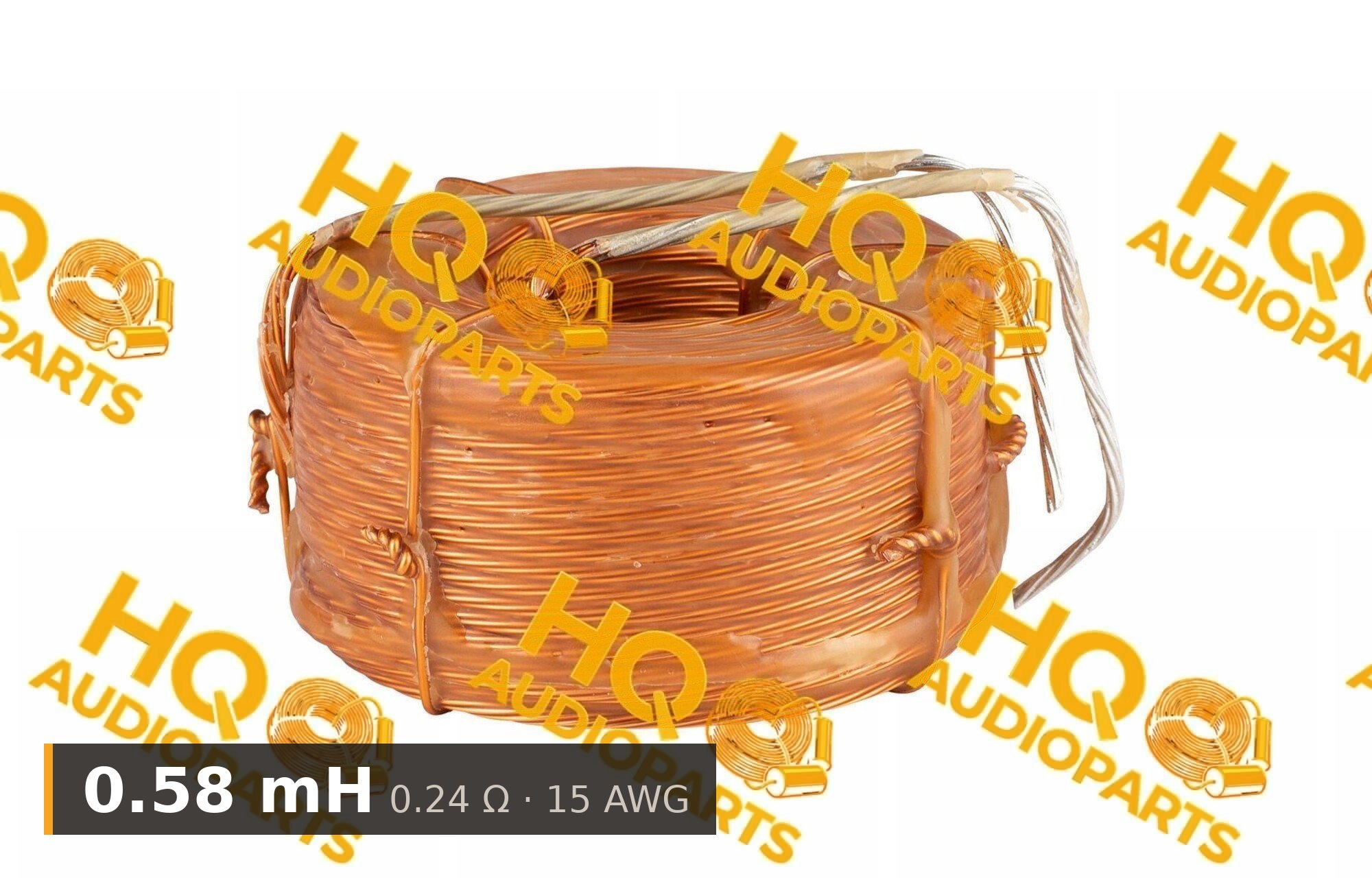
Jantzen Audio
Litz wax coils
Jantzen Audio 000-L-0058 | 0.58 mH | 0.24 Ω | 3% | 15 AWG | Litz Wire Wax Coil
0.58 mH
0.24 Ω
Orderable
Dec 15.

Jantzen Audio
Resistors
Jantzen Audio 002-0988 | 68 Ω | 20 W | 5% | Ceramic Resistor
68 Ω
20 W
Orderable
Dec 15.

Jantzen Audio
Resistors
Jantzen Audio 002-0985 | 62 Ω | 20 W | 5% | Ceramic Resistor
62 Ω
20 W
Orderable
Dec 15.

Jantzen Audio
Air core coils
Jantzen Audio 000-1983 | 1.13 mH | 0.43 Ω | 3% | 17 AWG | Air-core Coil
1.13 mH
0.43 Ω
Orderable
Dec 15.

Jantzen Audio
Resistors
Jantzen Audio 002-0973 | 43 Ω | 20 W | 5% | Ceramic Resistor
43 Ω
20 W
Orderable
Dec 15.

Jantzen Audio
Resistors
Jantzen Audio 002-0963 | 30 Ω | 20 W | 5% | Ceramic Resistor
30 Ω
20 W
Orderable
Dec 15.
Read more: Crossover Components
A passive crossover decides which driver gets which part of the spectrum, and where and how steeply the bands hand over to each other. At least half of a well-designed speaker's sound is shaped here, not in the drivers themselves.
This section holds everything a crossover is built from: inductors, capacitors, resistors, circuit boards, driver protectors and ready-assembled networks. When refurbishing, start with aged electrolytic capacitors; for a new design, start by measuring the values precisely.