


Crossover Components

Jantzen Audio
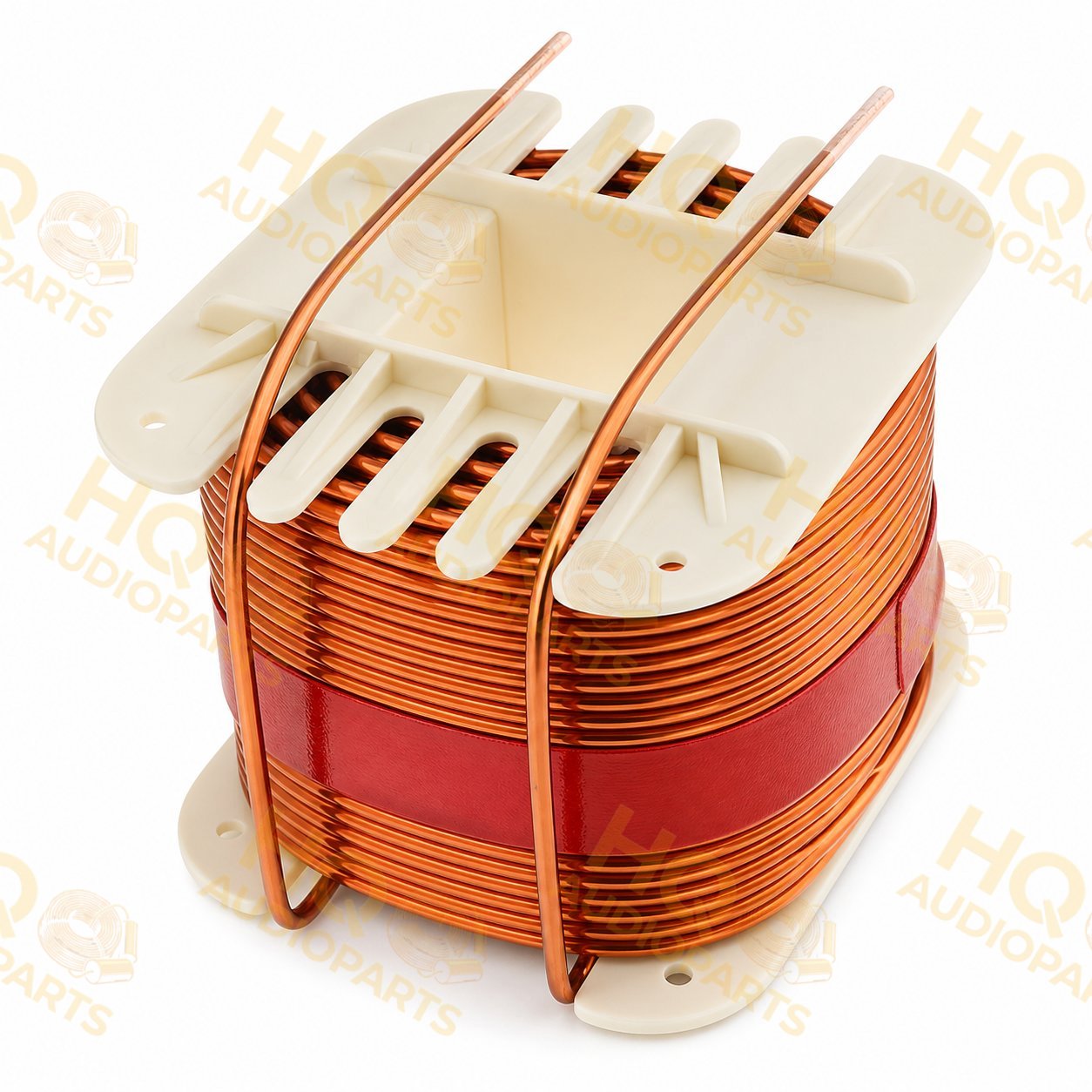
Air core coils
Jantzen Audio 000-1444 | 0.60 mH | 0.23 Ω | 3% | 15 AWG | Air-core Coil
0.6 mH
0.23 Ω
Orderable
Dec 15.

Jantzen Audio
Air core coils
Jantzen Audio 000-1307 | 2.7 mH | 0.92 Ω | 3% | 18 AWG | Air-core Coil
2.7 mH
0.92 Ω
Orderable
Dec 15.

Jantzen Audio
Air core coils
Jantzen Audio 000-0940 | 0.72 mH | 0.25 Ω | 3% | 15 AWG | Air-core Coil
0.72 mH
0.25 Ω
Orderable
Dec 15.

Jantzen Audio
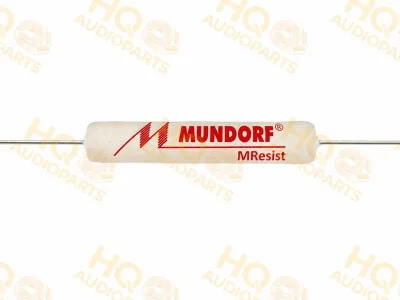
Resistors
Jantzen Audio 002-0945 | 9.1 Ω | 20 W | 5% | Ceramic Resistor
9.1 Ω
20 W
Orderable
Dec 15.

Jantzen Audio
Resistors
Jantzen Audio 002-0942 | 7.5 Ω | 20 W | 5% | Ceramic Resistor
7.5 Ω
20 W
Orderable
Dec 15.
Jantzen Audio
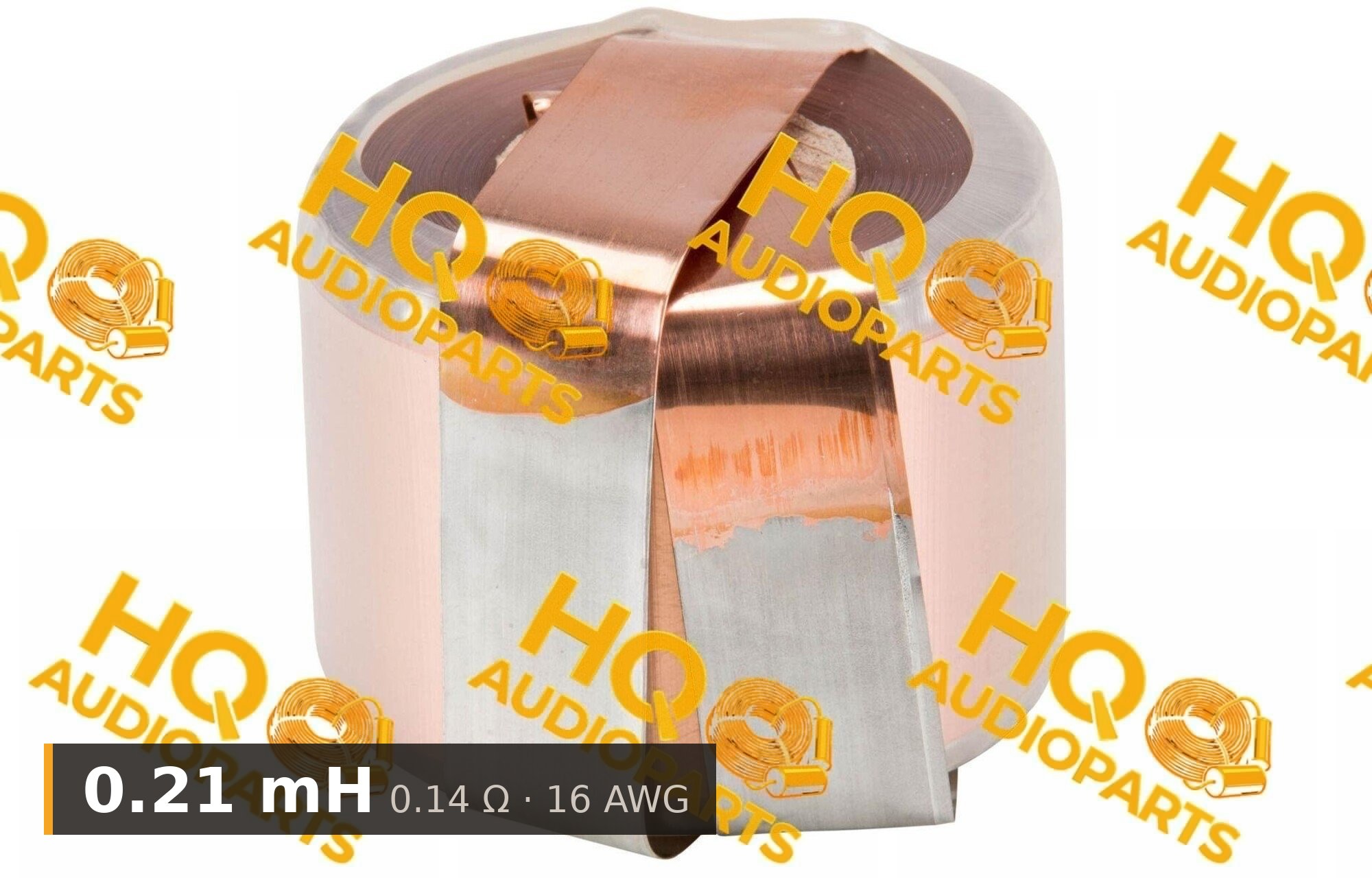
Copper foil coils
Jantzen Audio 000-7641 | 0.21 mH | 0.14 Ω | 2% | 16 AWG | Cross Coil
0.21 mH
0.14 Ω
Orderable
Dec 15.

Jantzen Audio
Air core coils
Jantzen Audio 000-0106 | 0.22 mH | 0.083 Ω | 3% | 13 AWG | Air-core Coil
0.22 mH
0.083 Ω
Orderable
Dec 15.
Jantzen Audio
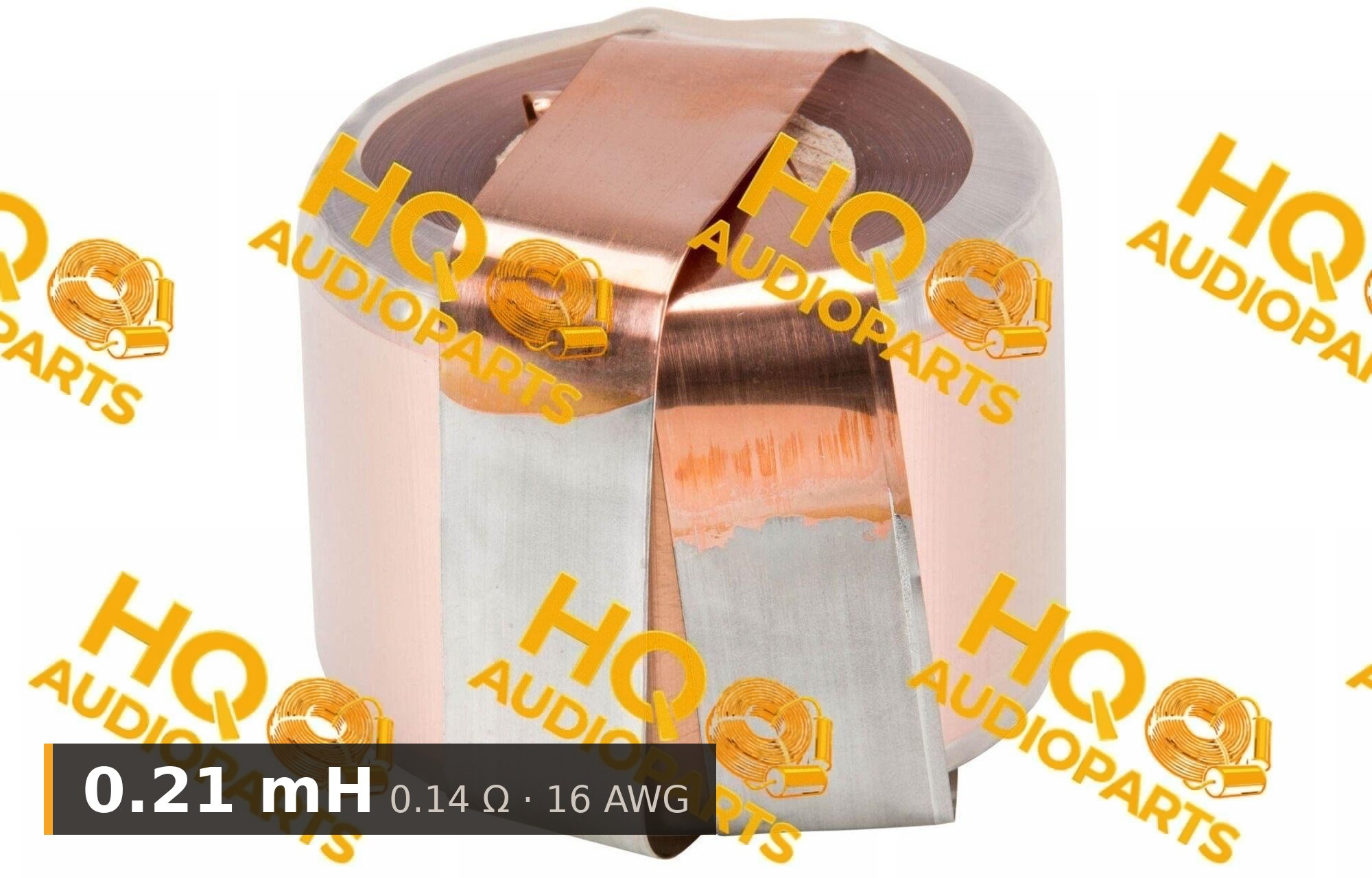
Copper foil coils
Jantzen Audio 000-7642 | 0.21 mH | 0.14 Ω | 2% | 16 AWG | Cross Coil
0.21 mH
0.14 Ω
Orderable
Dec 15.

Jantzen Audio
Resistors
Jantzen Audio 002-0931 | 5.1 Ω | 20 W | 5% | Ceramic Resistor
5.1 Ω
20 W
Orderable
Dec 15.

Jantzen Audio
Resistors
Jantzen Audio 002-0925 | 4.3 Ω | 20 W | 5% | Ceramic Resistor
4.3 Ω
20 W
Orderable
Dec 15.
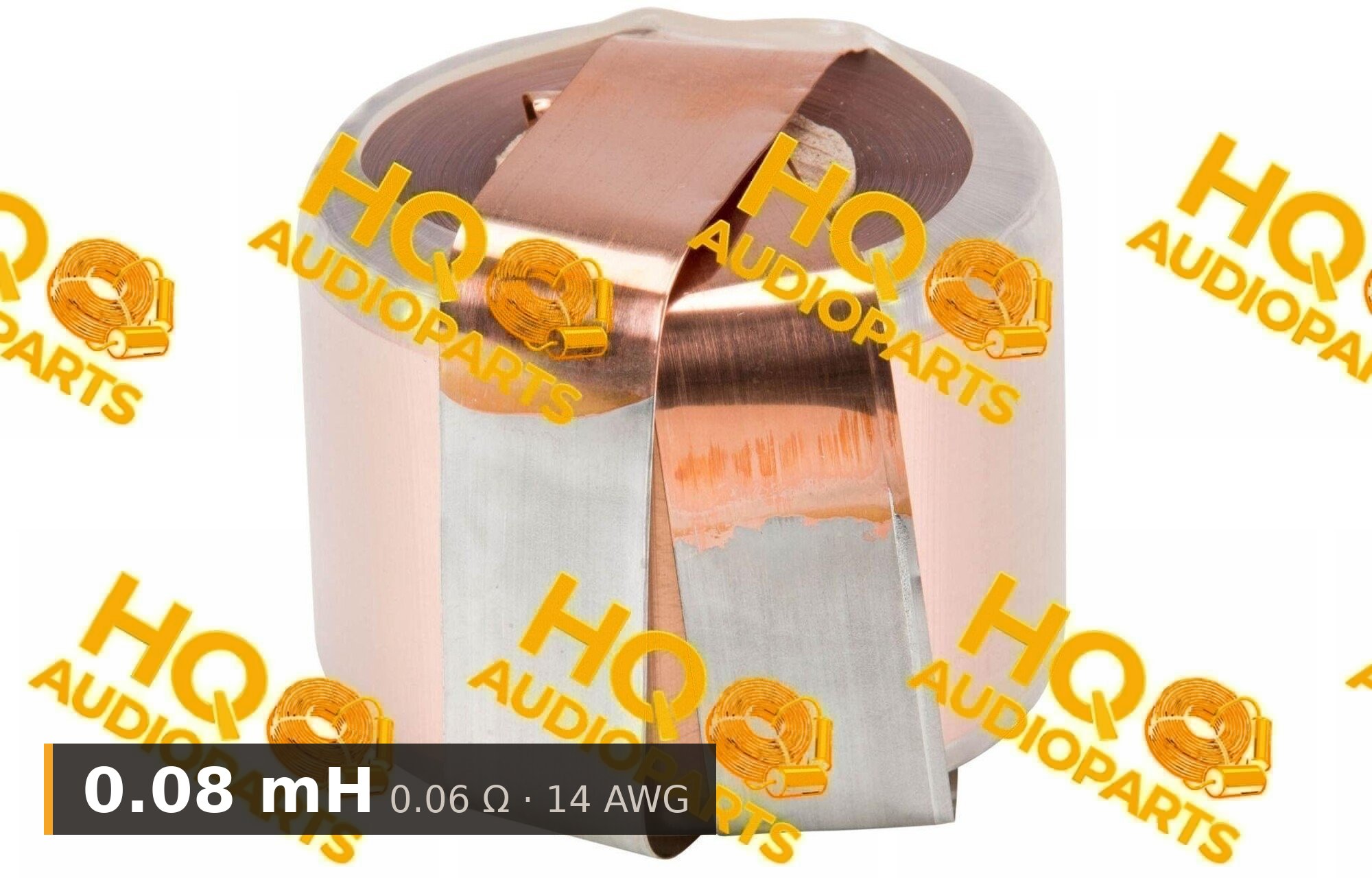
Jantzen Audio
Copper foil coils
Jantzen Audio 000-7280 | 0.08 mH | 0.06 Ω | 2% | 14 AWG | Cross Coil
0.08 mH
0.06 Ω
Orderable
Dec 15.
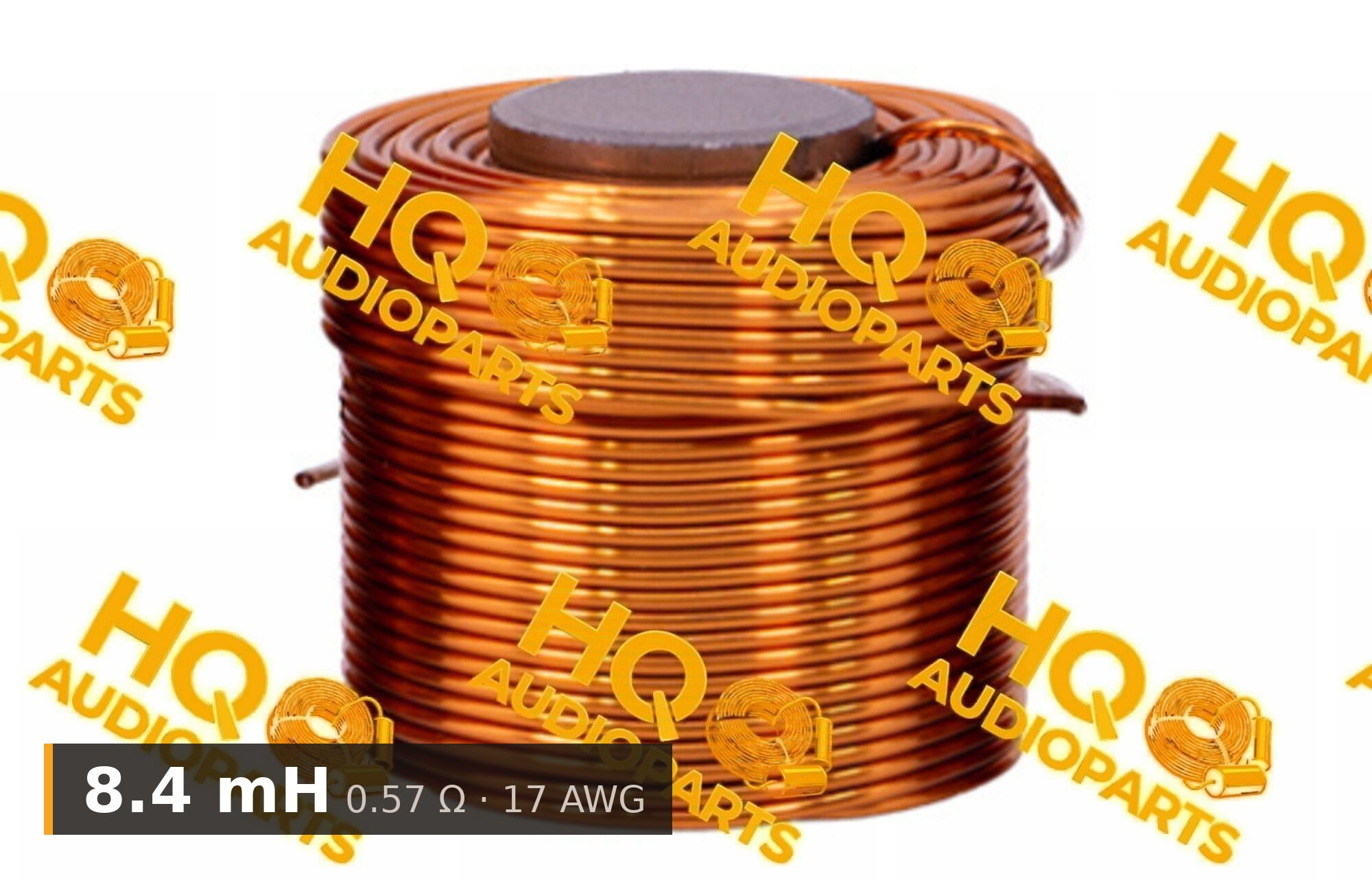
Jantzen Audio
Iron core coils
Jantzen Audio 000-2490 | 8.4 mH | 0.57 Ω | 3% | 17 AWG | Iron Core Coil
8.4 mH
0.57 Ω
Orderable
Dec 15.

Jantzen Audio
Resistors
Jantzen Audio 002-0901 | 2 Ω | 20 W | 5% | Ceramic Resistor
2 Ω
20 W
Orderable
Dec 15.

Jantzen Audio
Resistors
Jantzen Audio 002-0895 | 1.6 Ω | 20 W | 5% | Ceramic Resistor
1.6 Ω
20 W
Orderable
Dec 15.

Jantzen Audio
Resistors
Jantzen Audio 002-0883 | 1.1 Ω | 20 W | 5% | Ceramic Resistor
1.1 Ω
20 W
Orderable
Dec 15.
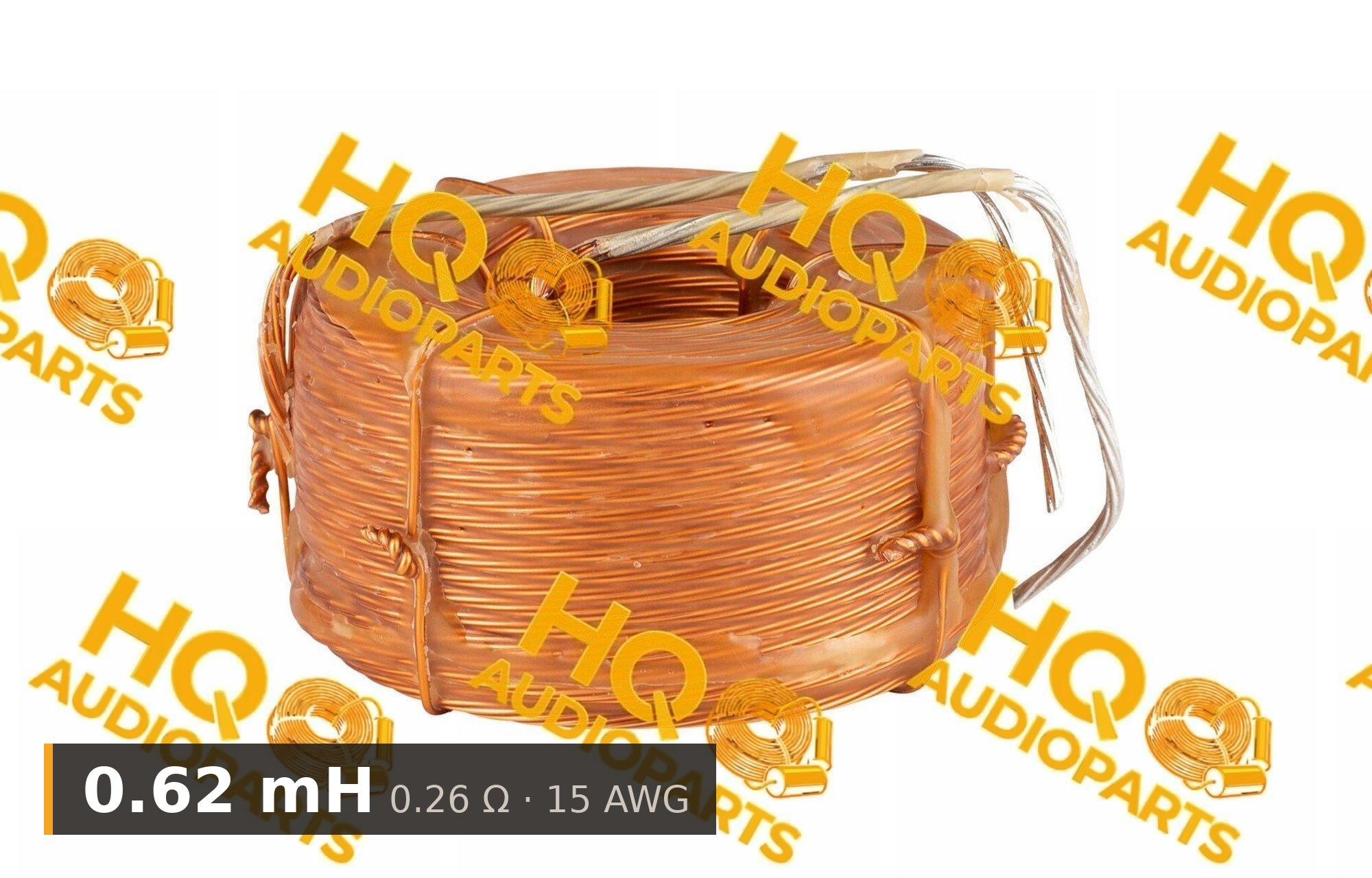
Jantzen Audio
Litz wax coils
Jantzen Audio 000-L-0062 | 0.62 mH | 0.26 Ω | 3% | 15 AWG | Litz Wire Wax Coil
0.62 mH
0.26 Ω
Orderable
Dec 15.
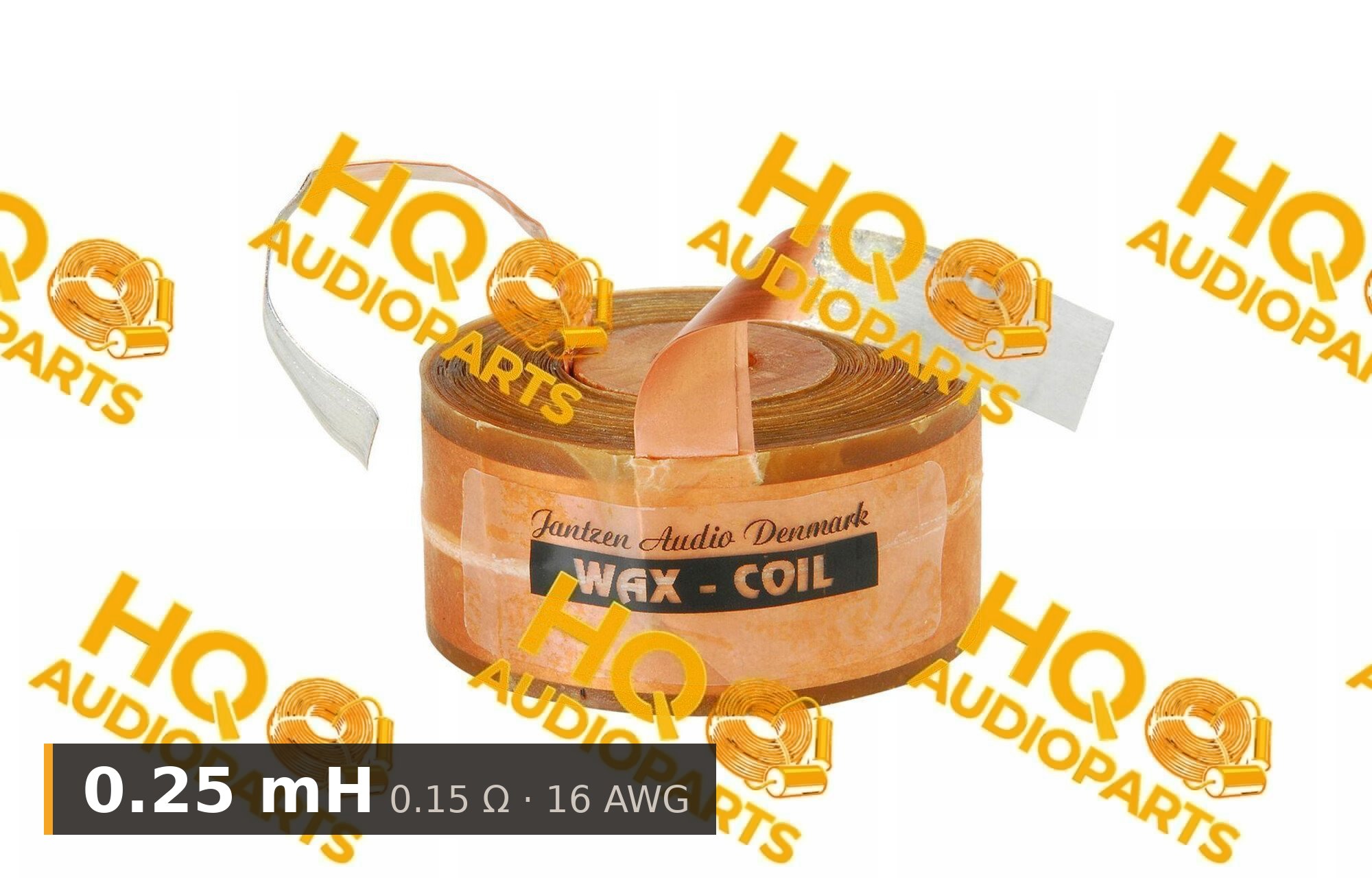
Jantzen Audio
Copper foil coils
Jantzen Audio 000-85425 | 0.25 mH | 0.15 Ω | 2% | 16 AWG | Wax Coil
0.25 mH
0.15 Ω
Orderable
Dec 15.
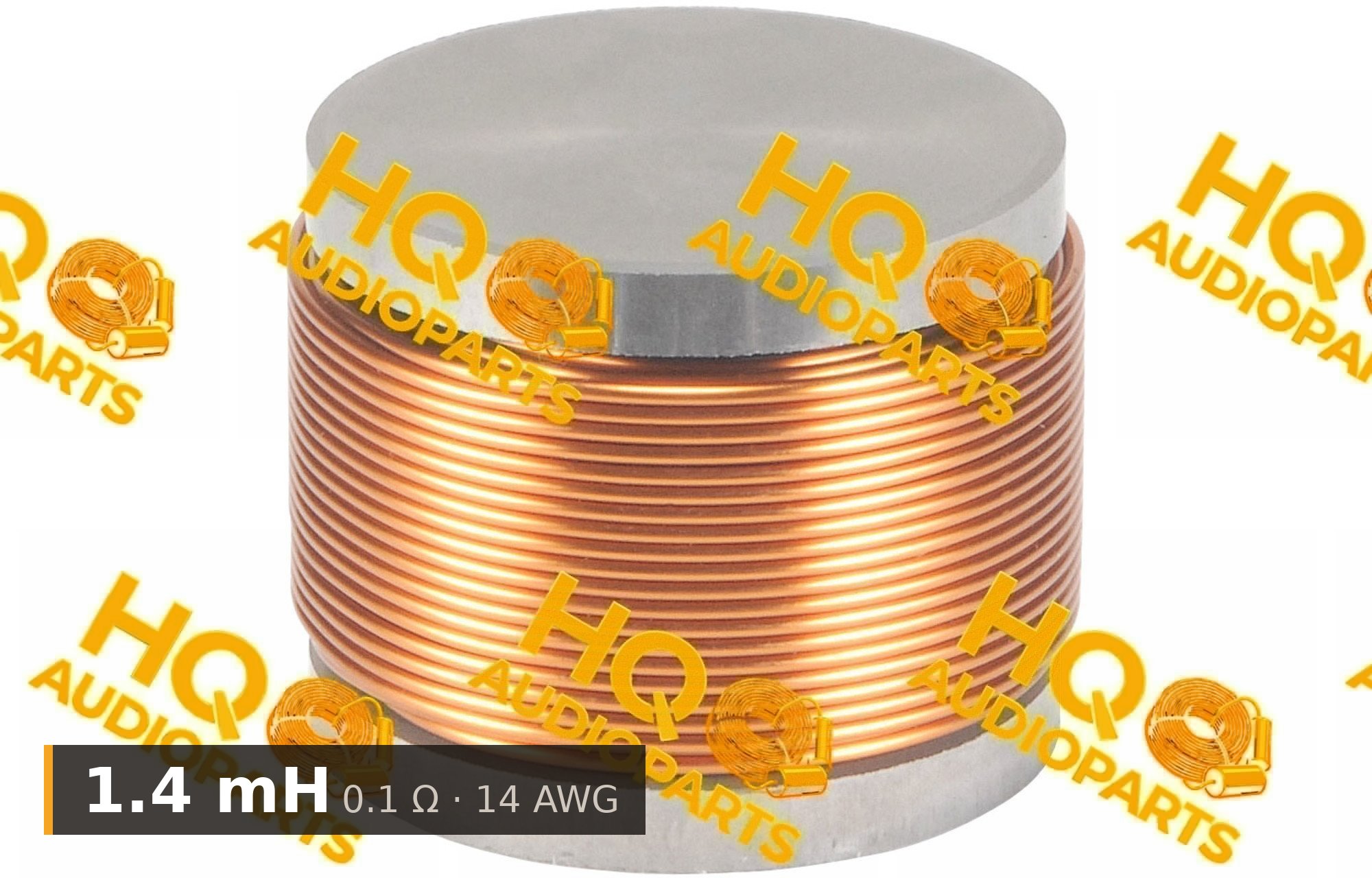
Jantzen Audio
Iron core coils
Jantzen Audio 000-5585 | 1.4 mH | 0.1 Ω | 3% | 14 AWG | Iron Core Coil With Discs
1.4 mH
0.1 Ω
Orderable
Dec 15.

Jantzen Audio
Resistors
Jantzen Audio 002-0877 | 0.91 Ω | 20 W | 5% | Ceramic Resistor
0.91 Ω
20 W
Orderable
Dec 15.
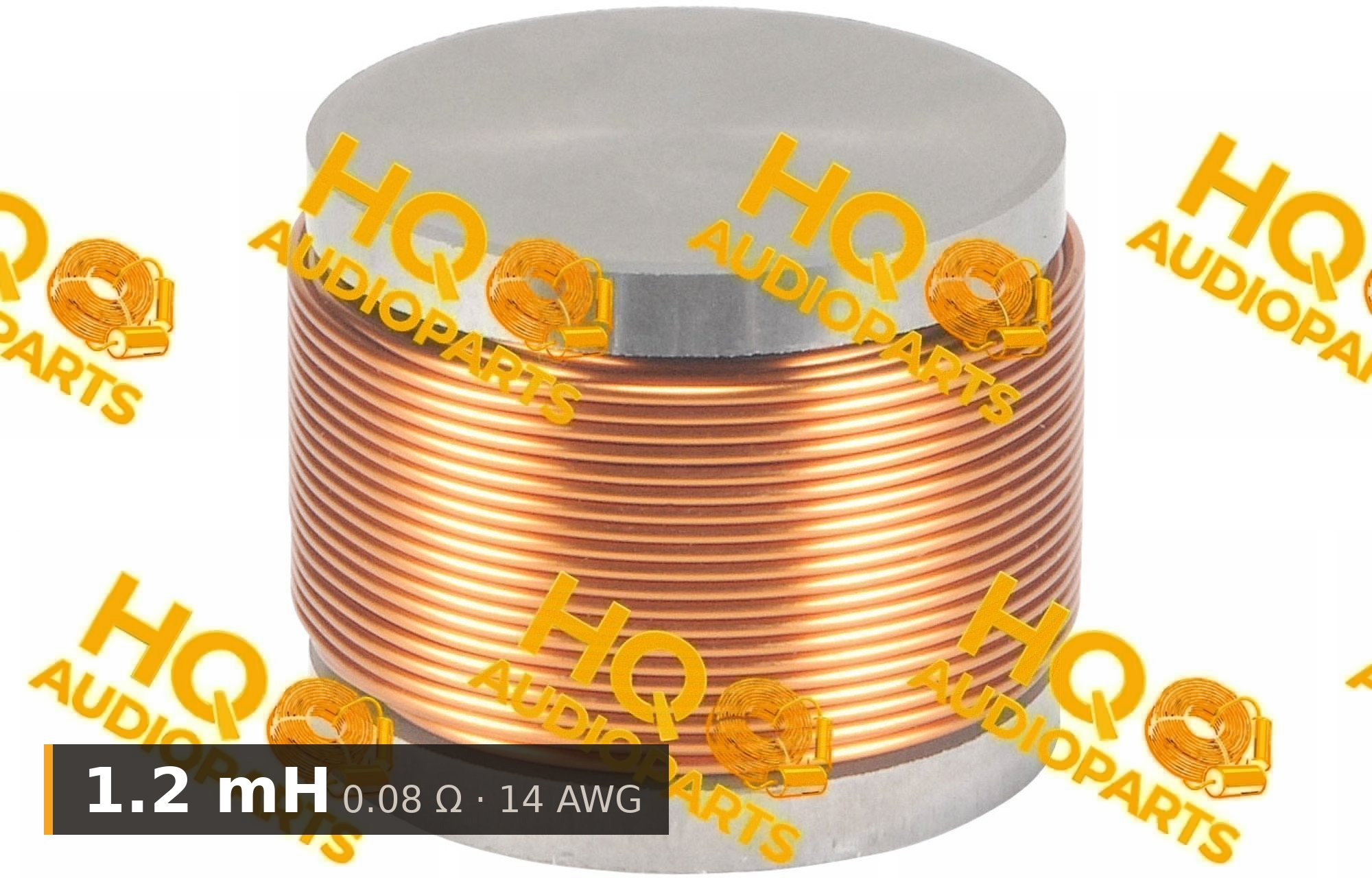
Jantzen Audio
Iron core coils
Jantzen Audio 000-5645 | 1.2 mH | 0.08 Ω | 3% | 14 AWG | Iron Core Coil With Discs
1.2 mH
0.08 Ω
Orderable
Dec 15.
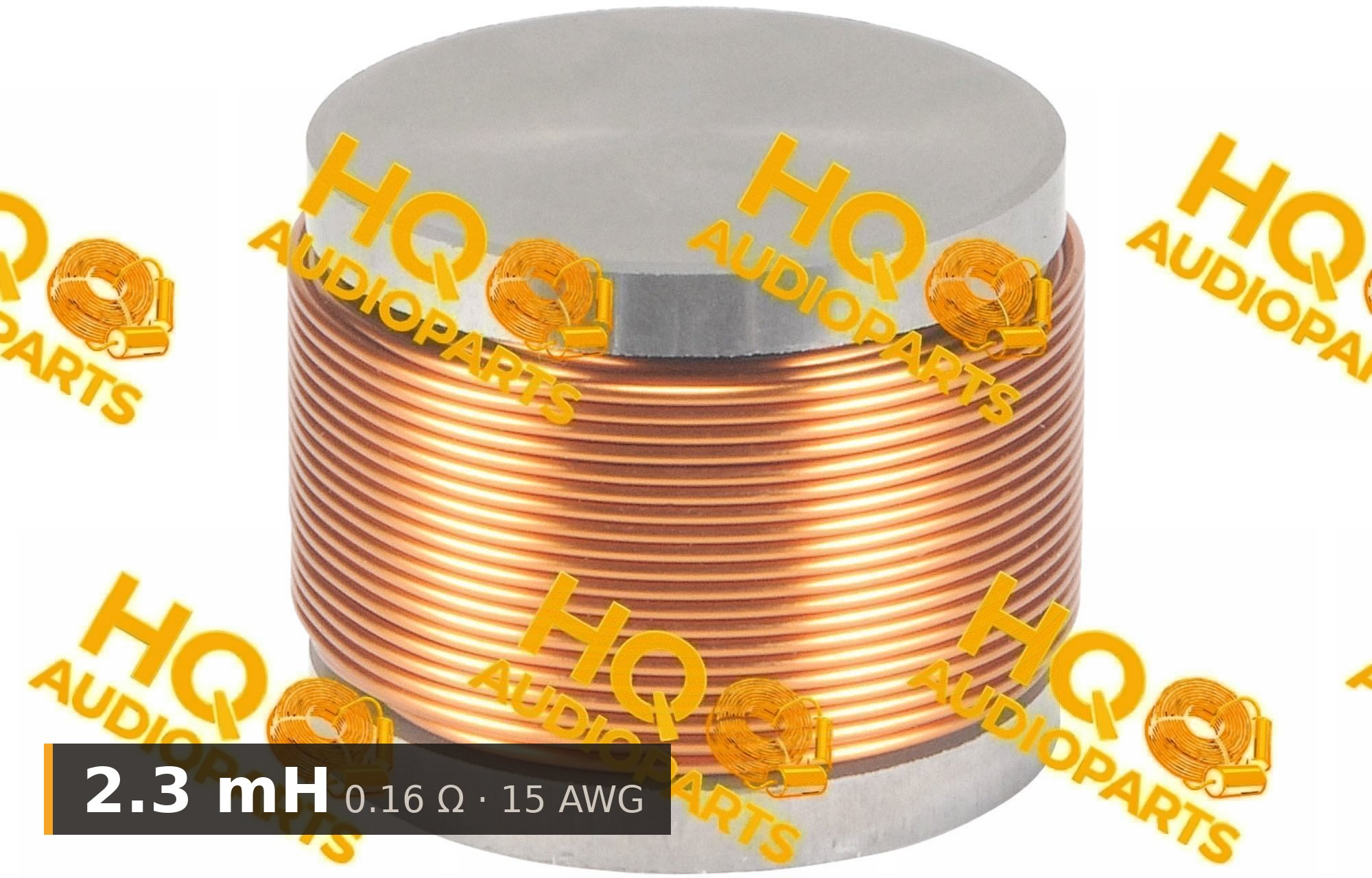
Jantzen Audio
Iron core coils
Jantzen Audio 000-5382 | 2.3 mH | 0.16 Ω | 3% | 15 AWG | Iron Core Coil With Discs
2.3 mH
0.16 Ω
Orderable
Dec 15.

Jantzen Audio
Resistors
Jantzen Audio 002-0871 | 0.75 Ω | 20 W | 5% | Ceramic Resistor
0.75 Ω
20 W
Orderable
Dec 15.

Jantzen Audio
Resistors
Jantzen Audio 002-0865 | 0.62 Ω | 20 W | 5% | Ceramic Resistor
0.62 Ω
20 W
Orderable
Dec 15.
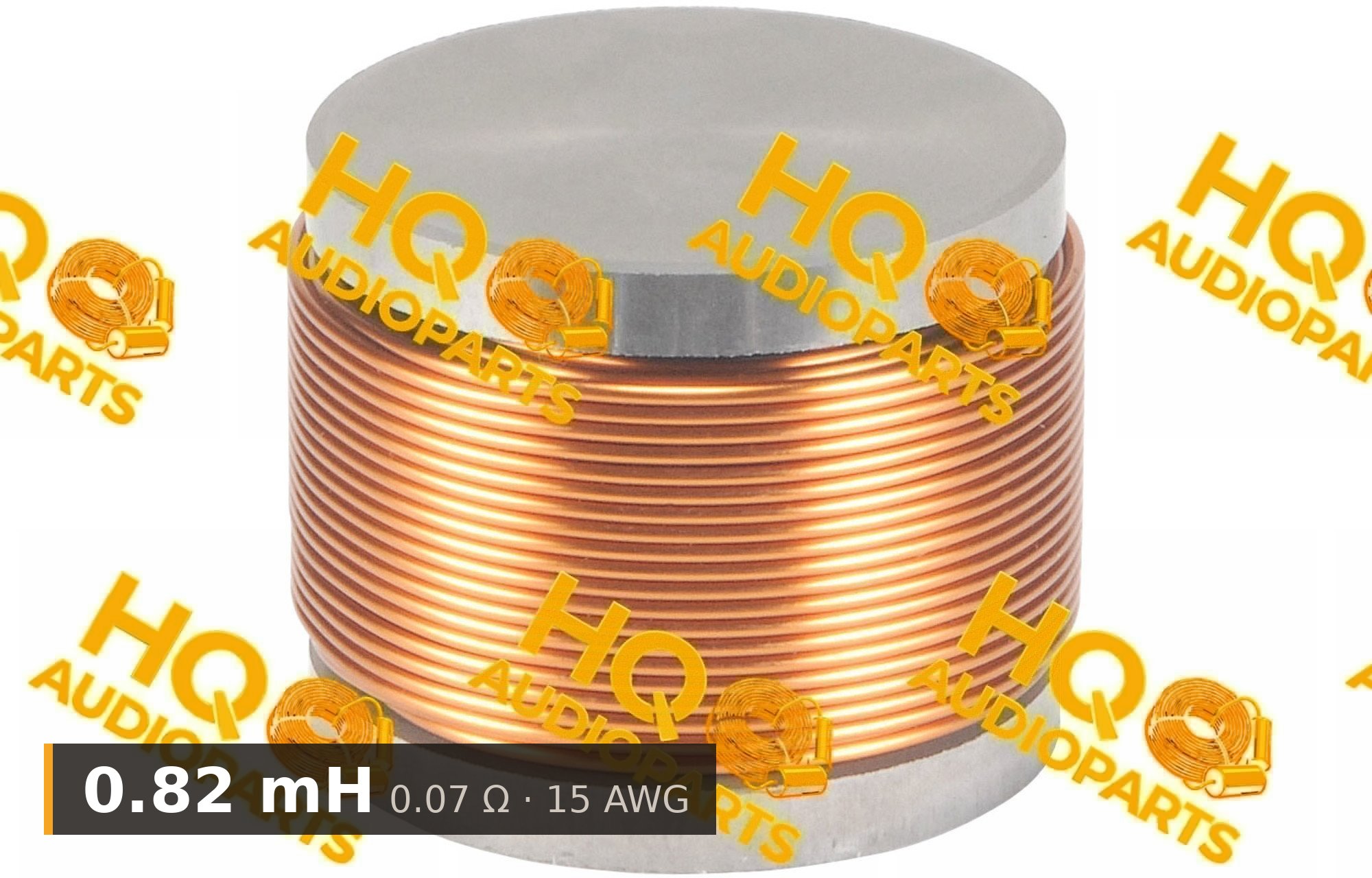
Jantzen Audio
Iron core coils
Jantzen Audio 000-5641 | 0.82 mH | 0.07 Ω | 3% | 15 AWG | Iron Core Coil With Discs
0.82 mH
0.07 Ω
Orderable
Dec 15.
Read more: Crossover Components
A passive crossover decides which driver gets which part of the spectrum, and where and how steeply the bands hand over to each other. At least half of a well-designed speaker's sound is shaped here, not in the drivers themselves.
This section holds everything a crossover is built from: inductors, capacitors, resistors, circuit boards, driver protectors and ready-assembled networks. When refurbishing, start with aged electrolytic capacitors; for a new design, start by measuring the values precisely.