


Crossover Components

Jantzen Audio
Electrolytic capacitors
Jantzen Audio 001-6180 | 220 µF | 5% | 100 V | EleCap Capacitor
220 µF
±5%
10+ pcs in stock
Nov 3.


Jantzen Audio
Resistors
Jantzen Audio 002-0793 | 7.5 Ω | 10 W | 5% | Ceramic Resistor
7.5 Ω
10 W
10+ pcs in stock
Nov 3.

Audio Note
Resistors
Audio Note RES-NM30-1W-100R | 100 Ω | 1 W | 1%
100 Ω
1 W
8 pieces in stock
Nov 3.

Jantzen Audio
Resistors
Jantzen Audio 002-0790 | 6.8 Ω | 10 W | 5% | Ceramic Resistor
6.8 Ω
10 W
10+ pcs in stock
Nov 3.


Mundorf
Foil capacitors
Mundorf TCAP-47T5.600 | 47 µF | 5% | 600 V
47 µF
±5%
4 pieces in stock
Nov 3.


Audio Note
Electrolytic capacitors
Audio Note CAP-100-R-50U-350V | 50 µF | 20% | 350 V
50 µF
±20%
2 pieces in stock
Nov 3.

Audio Note
Resistors
Audio Note RES-NM30-1W-120R | 120 Ω | 1 W | 1%
120 Ω
1 W
8 pieces in stock
Nov 3.

Jantzen Audio
Resistors
Jantzen Audio 002-0787 | 6.2 Ω | 10 W | 5% | Ceramic Resistor
6.2 Ω
10 W
10+ pcs in stock
Nov 3.

Audio Note
Resistors
Audio Note RES-NM30-1W-150R | 150 Ω | 1 W | 1%
150 Ω
1 W
7 pieces in stock
Nov 3.

Jantzen Audio
Resistors
Jantzen Audio 002-0784 | 5.6 Ω | 10 W | 5% | Ceramic Resistor
5.6 Ω
10 W
10+ pcs in stock
Nov 3.


Mundorf
Power capacitor
Mundorf MLGO+63-15000 | 15000 µF | 20% | 63 V
15000 µF
±20%
4 pieces in stock
Nov 3.

Audio Note
Resistors
Audio Note RES-NM30-1W-180R | 180 Ω | 1 W | 1%
180 Ω
1 W
8 pieces in stock
Nov 3.

Jantzen Audio
Resistors
Jantzen Audio 002-0781 | 5.1 Ω | 10 W | 5% | Ceramic Resistor
5.1 Ω
10 W
10+ pcs in stock
Nov 3.

Audio Note
Resistors
Audio Note RES-NM30-1W-270R | 270 Ω | 1 W | 1%
270 Ω
1 W
4 pieces in stock
Nov 3.


Audio Note
Foil capacitors
Audio Note CAP-3110 | 0.001 µF | 10% | 630 V
0.001 µF
±10%
4 pieces in stock
Nov 3.

Audio Note
Foil capacitors
Audio Note CAP-3120 | 0.0015 µF | 10% | 630 V
0.0015 µF
±10%
4 pieces in stock
Nov 3.
Read more: Crossover Components
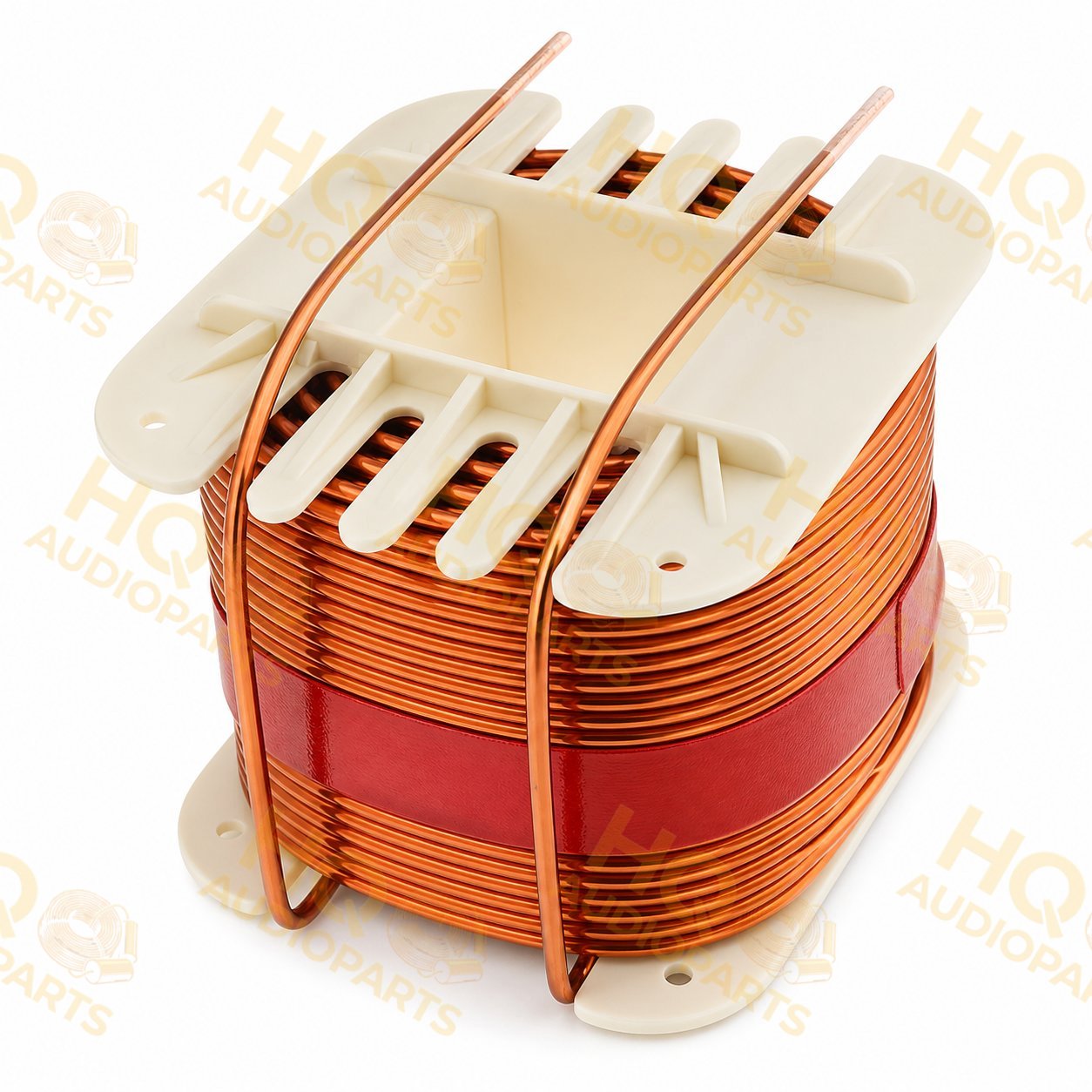
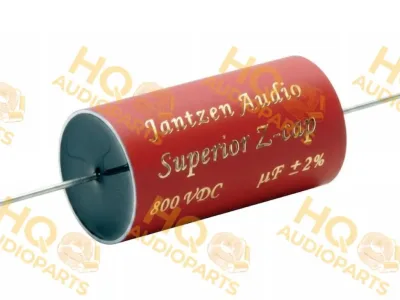
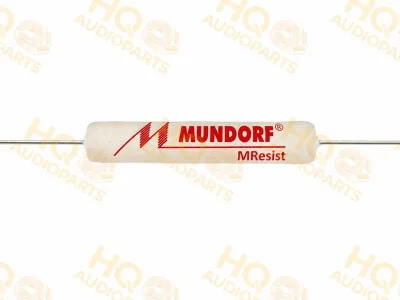
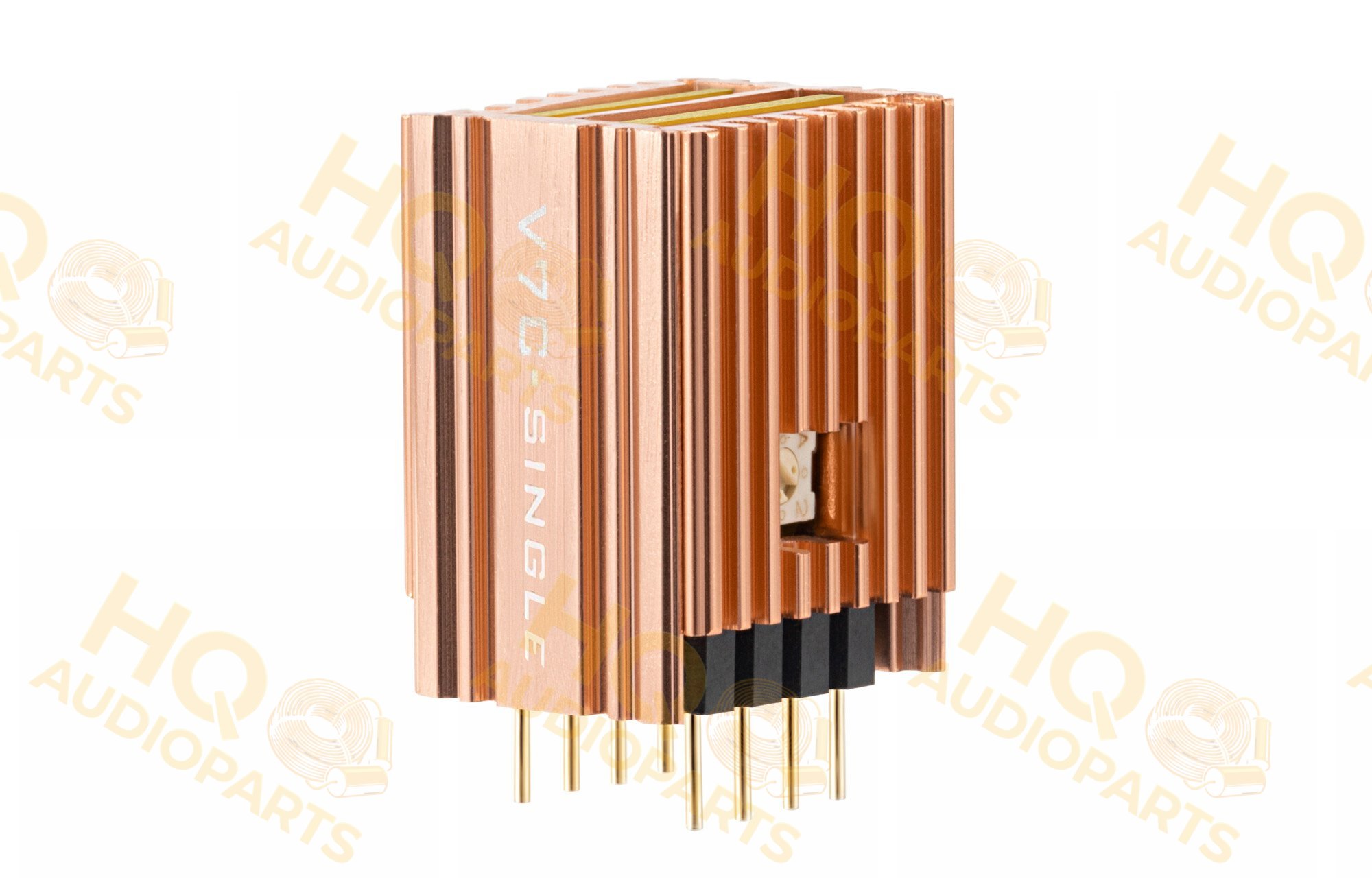
A passive crossover decides which driver gets which part of the spectrum, and where and how steeply the bands hand over to each other. At least half of a well-designed speaker's sound is shaped here, not in the drivers themselves.
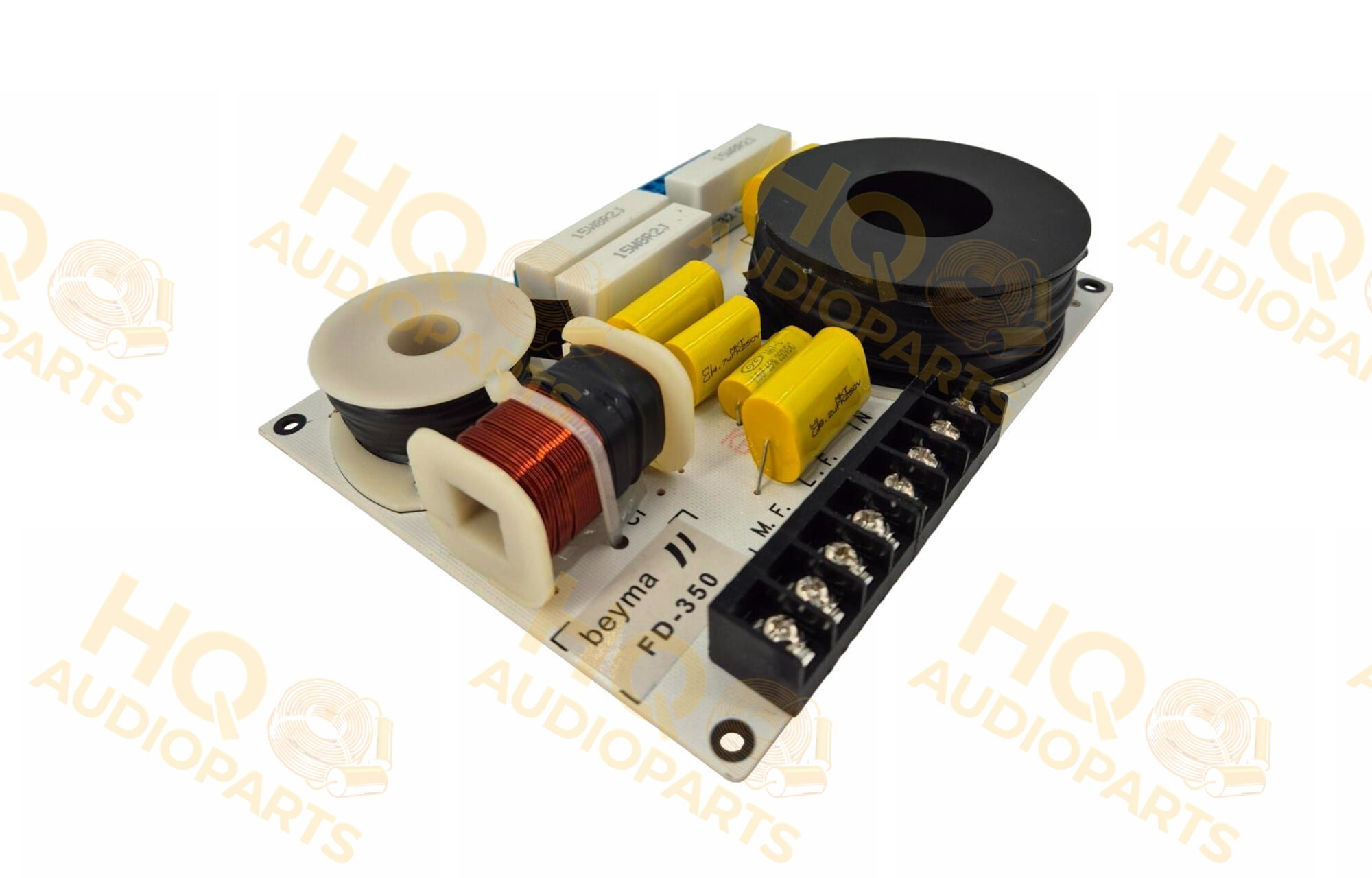
This section holds everything a crossover is built from: inductors, capacitors, resistors, circuit boards, driver protectors and ready-assembled networks. When refurbishing, start with aged electrolytic capacitors; for a new design, start by measuring the values precisely.