


Resistors
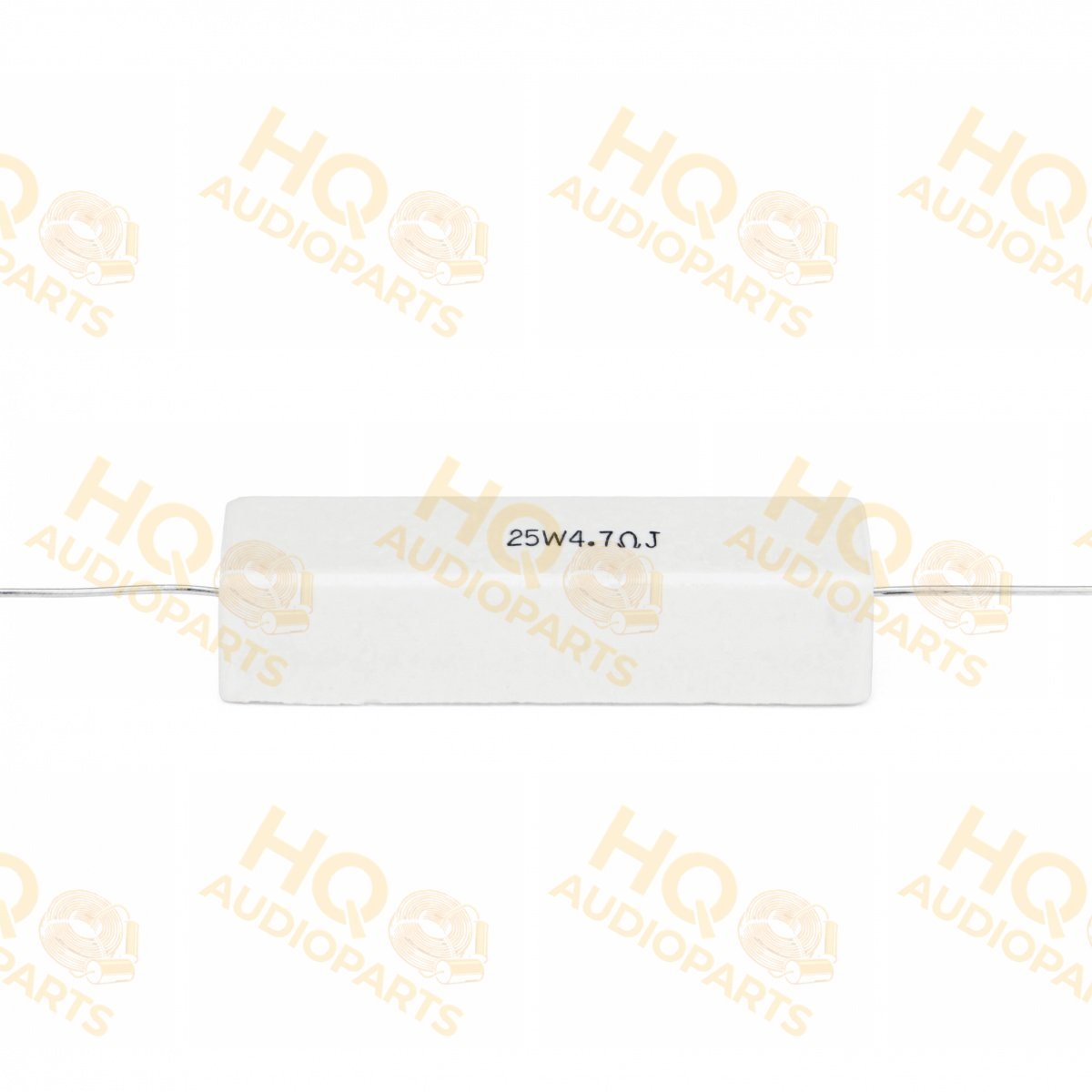
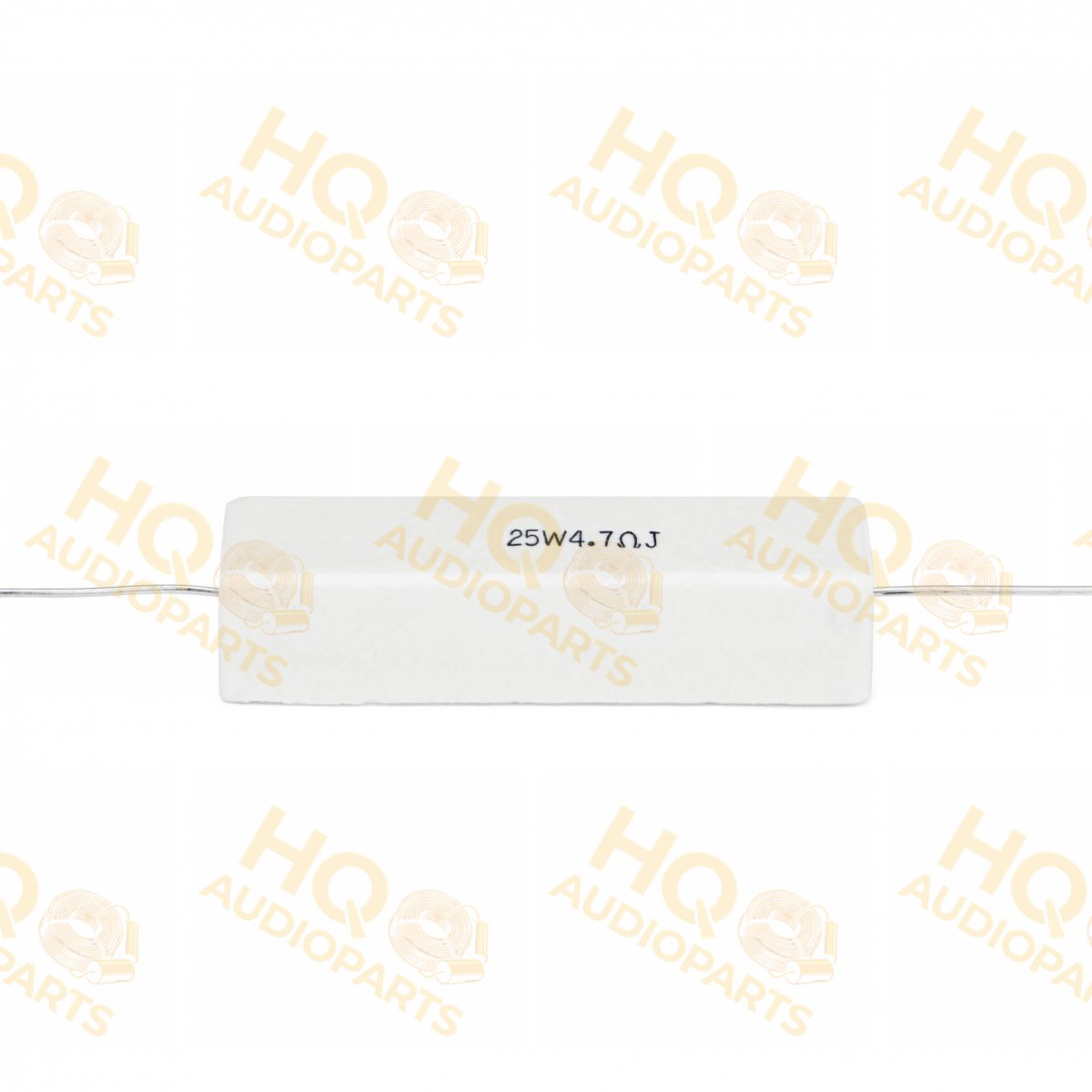
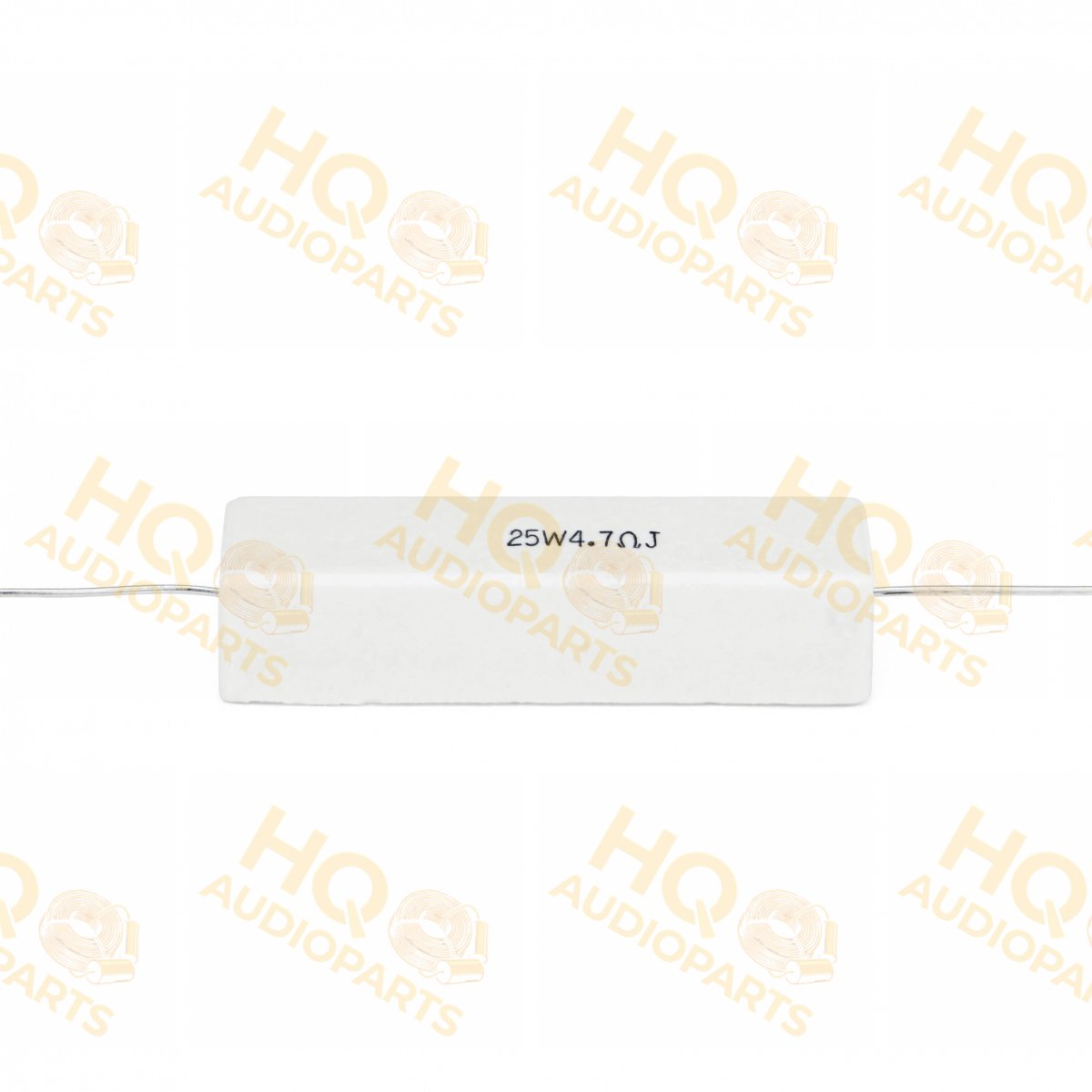
Mundorf
Resistors
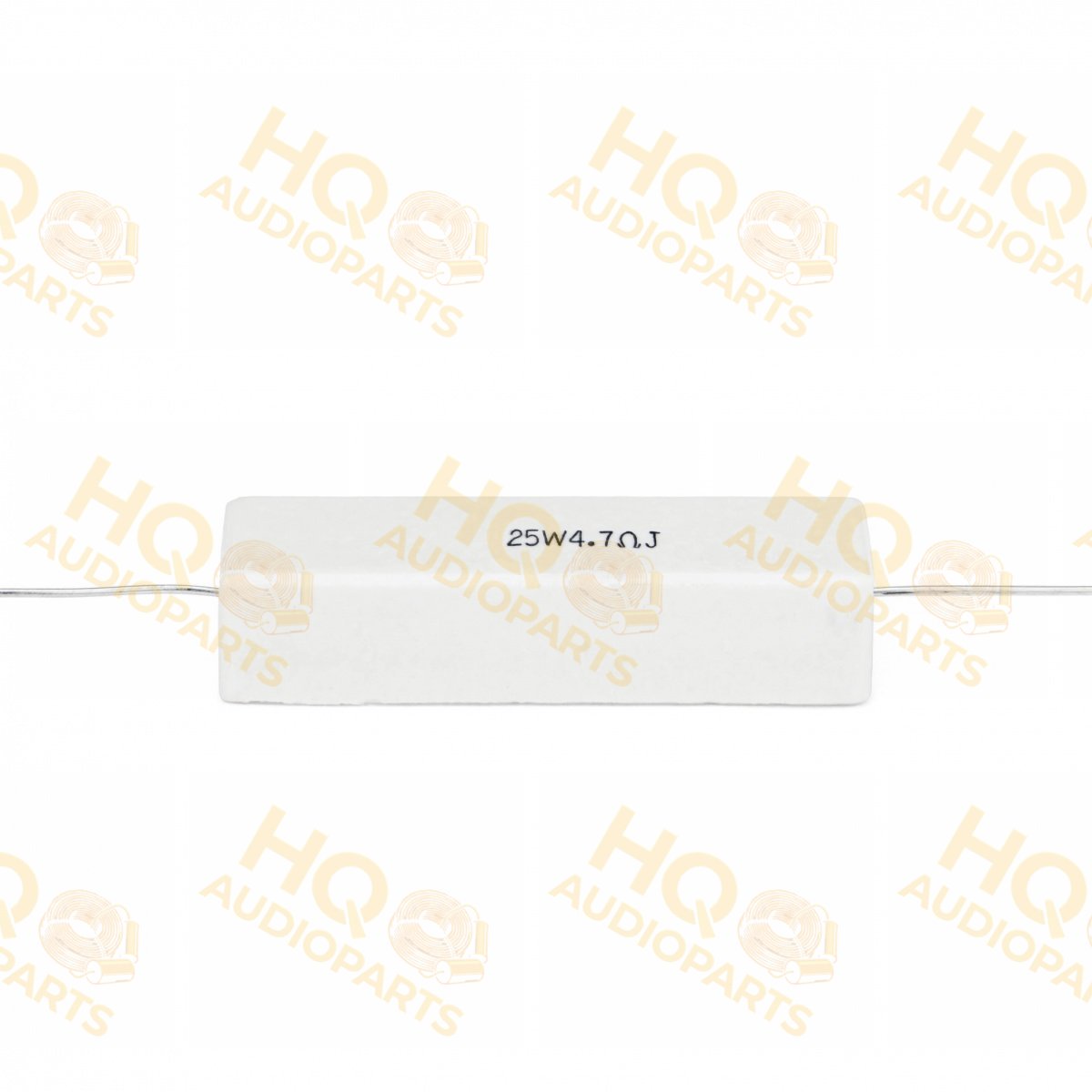
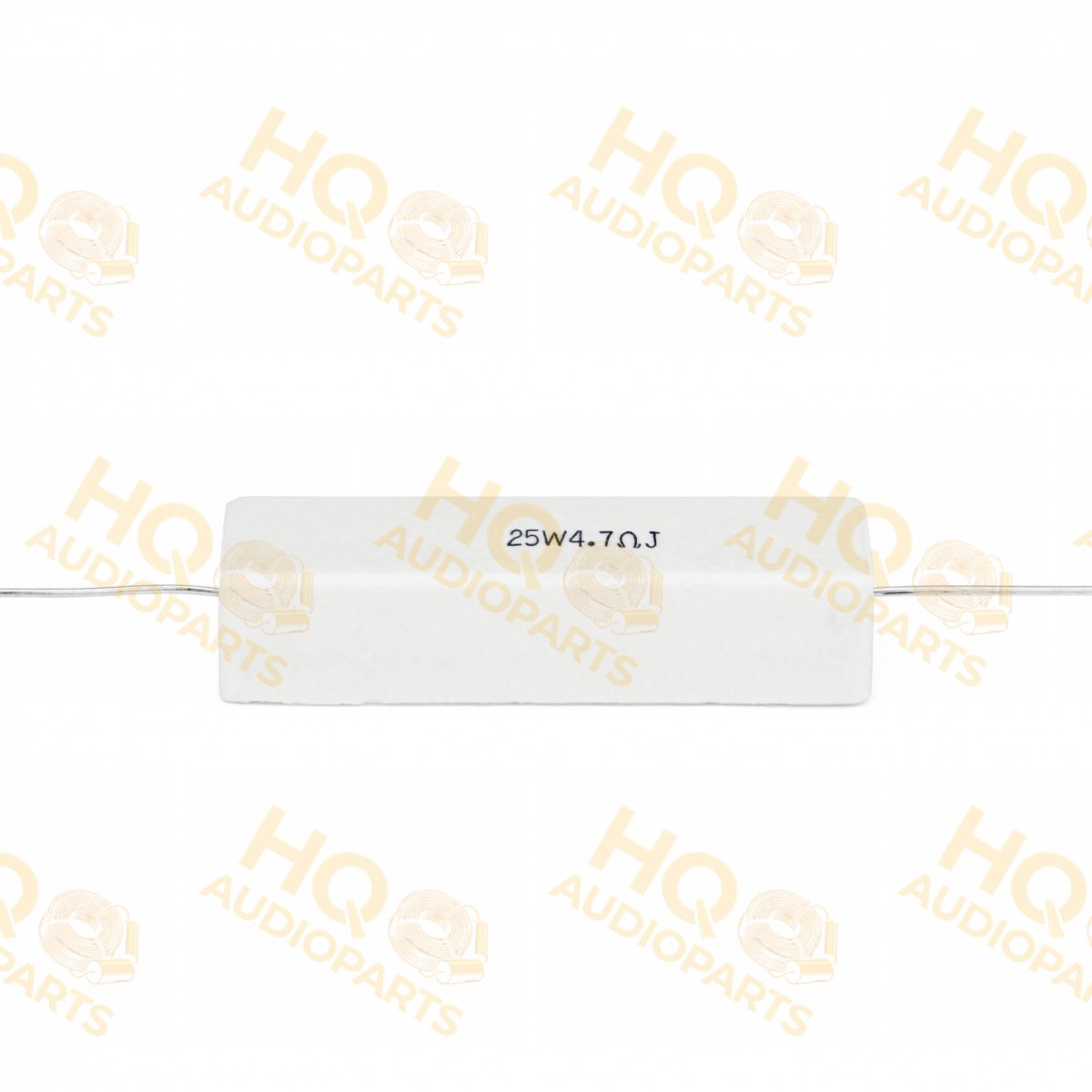
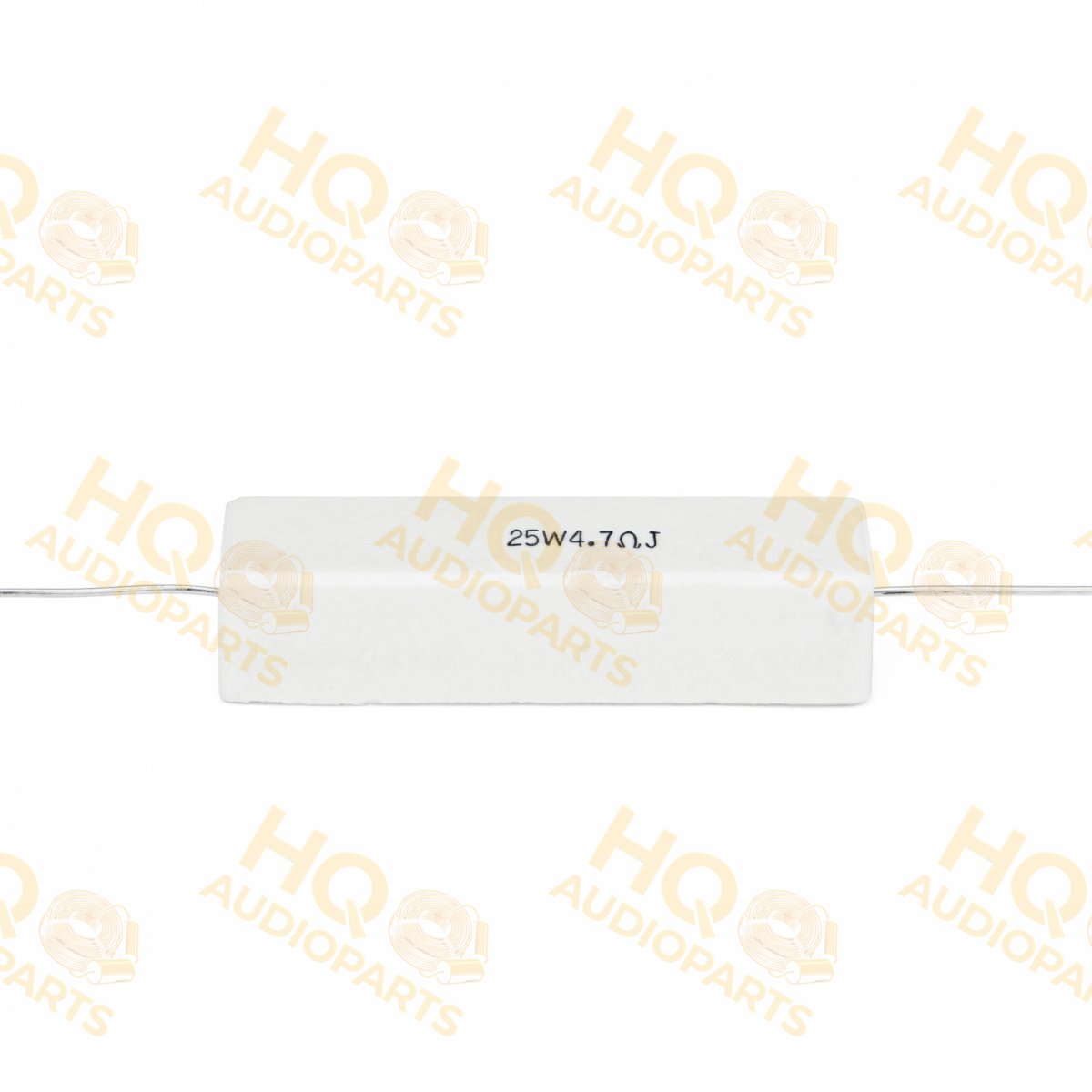
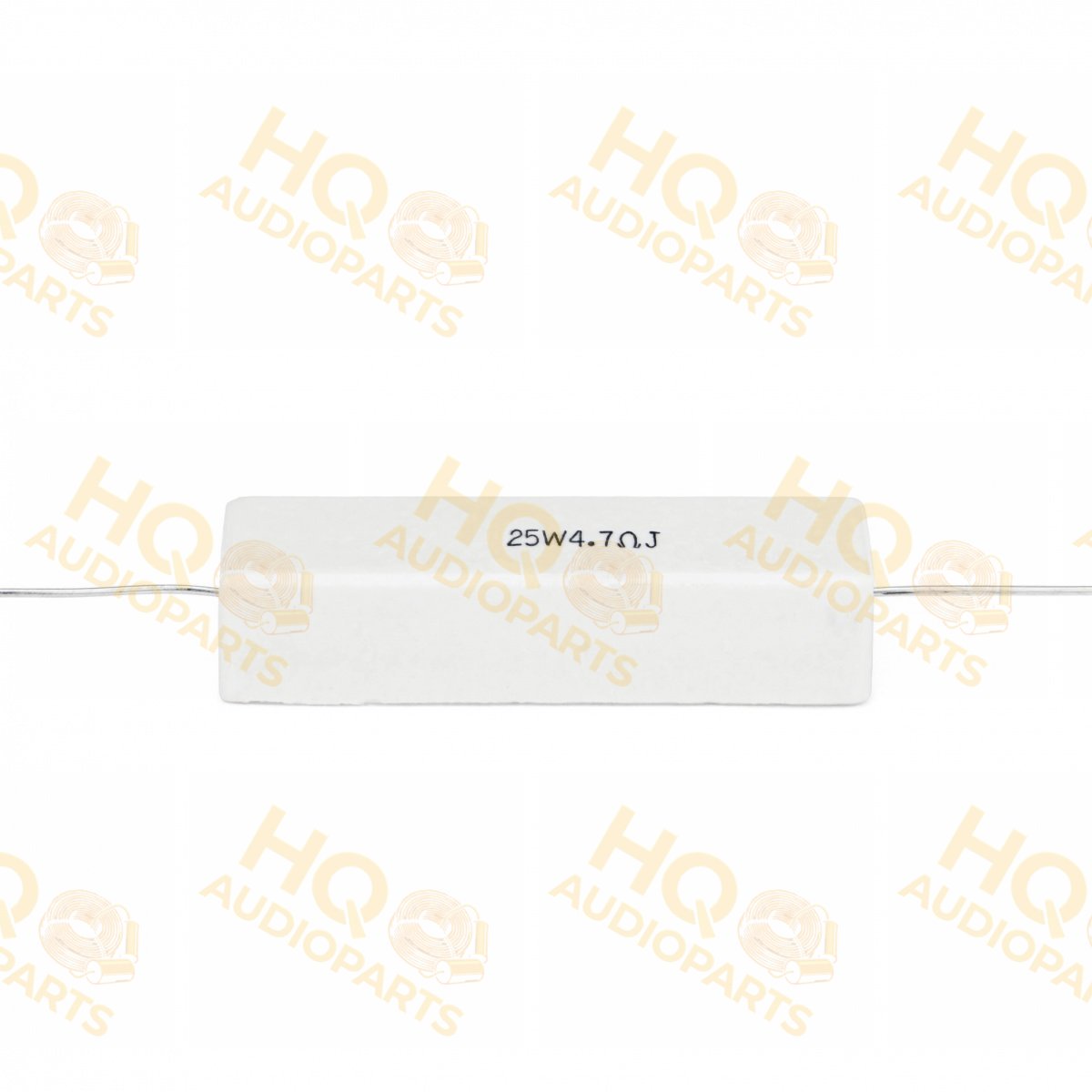
Mundorf R25 4.7 ohm Cement Resistor, 25 W | 4.7 Ω
4.7 Ω
25 W
10+ pcs in stock
Nov 3.
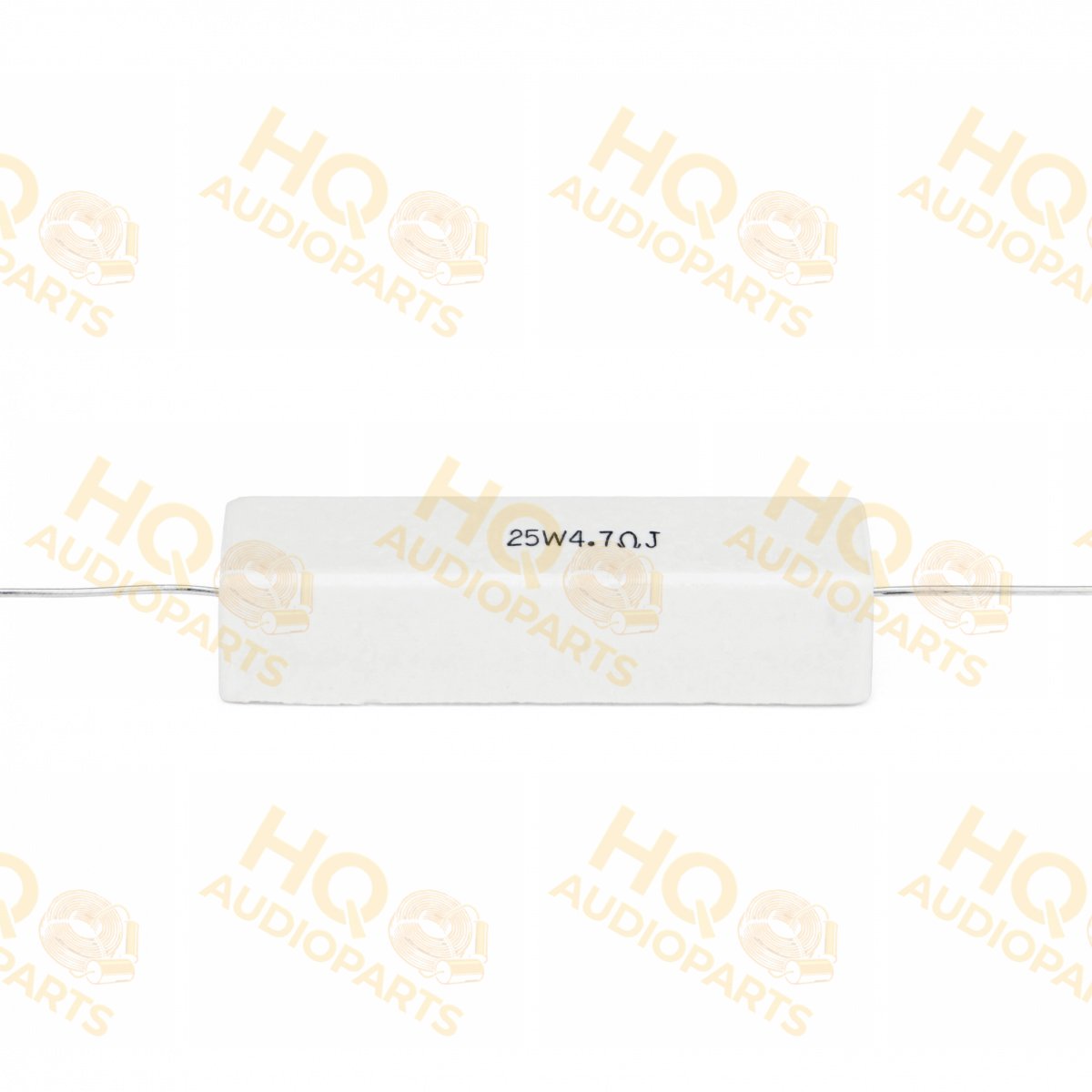
Mundorf
Resistors
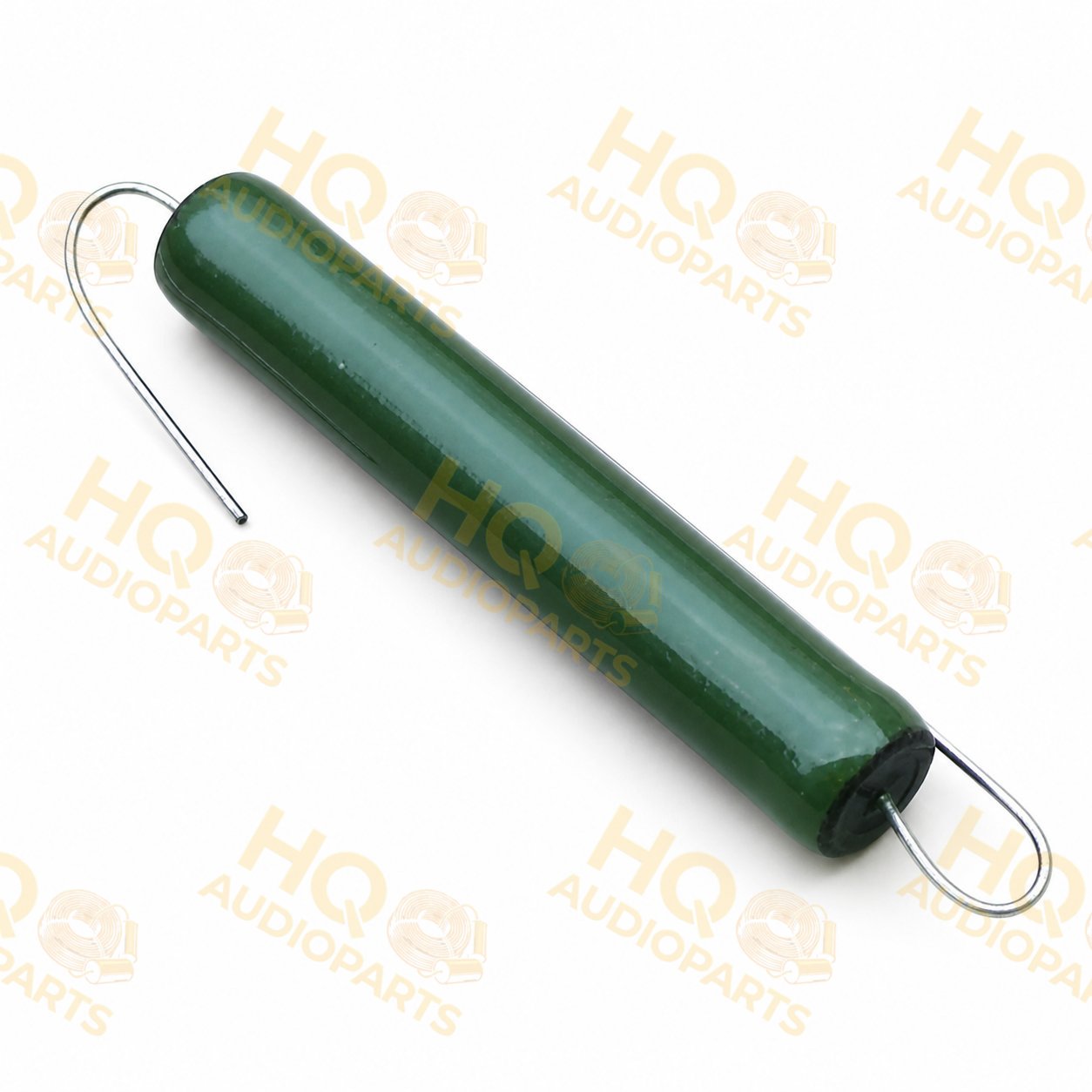
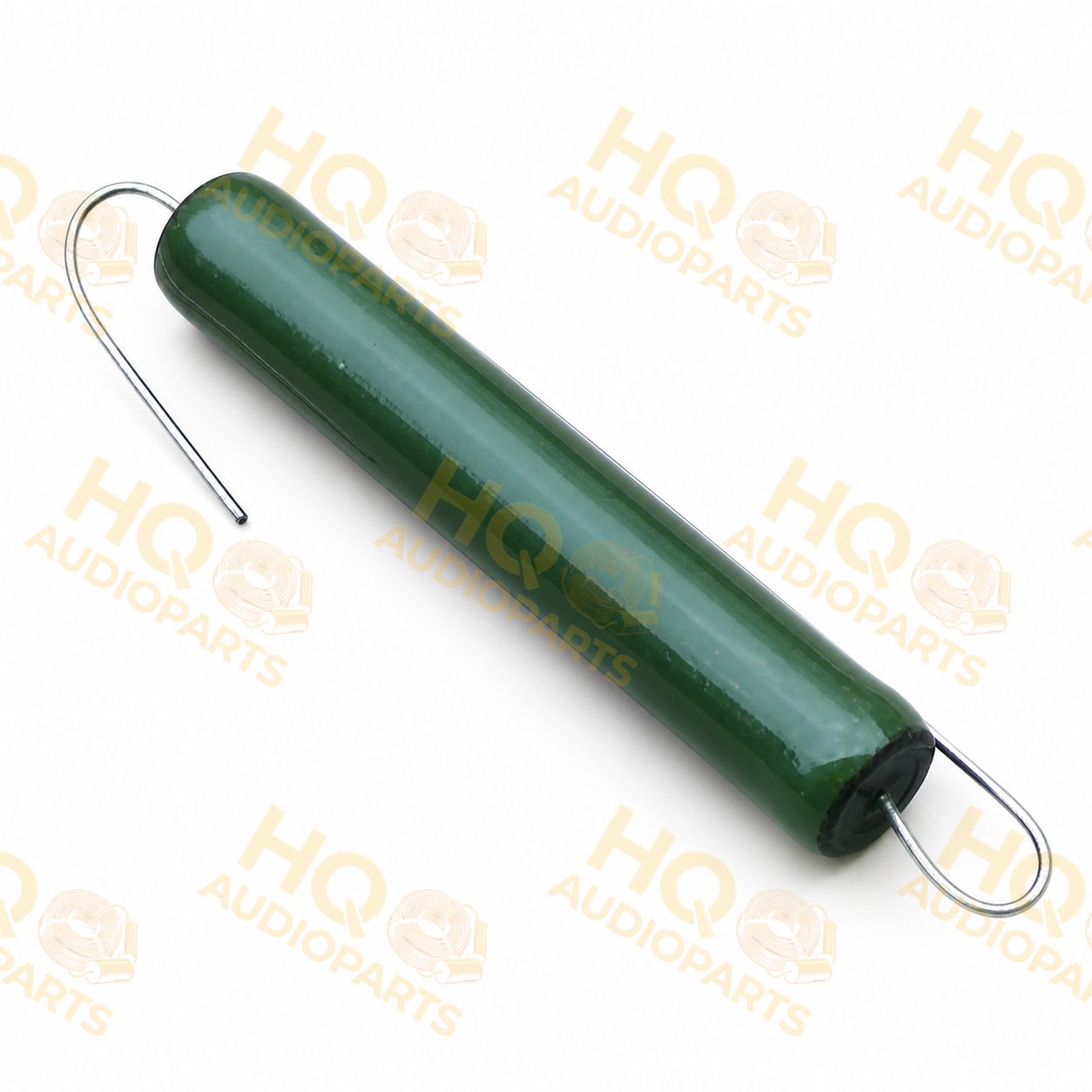
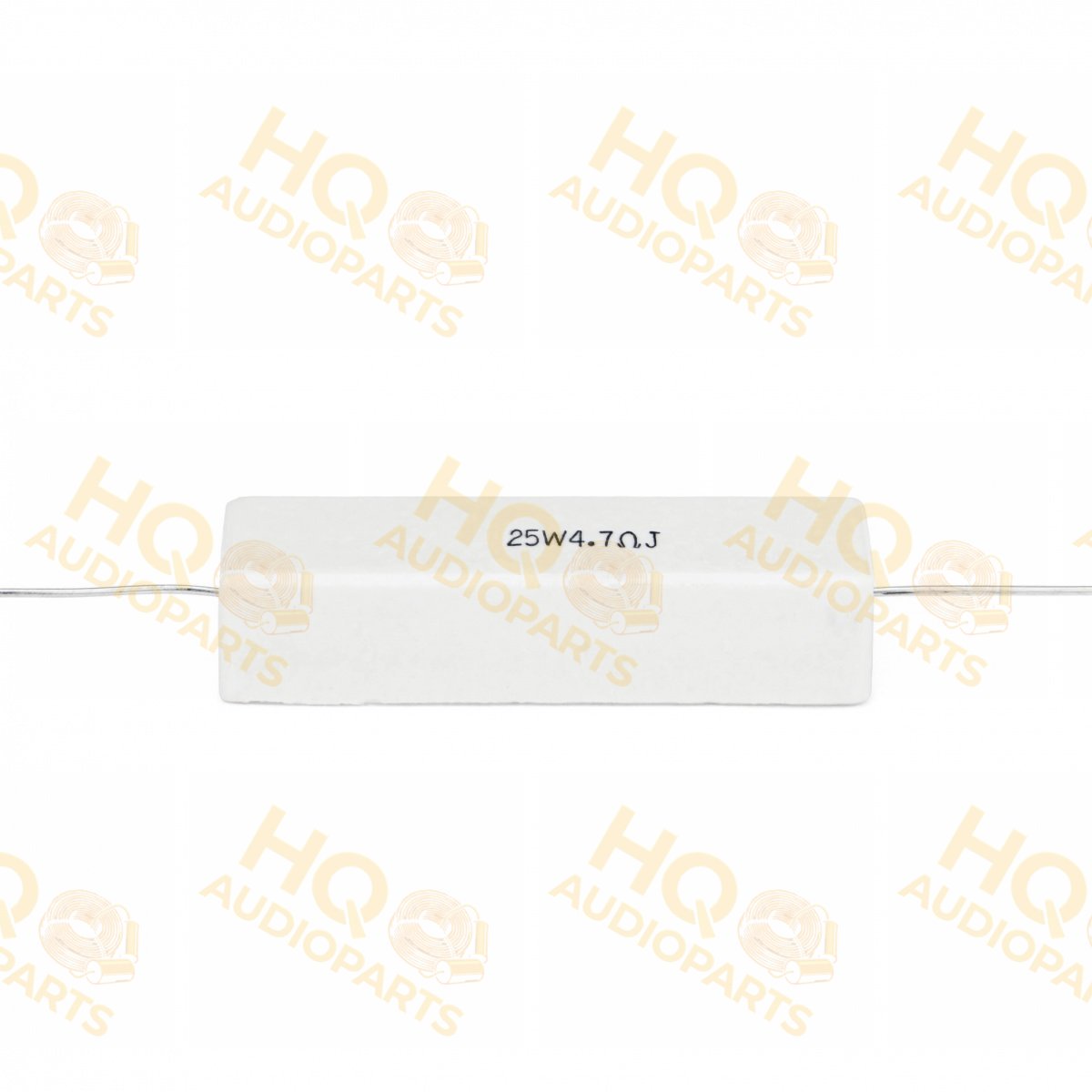
Mundorf R25 1.8 ohm Cement Resistor, 25 W | 1.8 Ω
1.8 Ω
25 W
10+ pcs in stock
Nov 3.
Mundorf
Resistors
Mundorf R25 6.8 ohm Cement Resistor, 25 W | 6.8 Ω
6.8 Ω
25 W
10+ pcs in stock
Nov 3.
Mundorf
Resistors
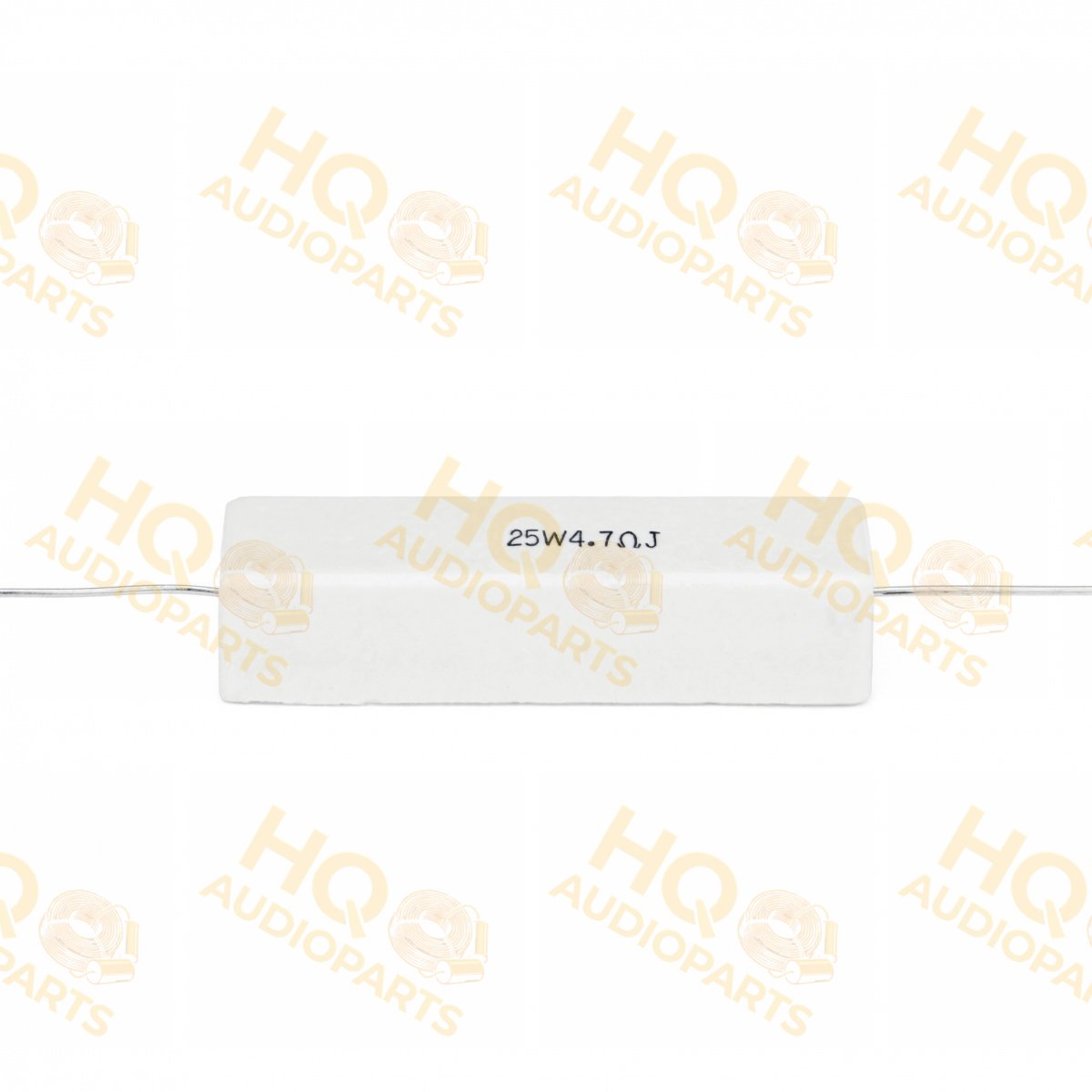
Mundorf R25 2.7 ohm Cement Resistor, 25 W | 2.7 Ω
2.7 Ω
25 W
10+ pcs in stock
Nov 3.
Mundorf
Resistors
Mundorf R25 1.5 ohm Cement Resistor, 25 W | 1.5 Ω
1.5 Ω
25 W
10+ pcs in stock
Nov 3.
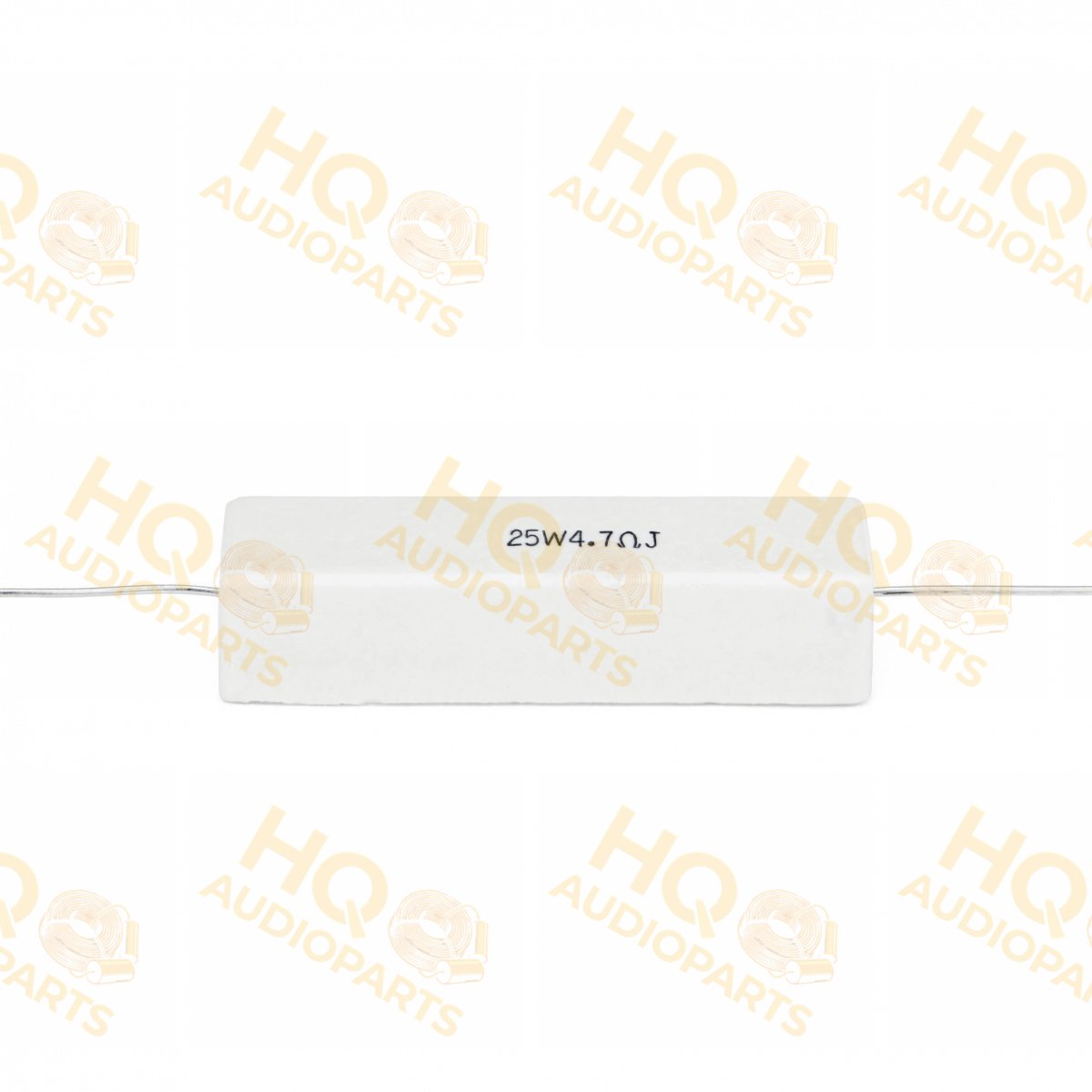
Mundorf
Resistors
Mundorf R25 3.9 ohm Cement Resistor, 25 W | 3.9 Ω
3.9 Ω
25 W
10+ pcs in stock
Nov 3.
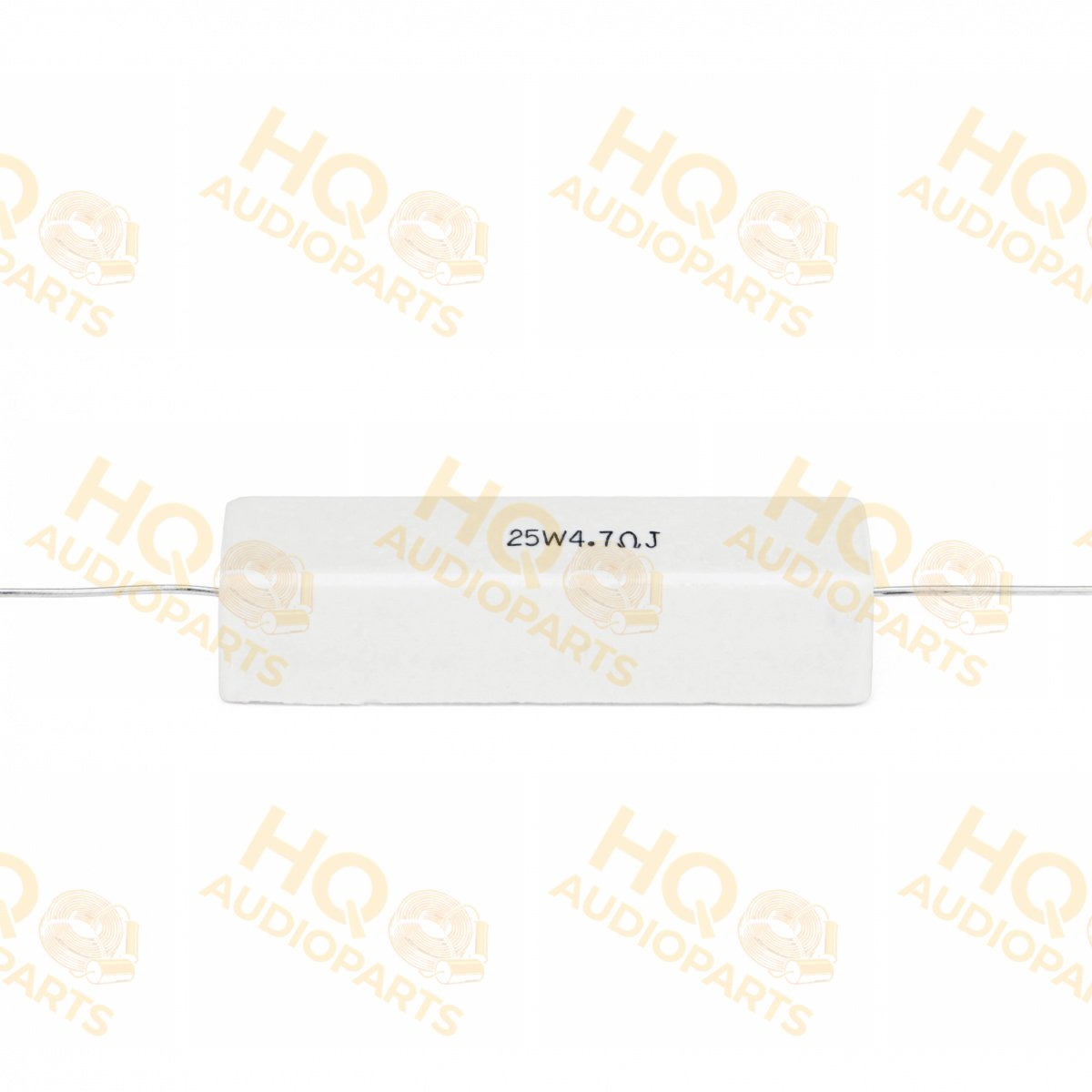
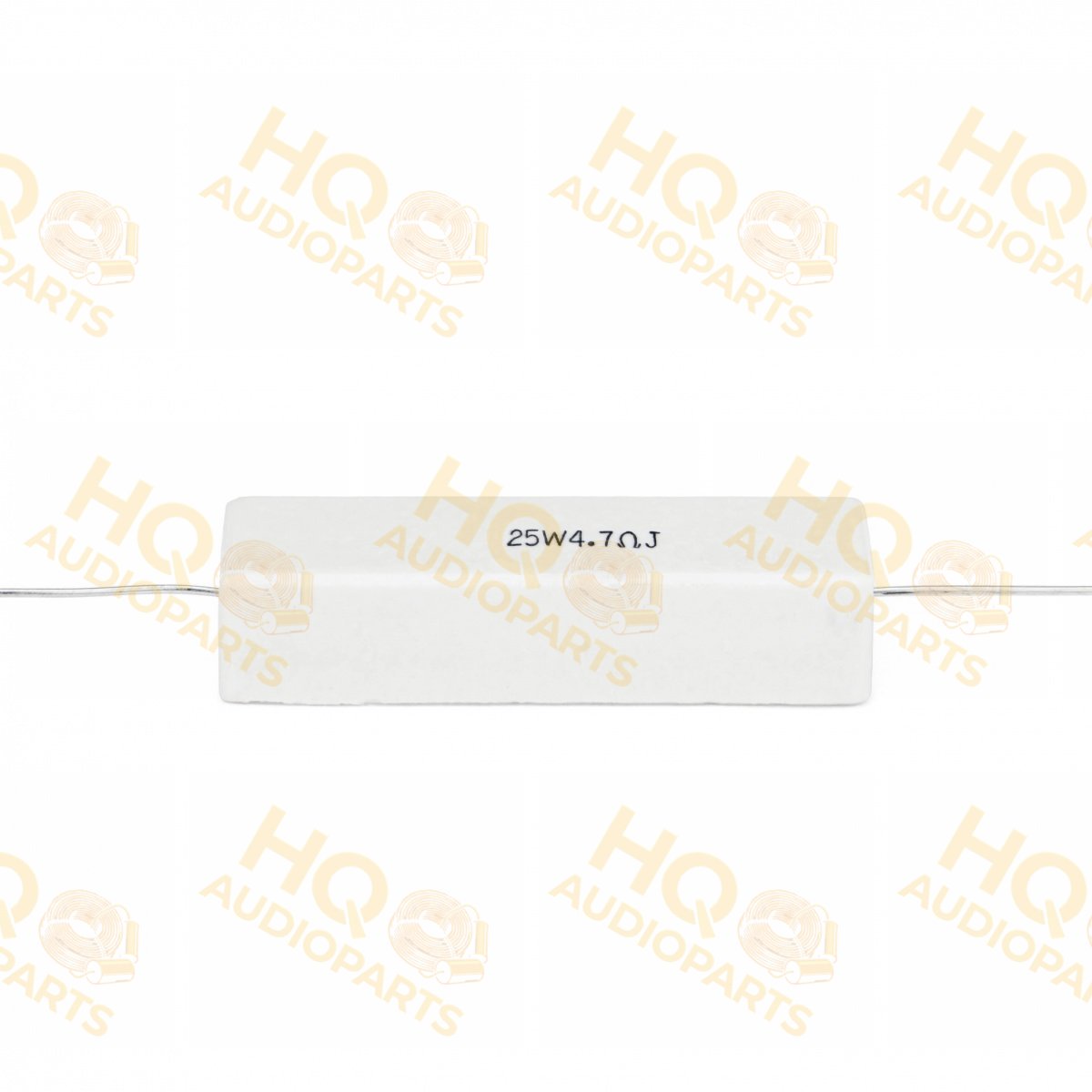
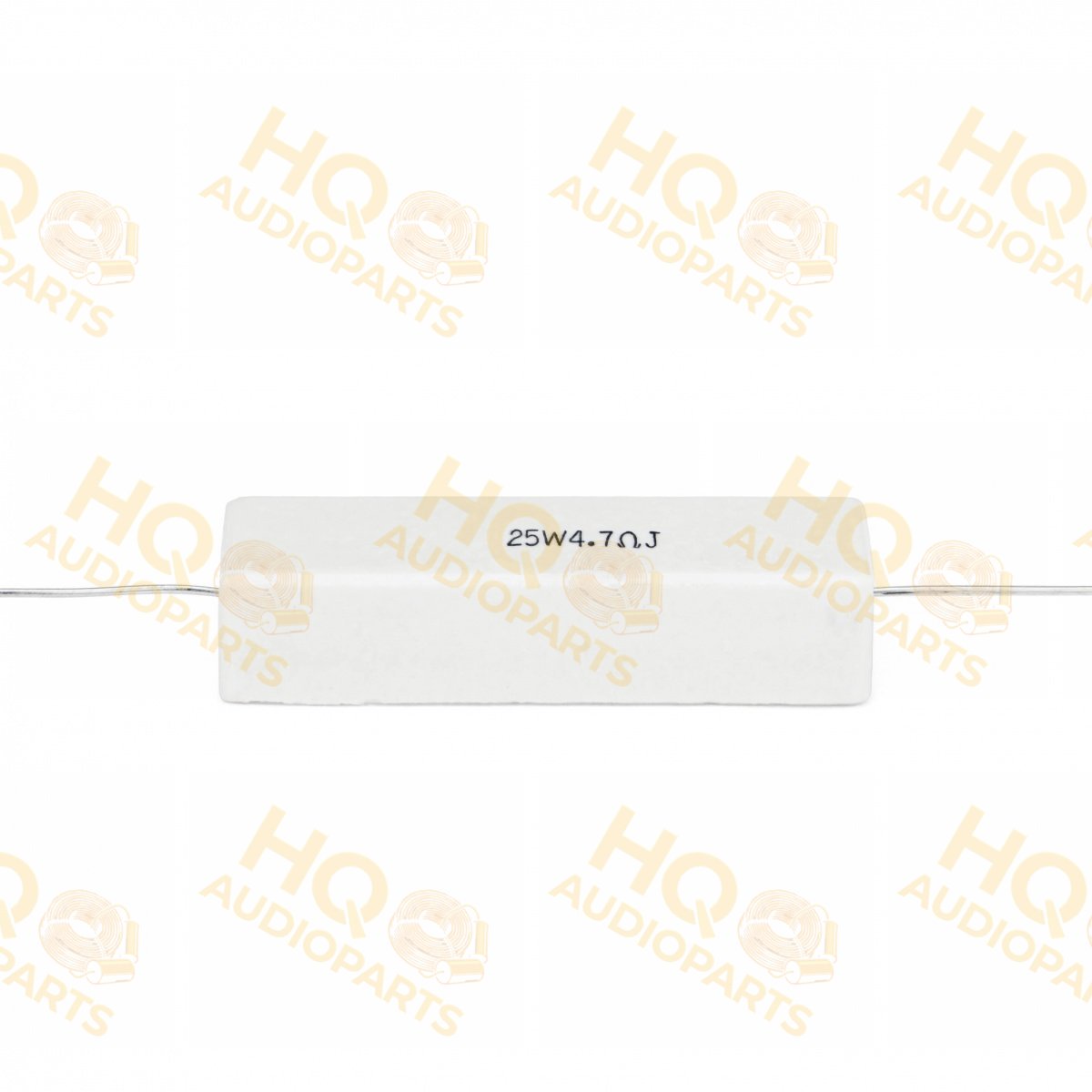
Mundorf
Resistors
Mundorf R25 5.6 ohm Cement Resistor, 25 W | 5.6 Ω
5.6 Ω
25 W
10+ pcs in stock
Nov 3.
Mundorf
Resistors
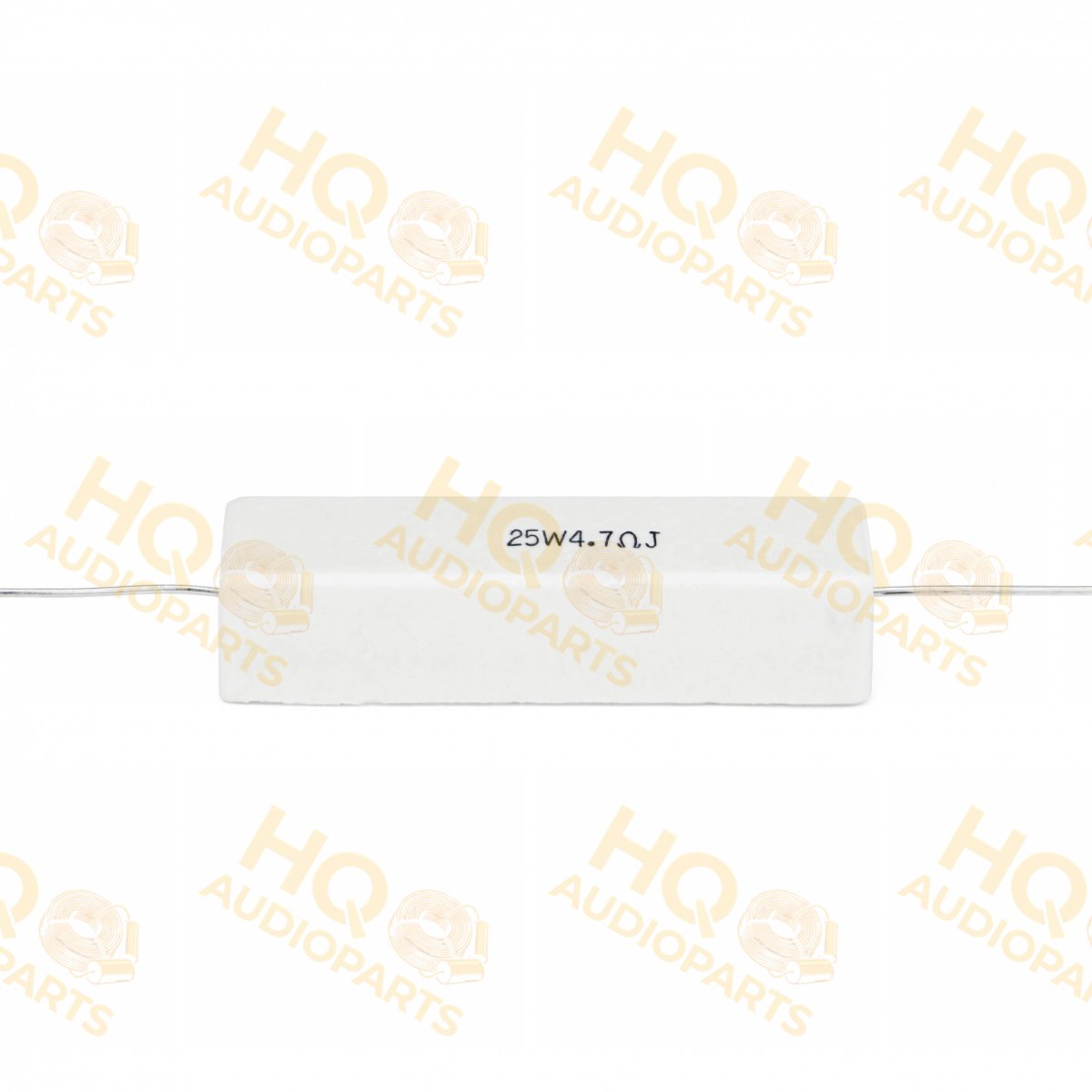
Mundorf R25 2.2 ohm Cement Resistor, 25 W | 2.2 Ω
2.2 Ω
25 W
10+ pcs in stock
Nov 3.
Mundorf
Resistors
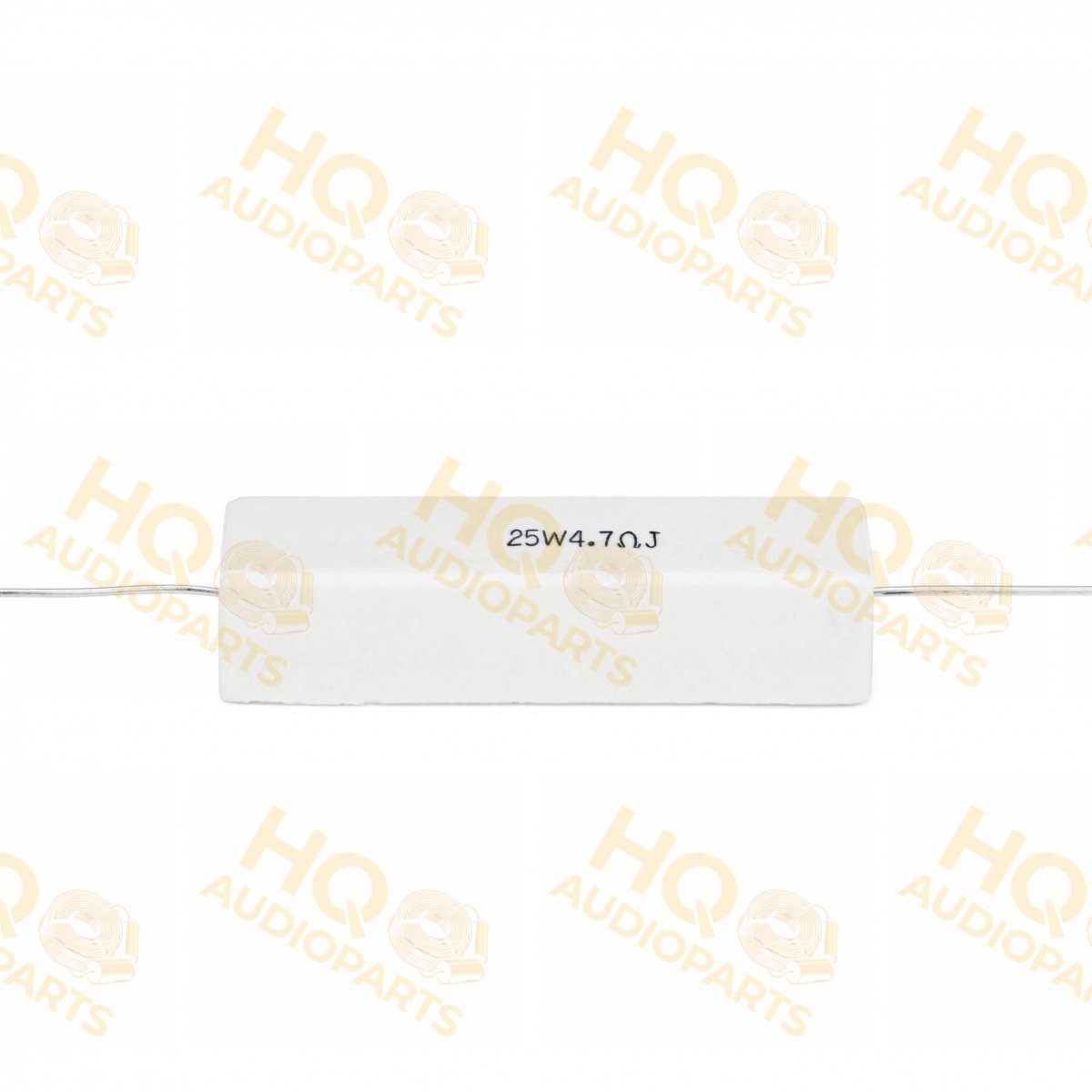
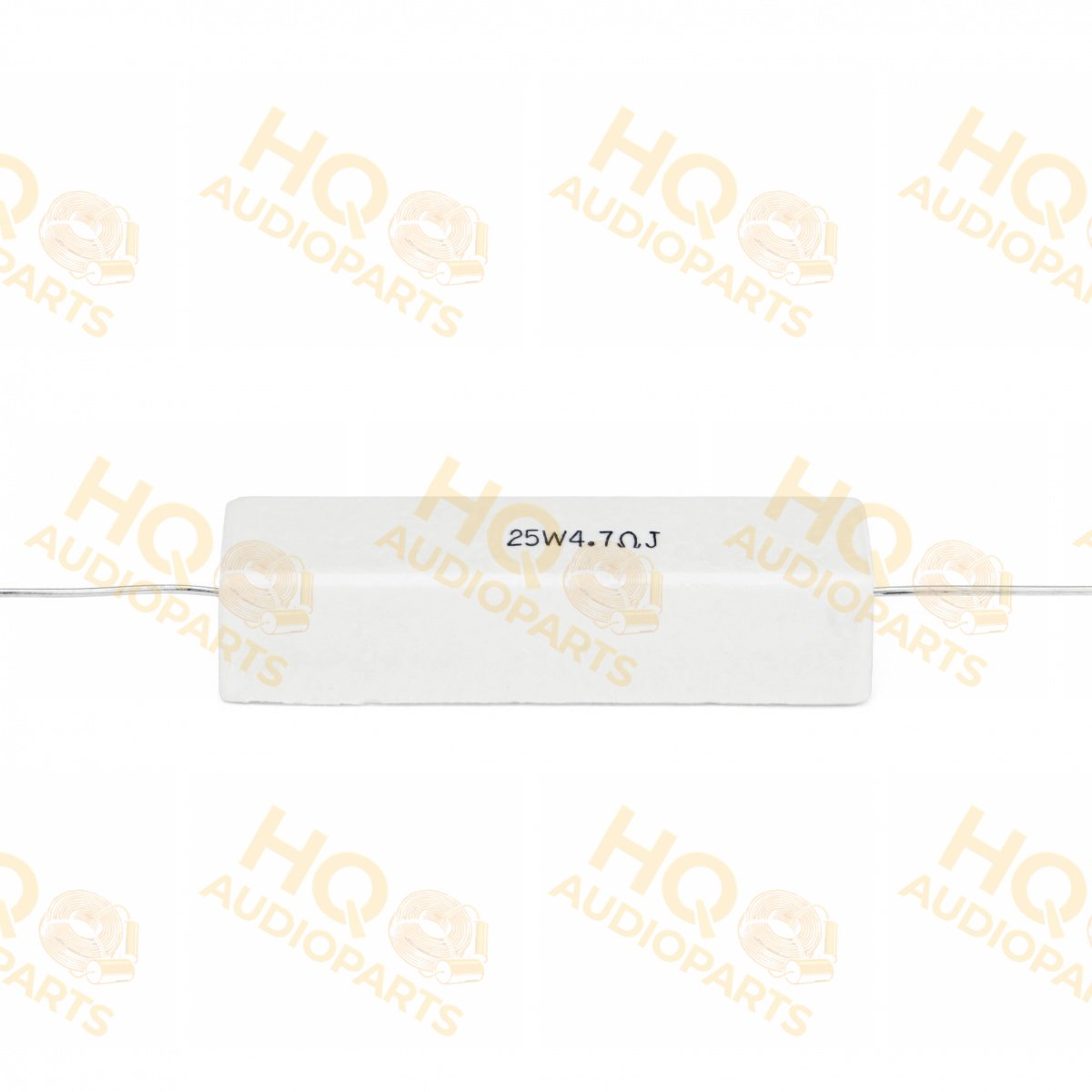
Mundorf R25 8.2 ohm Cement Resistor, 25 W | 8.2 Ω
8.2 Ω
25 W
10+ pcs in stock
Nov 3.
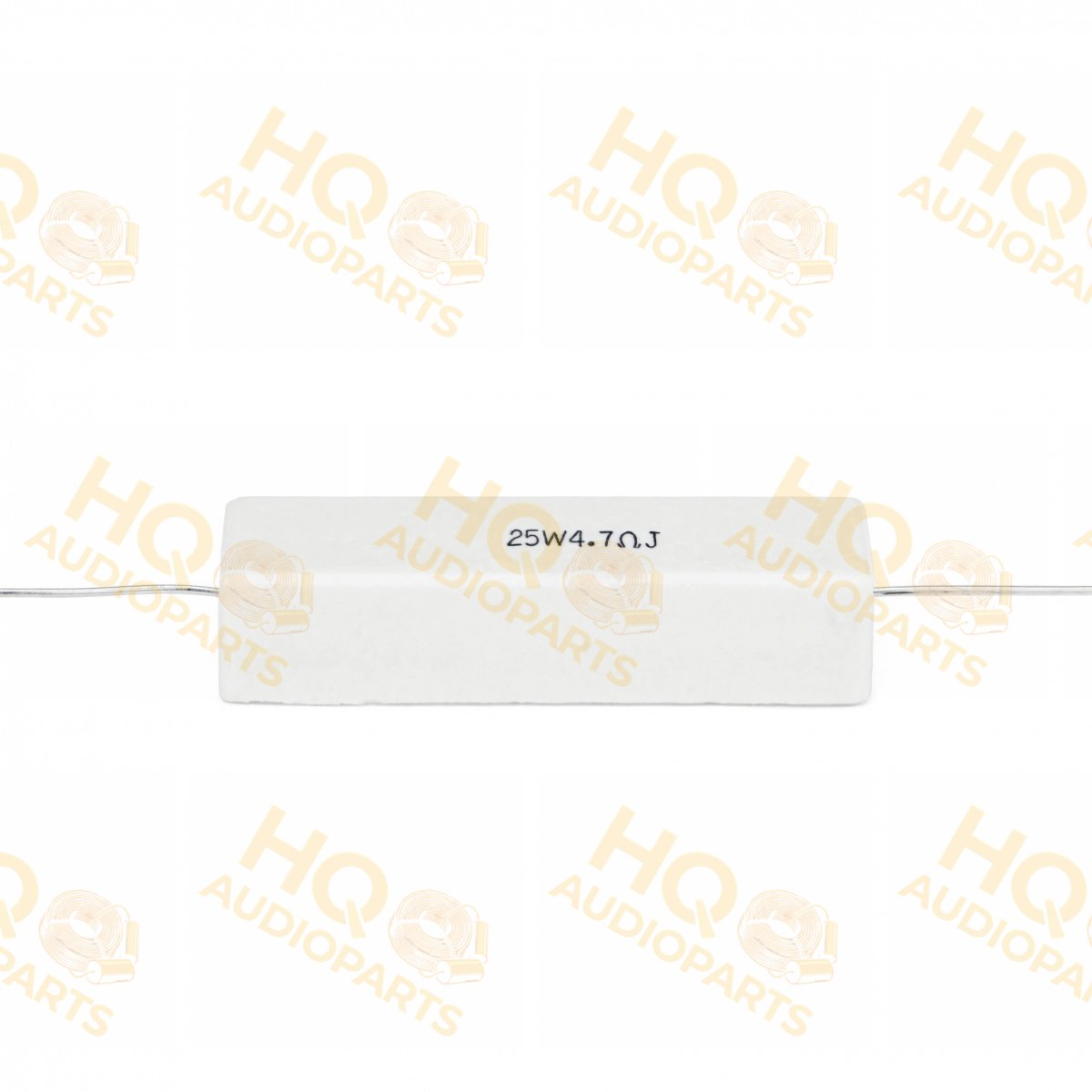
Mundorf
Resistors
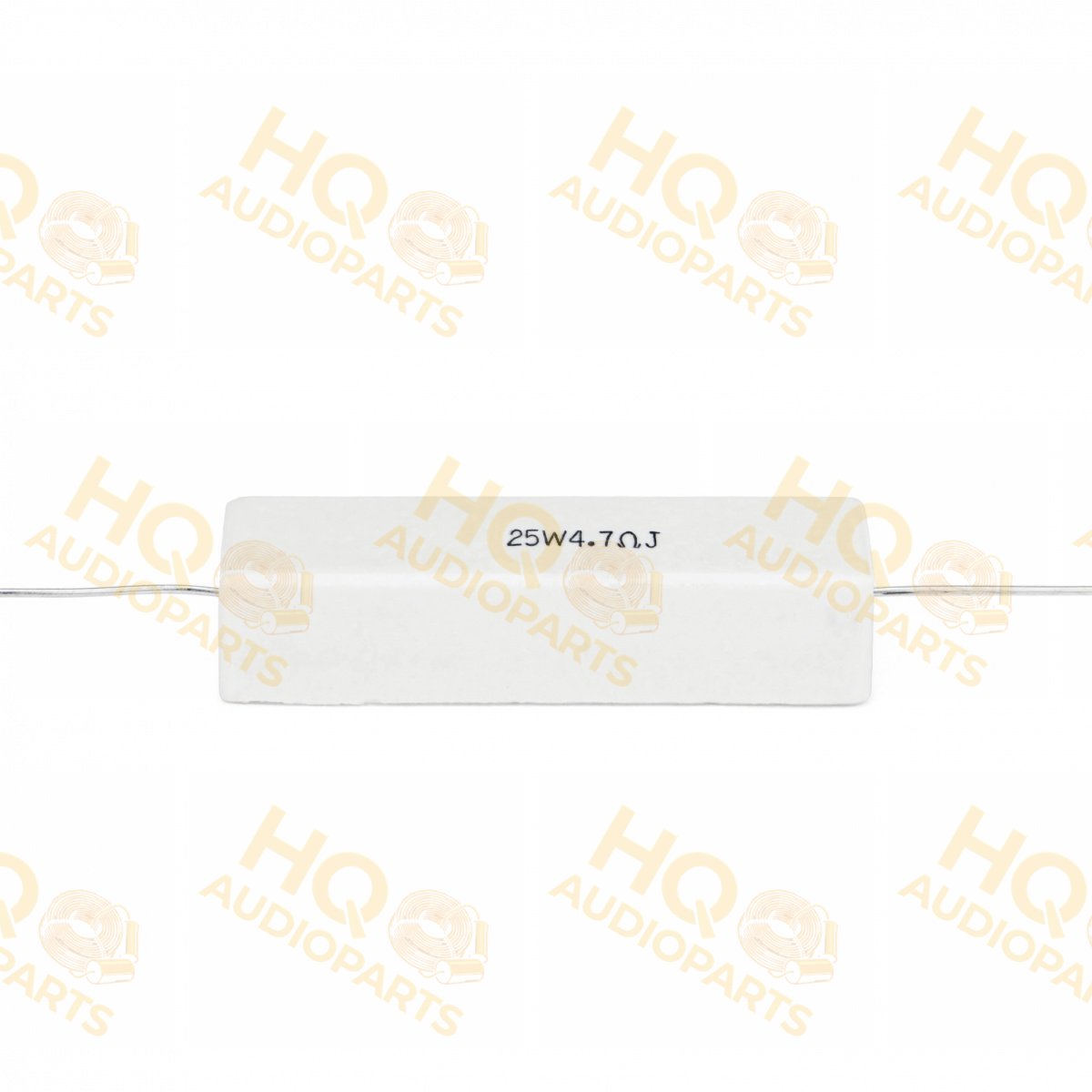
Mundorf R25 3.3 ohm Cement Resistor, 25 W | 3.3 Ω
3.3 Ω
25 W
10+ pcs in stock
Nov 3.
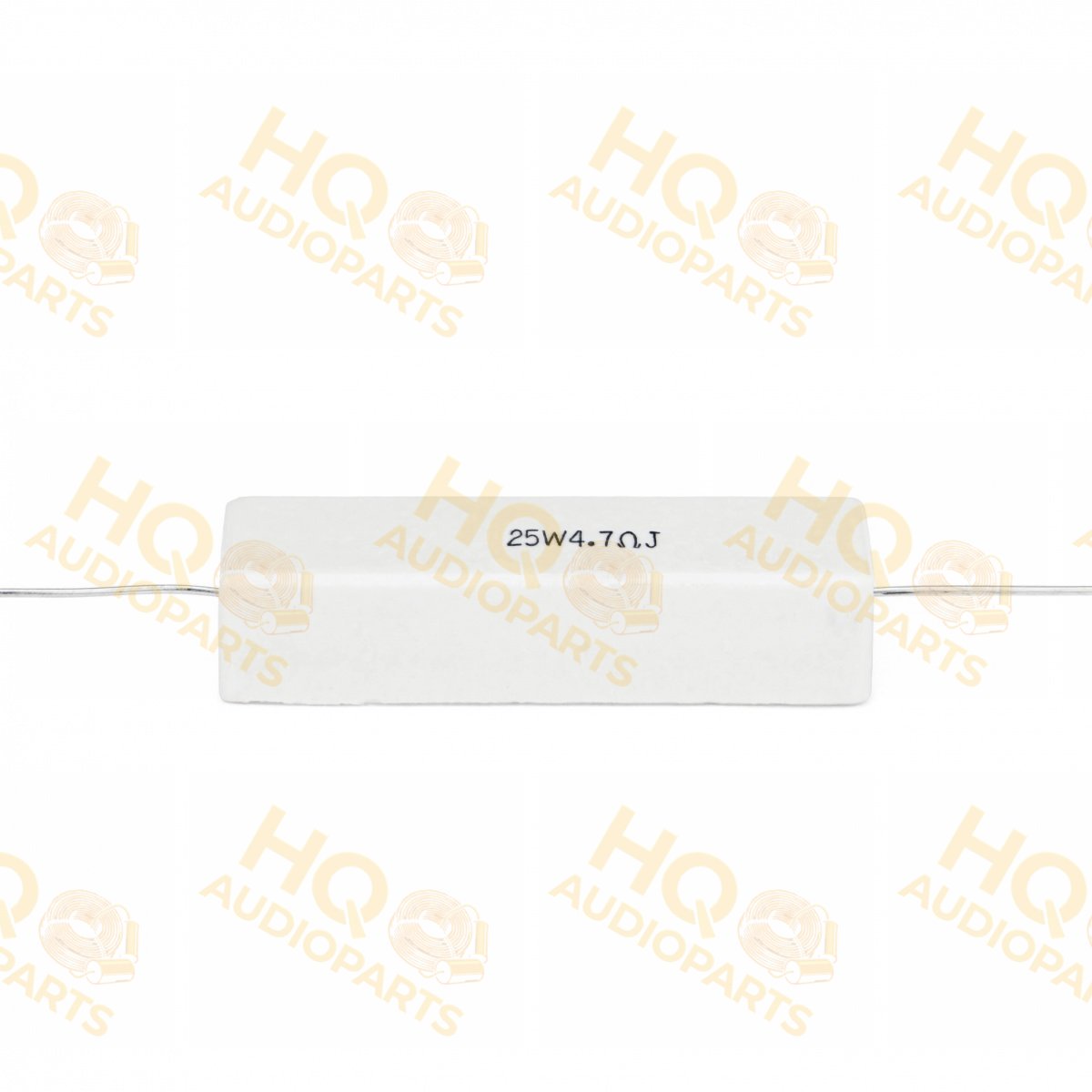
Mundorf
Resistors
Mundorf R25 1.2 ohm Cement Resistor, 25 W | 1.2 Ω
1.2 Ω
25 W
10+ pcs in stock
Nov 3.
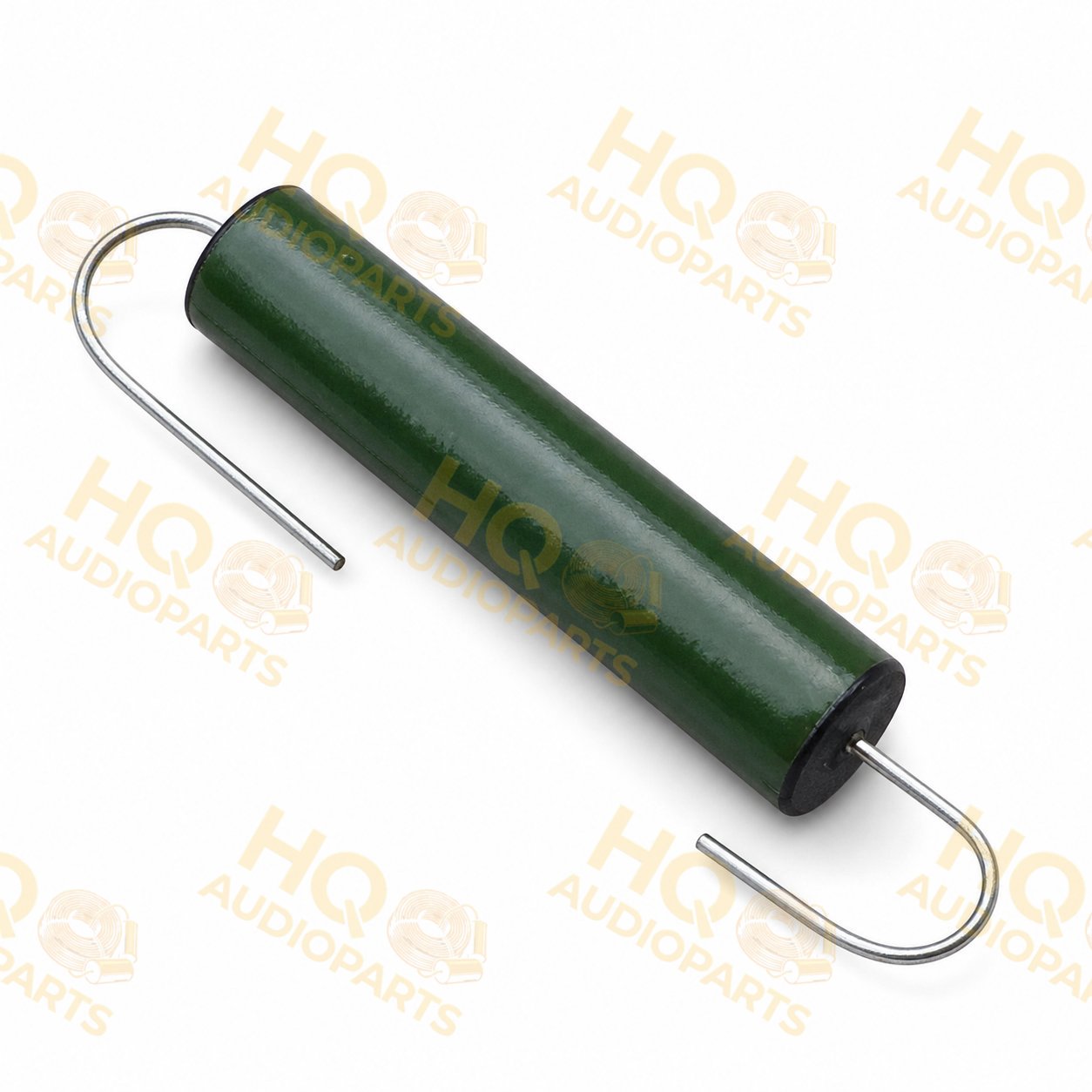
SETA
Resistors
SETA RWS 845 / RB 58 / RW 68 - 2.7 Resistor, 16 W | 2.7 Ω
2.7 Ω
16 W
4 pieces in stock
Nov 3.
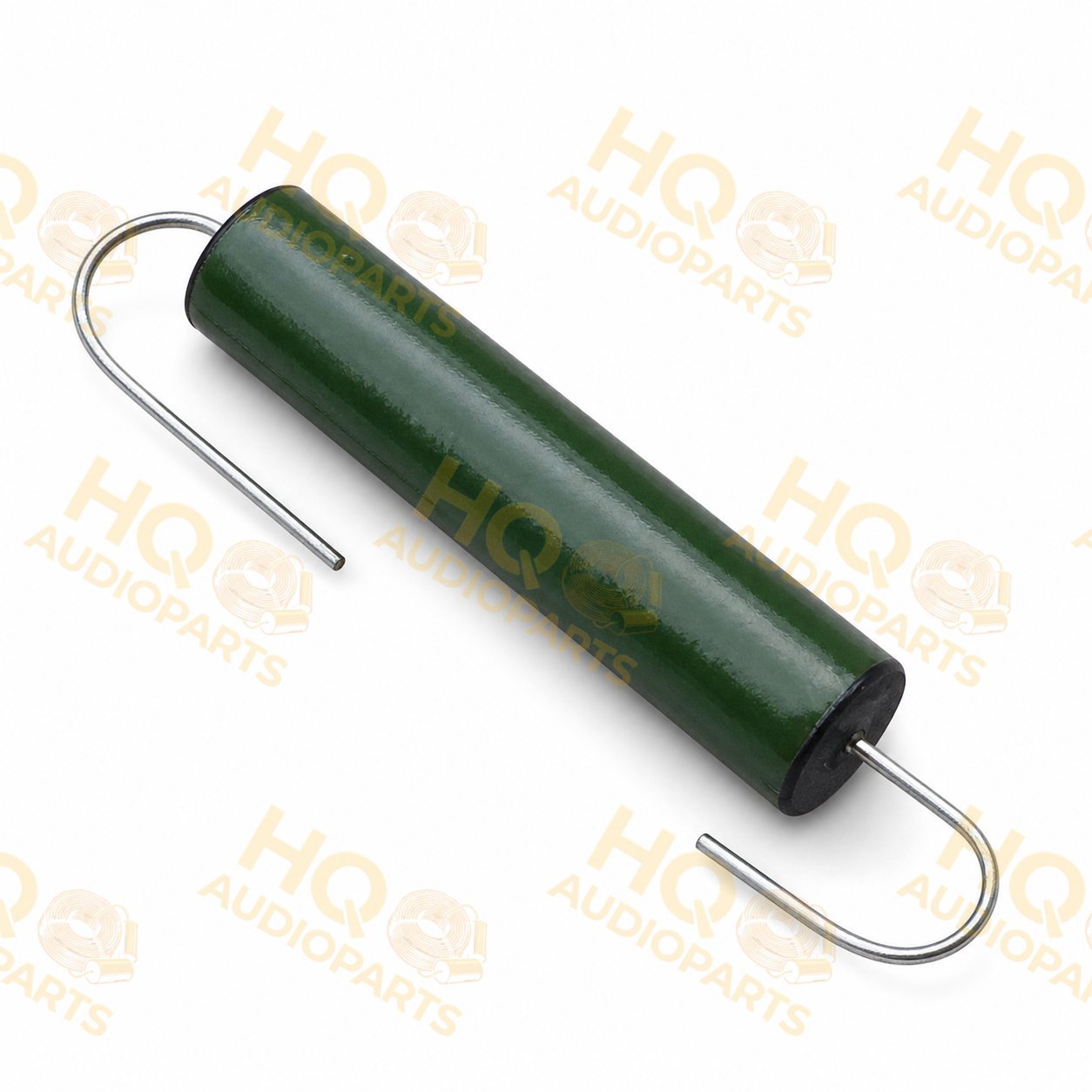
SETA
Resistors
SETA RWS 845 / RB 58 / RW 68 - 3.3 Resistor, 16 W | 3.3 Ω
3.3 Ω
16 W
1 piece in stock
Nov 3.
Read more: Resistors
Driver sensitivities rarely match: a tweeter is often 3–6 dB louder than the mid-woofer it is paired with. An L-pad built from resistors attenuates that difference, while a Zobel network uses them to compensate for the rising impedance of a voice coil.
Wirewound resistors are affordable and robust but carry a little inductance; metal film and graphite types are non-inductive and therefore preferred in the treble path. Size the power rating generously: resistors below 10 W rarely belong in a passive crossover.